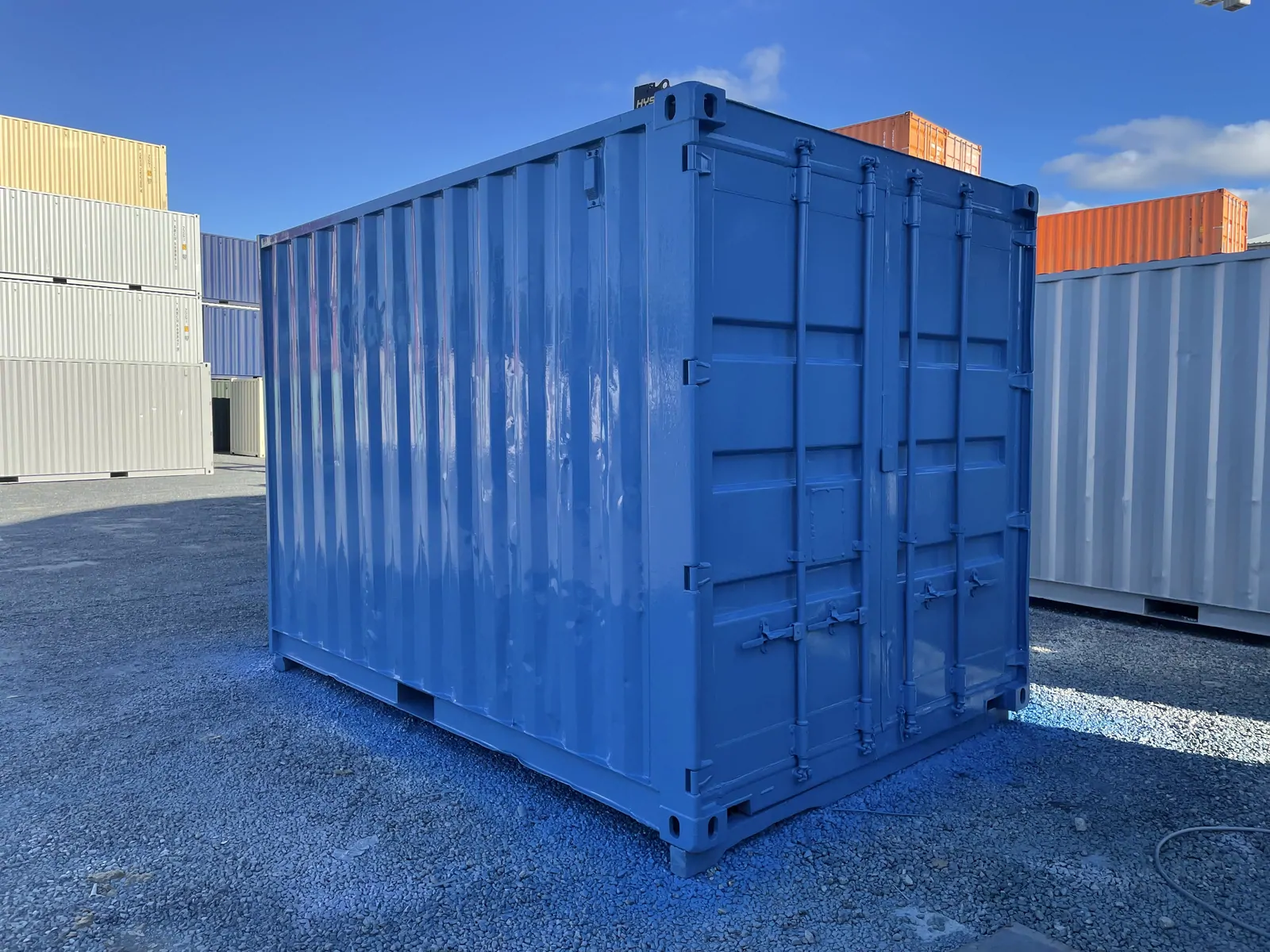
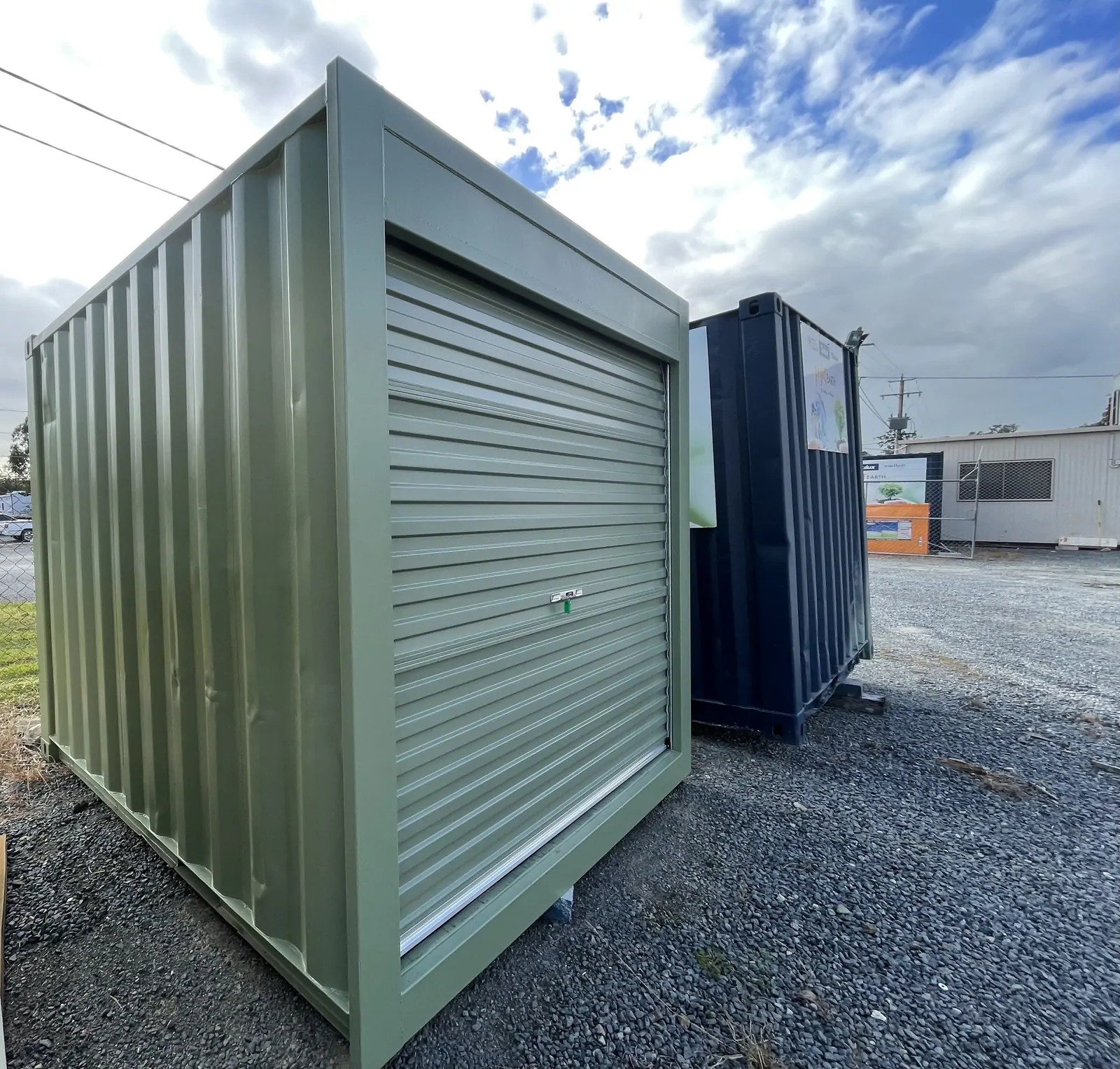
 10ft
10ft10ft Shipping Containers
The side passage is narrow, the council setback leaves you nothing to play with, or all you need is somewhere lockable for a mower, a compressor and a rack of tools.
Used from$4,350
New from$6,400
Ballina, NSW
Ballina is two pieces of country ten minutes apart. Up on the plateau there is deep red basalt soil, macadamias and avocados, and generally enough room to put a 40ft wherever you want it. Down on the flat at the river mouth there is old estuary ground, a water table you could nearly reach with a shovel, and blocks where the only way in is over the fence.
The short version, before the detail.
Around Ballina we deliver containers for harvest and irrigation gear stored between seasons on the plateau orchards, nets, fittings and pump spares out of the weather, boats, boards and dive gear at Lennox Head and East Ballina, trade storage on the industrial land around Southern Cross Drive and Russellton, stock and equipment for the cafes, charters and tourism operators along the river, and household storage while a beach cottage gets knocked down and rebuilt into something twice the size.
The Alstonville plateau is the easy half and it is easy for a specific reason: the soil. That deep red basalt is one of the best-behaved surfaces we deliver onto anywhere. It is free-draining, it holds structure when it is wet, and a loaded truck will get across it days after rain that would have shut a black-soil paddock. What the plateau gives you in ground it takes back in geometry. The roads up and off the escarpment are winding and hard against the bank in places, orchard rows are laid out for a tractor rather than a rigid truck, and there is irrigation main, low canopy and shade cloth strung at heights that a lifted bed will find first. Turning space between the trees is usually the constraint rather than the driveway itself. Down on the flat the problem reverses. West Ballina, Pimlico, Meerschaum Vale, Wardell and the ground behind the dunes are old estuarine deposits — soft, low, cut about with drains and levees, and holding water a couple of hundred millimetres below a surface that looks bone dry. Some of that country is acid sulfate soil, which is a reason to disturb it as little as possible rather than a reason to avoid it. A container sitting on pads on top is fine. A truck dragging a rut through it is not. Then the coastal blocks. East Ballina, Lennox Head, Skennars Head and Sharpes Beach are dune sand, and dry sand carries almost nothing — a nature strip that has taken cars for twenty years will still take a container truck's rear duals down to the axle. Add older beachside streets with the house hard against one boundary, a side gate built for a wheelbarrow and figs overhanging the frontage, and a good proportion of coastal Ballina jobs are crane lifts rather than drive-ins.
Grade moves the price more than size does, and it is what decides whether a unit is sold watertight — the full rundown is on the grades page.
The range
Guide prices in AUD, ex GST. Delivery is quoted with the container.
10ftThe side passage is narrow, the council setback leaves you nothing to play with, or all you need is somewhere lockable for a mower, a compressor and a rack of tools.
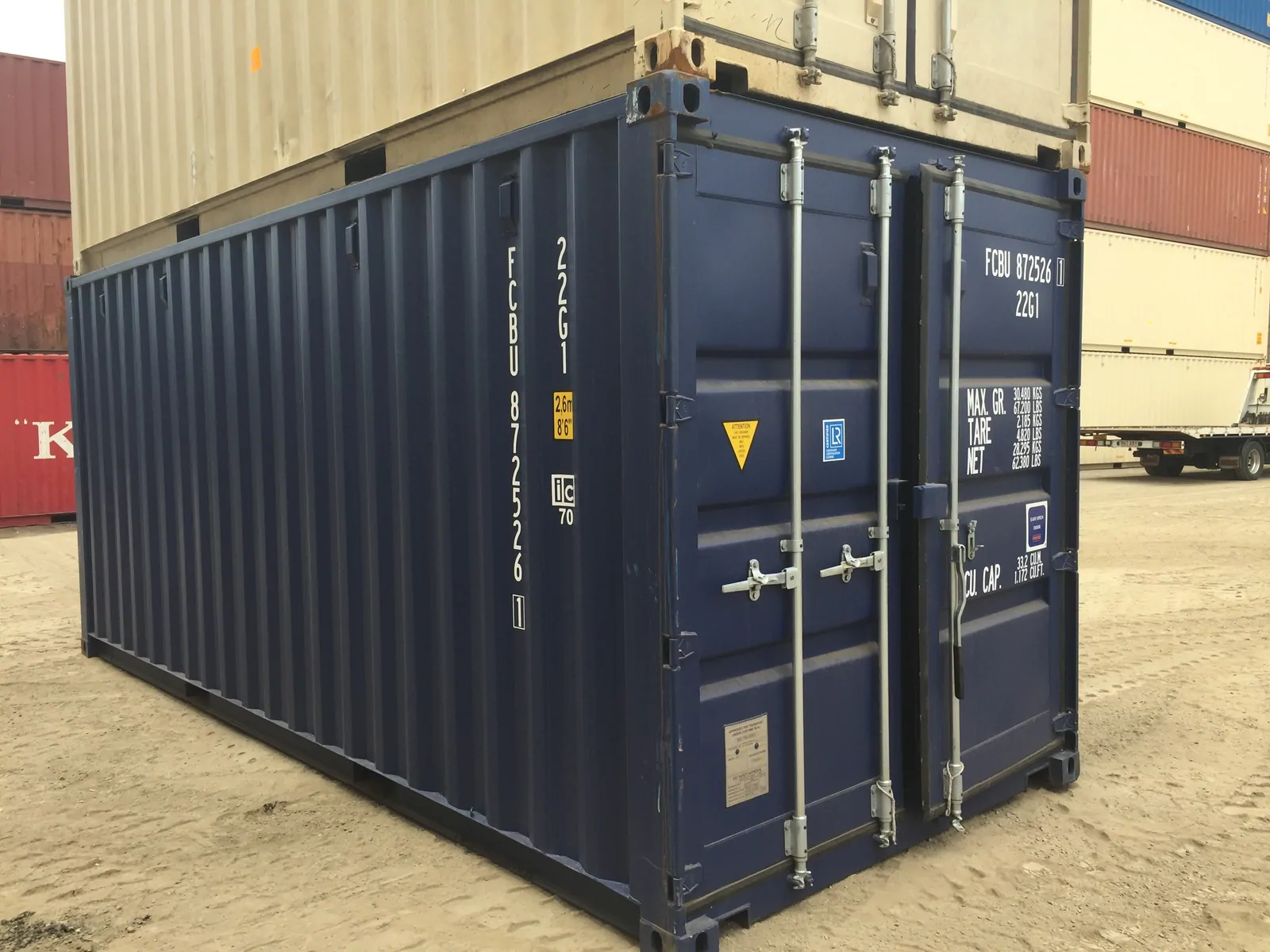 20ft
20ftYou have about seven metres of straight, reasonably level ground to put it on and you would rather not find out in six months that you should have gone bigger.
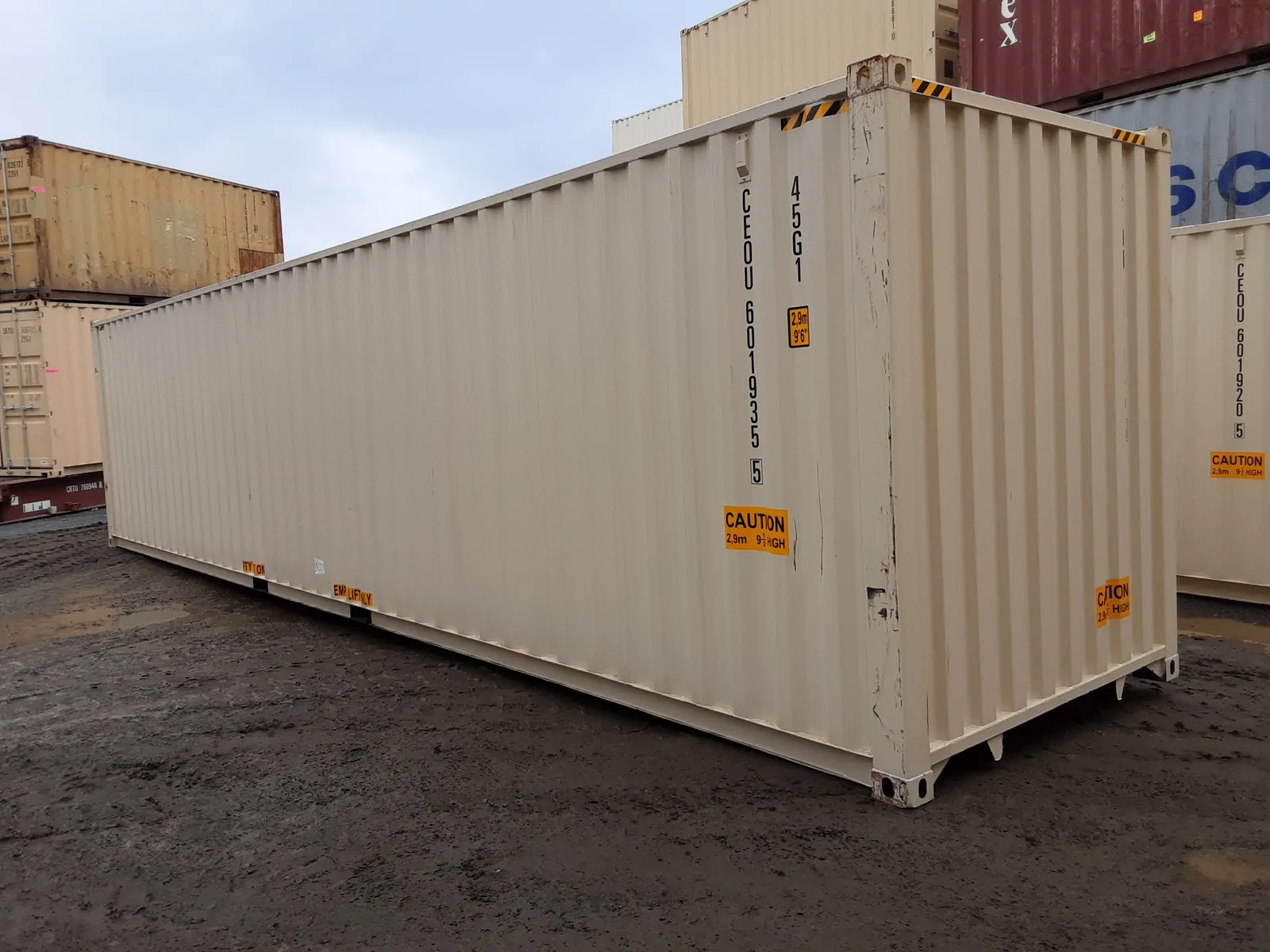 40ft
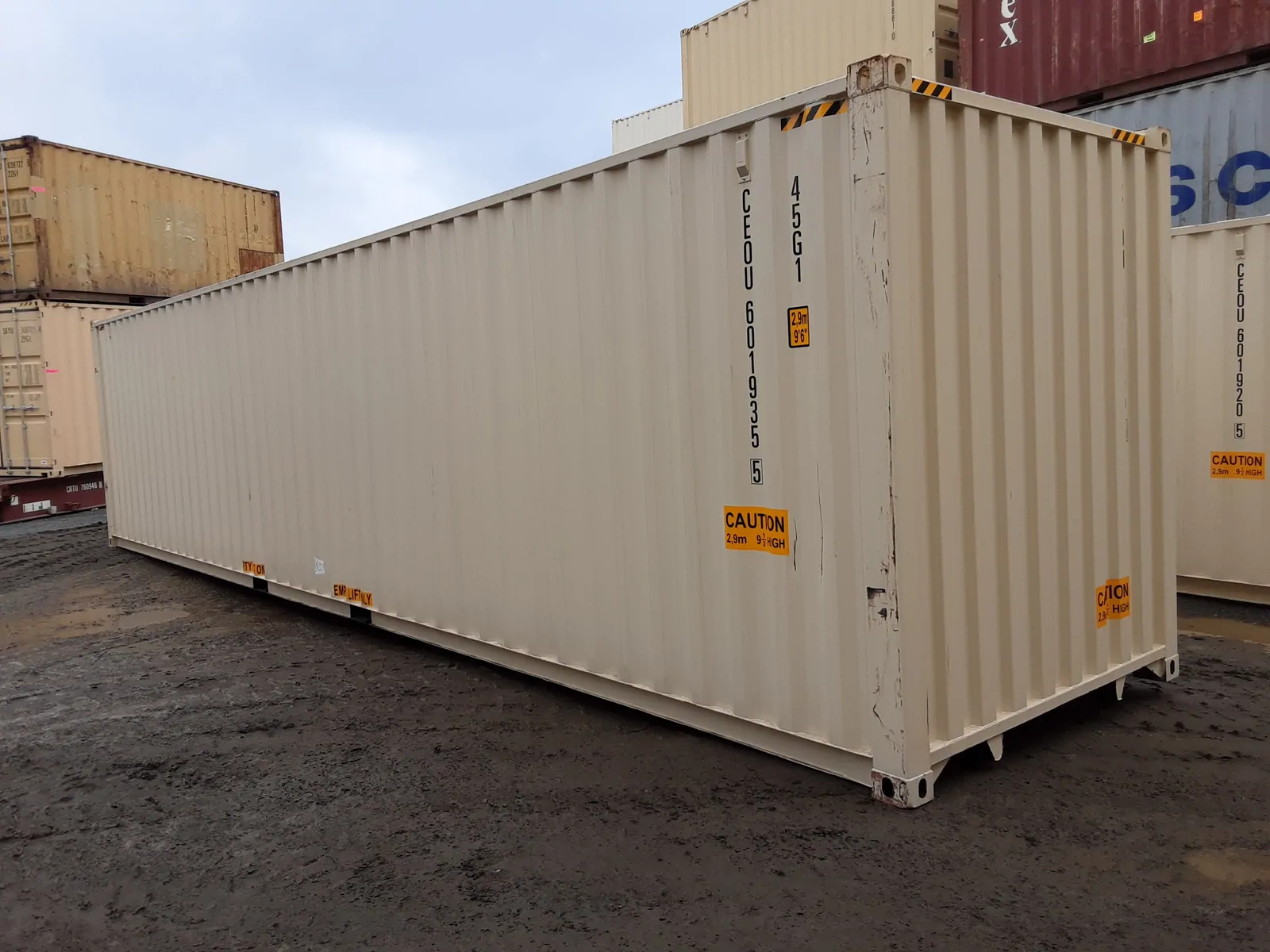
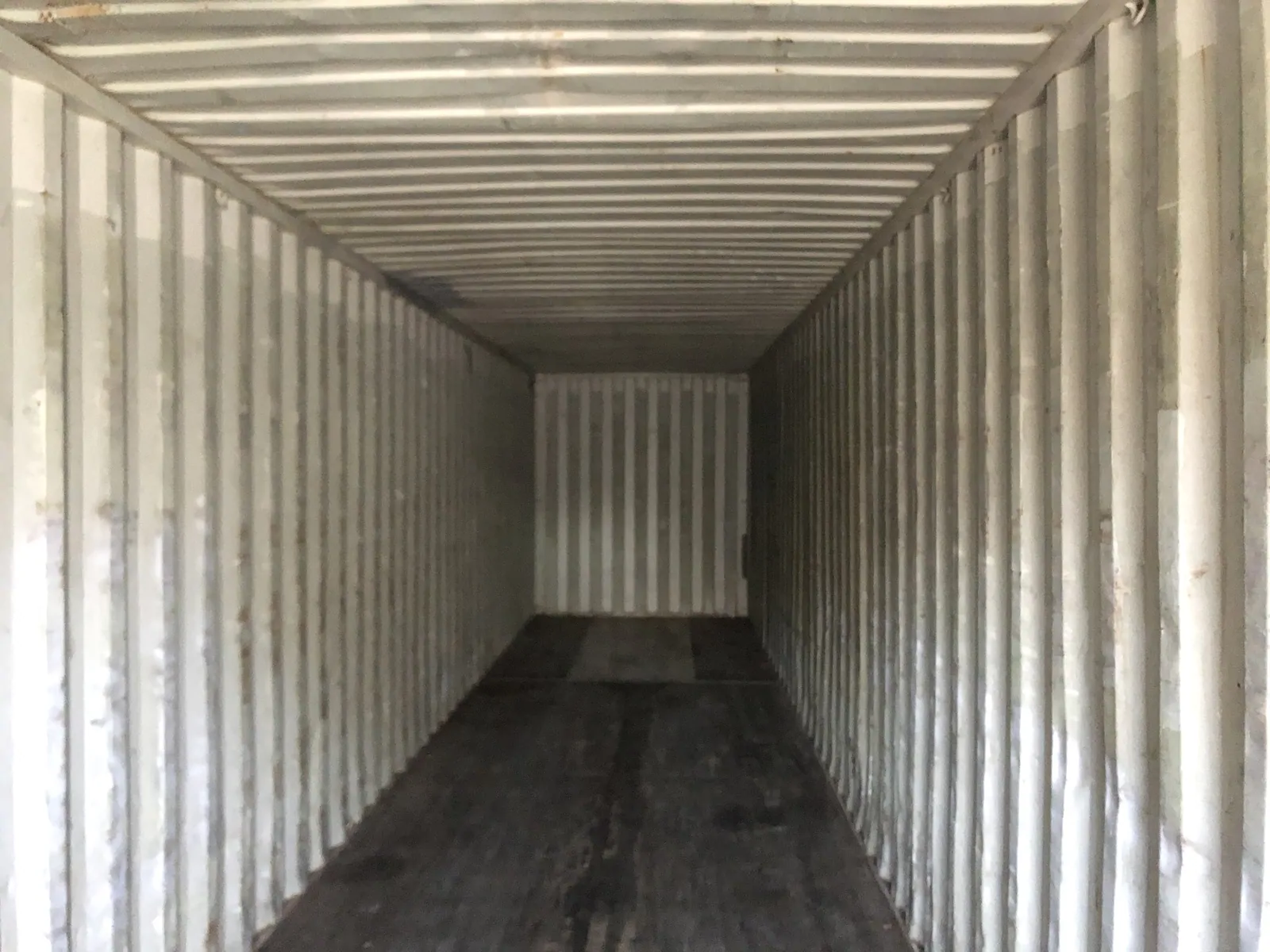
40ftYou have the room, the access is genuinely open, and you want the most storage per dollar available anywhere.
Ballina
If your address is Alstonville, Wollongbar, Tintenbar or the country between them, you are on some of the most cooperative delivery ground in the state. Red basalt drains hard and fast, it does not turn to grease the way alluvial or black soil does, and it means the wet does not shut you out for a week the way it can on the flats. That has a real practical benefit: plateau bookings hold up in weather that would move a river-flat delivery, so if you are choosing a date in a wet stretch, being up top is worth a lot.
The trade is space. Orchard access is laid out for machinery that is narrow and long, not for a truck that needs a straight run and somewhere to turn at the end of it. If the container is going in among the trees rather than up near the shed, walk the route first and look for the three things that actually stop us: the width between rows at the tightest point, the height of any irrigation main, shade cloth or low limb, and whether there is anywhere at the far end for the truck to line up straight. Where the rows will not take it, we can set the unit near the shed and you can shift it in with a tractor at your convenience.
On the ground
The low country around the river mouth is not soil in the way the plateau is soil. It is old estuary — silt and clay laid down when the sea was somewhere else, sitting a metre or so above a water table that never really goes away. In a dry September it forms a crust you would happily park on. Break through the crust and there is not much underneath, and a container corner casting concentrates a couple of tonne onto a footprint the size of a dinner plate, which is exactly the sort of load that finds a soft spot.
The fix is the same one we use on any soft ground and it is cheap: concrete pads or hardwood sleepers under the four corners, bedded and checked level both ways and on the diagonals, so the load spreads and the floor sits clear of damp ground. On the flats we would generally go a bit further than usual and get the underside a hundred and fifty millimetres up so air moves under it, because a floor sitting hard against ground that is permanently moist is where a long-term store goes wrong — from below, not from the roof. Tell us what the ground is like when you enquire and we will bring the materials with us and do the levelling as part of the delivery.
Worth knowing
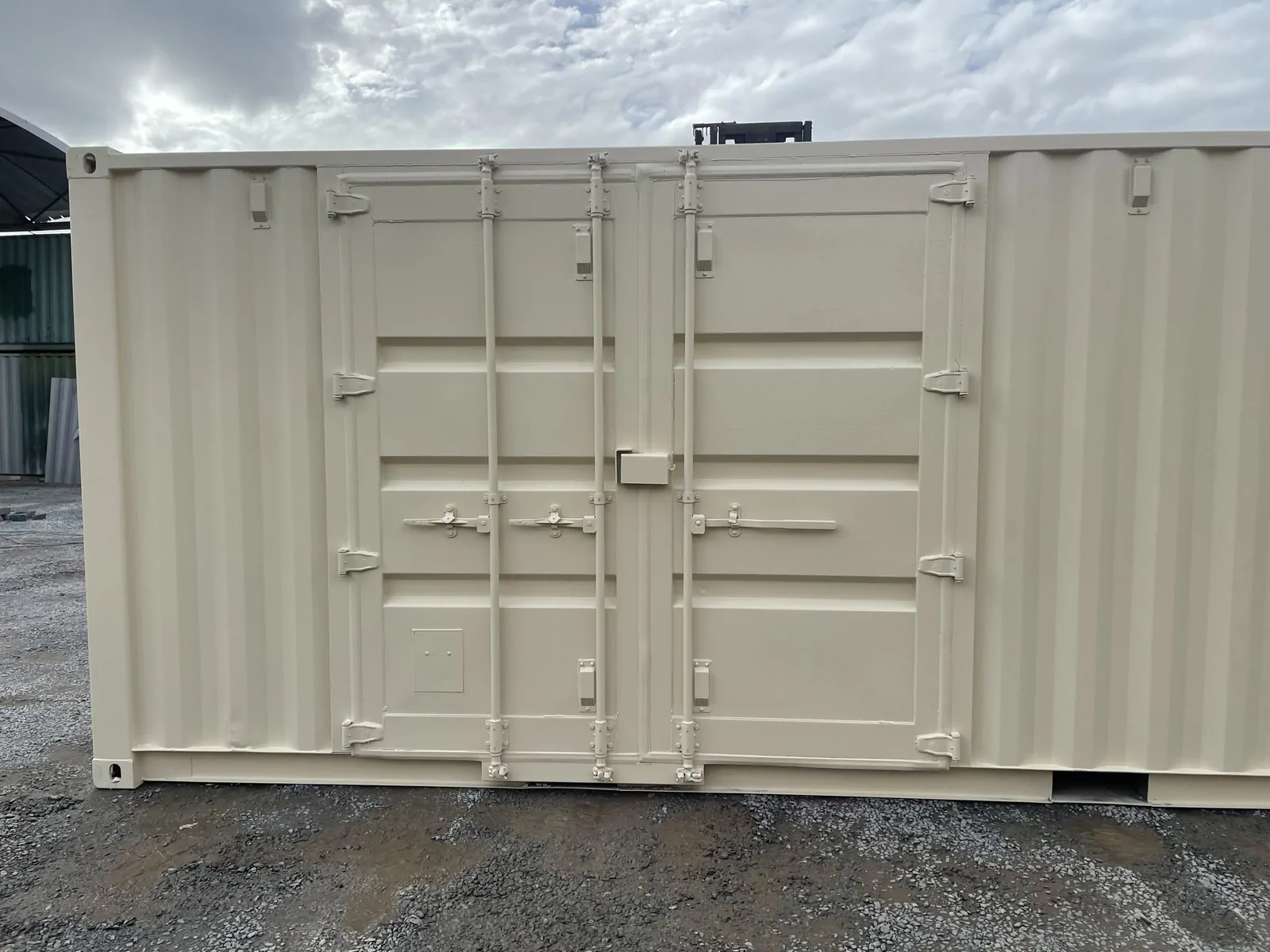
This decision matters more within a couple of kilometres of the beach than it does inland, so it is worth being plain about. Every cargo-worthy unit is checked wind and watertight before it leaves the yard, and that is the grade to ask for if the container is living outdoors year-round with anything in it you would be annoyed to lose — tools, stock, household goods, anything with an electric motor in it. As-is units cost less and are entirely honest about what they are. They suit a site store for steel, formwork or gear that does not mind weather, and they have a real place. They are not sold as watertight and should not be bought as though they are, and on a salt-air block at Lennox or East Ballina that difference shows up sooner than it would out west. Tell us what is going inside and how long for, and we will point you at the one you need rather than the dearer one.
We do not publish a delivery rate for this area, because a straightforward industrial drop and a tight residential one on the same street are not the same job. Ring and you will get an exact number.
Ring us, tell us what is going in it and what the access is like, and we will tell you which grade and which truck the job needs before anyone talks money.
We also deliver to Lennox Head, Alstonville, Wollongbar, Wardell, Evans Head and the surrounding district. If your town is not on the list, ring — it almost certainly still works.
Common questions
Regularly, and the ground up there is rarely the limiting factor — red basalt carries a truck well even after rain. What stops us is geometry: row width at the tightest point, irrigation main or shade cloth strung low across the route, overhanging limbs, and whether there is room at the far end for the truck to line up straight before unloading. Walk the route and check those before you order. If the rows are too tight, we can set the container down near the shed and you can walk it in with a tractor.
Well enough, provided the container is set on something rather than dropped on the dirt. The flats are old estuary silt with a shallow water table, firm under a dry crust and soft underneath it, and each corner casting concentrates a serious point load into a small footprint. Concrete pads or hardwood sleepers under the four corners, levelled in both directions, solve it permanently. On that ground we would also raise it enough to get air moving underneath, because a floor sitting against permanently damp soil is how a long-term store deteriorates from below.
Cargo-worthy, for anything that has to stay dry. Every cargo-worthy unit is checked wind and watertight before it leaves the yard, which is what you want with salt air working on it year-round. As-is units are cheaper and genuinely useful where a dent or some surface rust is irrelevant, but they are not sold as watertight and that distinction shows up faster on the coast than it does inland. Tell us what is going in it and we will give you a straight answer rather than an upsell.
Two to four business days is the normal window once we know how the container is getting onto the block. The thing that adds time is not the haul, which is straightforward down the highway, but a crane booking on a tight coastal block or a stretch of wet weather that makes a low-lying site not worth risking. If you have a fixed date — a settlement, a build start, a removalist already booked — say so at the enquiry and we will schedule around it.
Get a price
We deliver to Ballina and the surrounding district. Tell us what is going in it and what the access is like, and you will get a price with the cartage worked out. Every enquiry answered within one business day.
Or skip the form and ring us — 0477 410 500, Mon–Fri 7:30am–5pm, Sat 8am–12pm