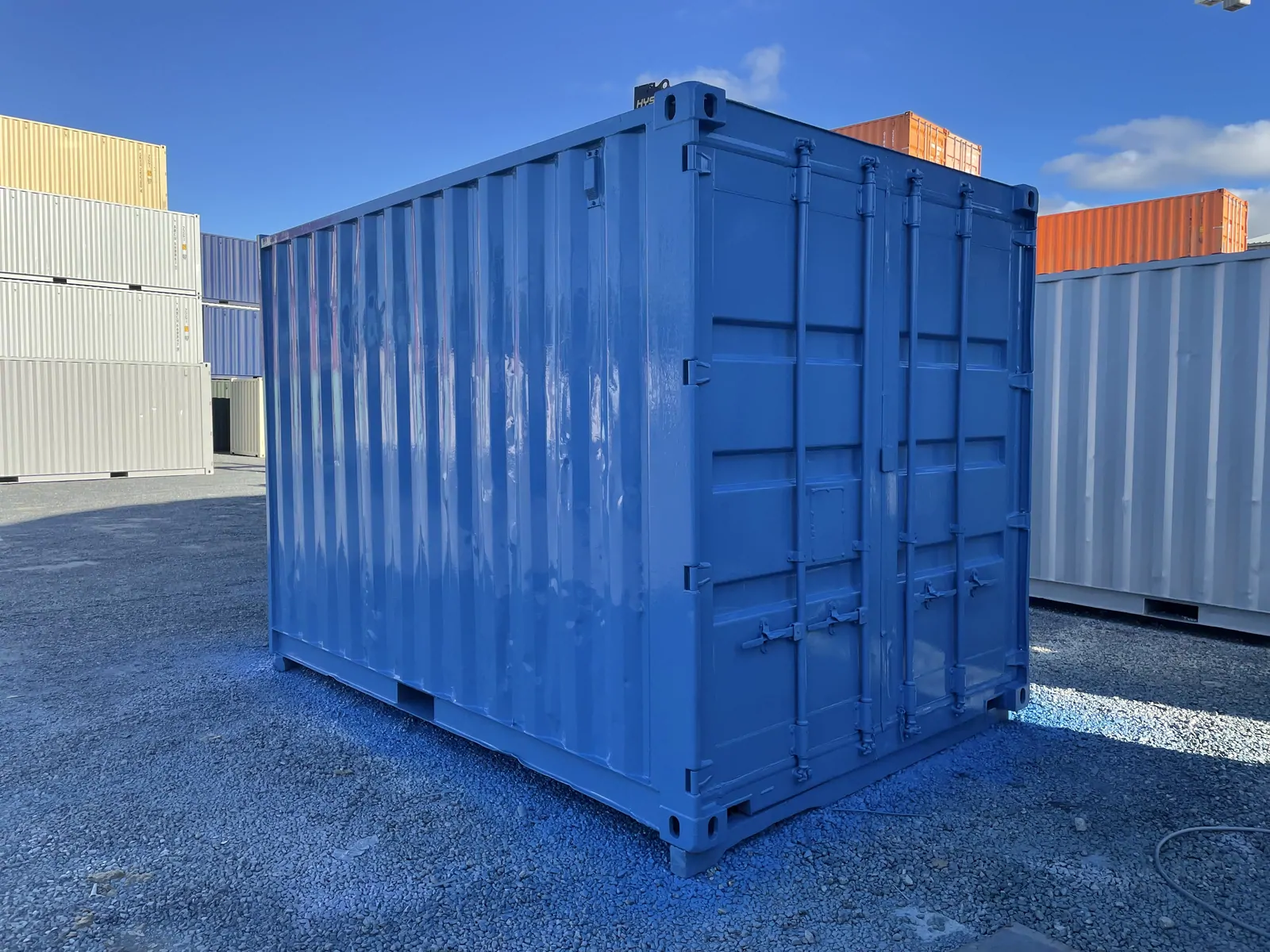
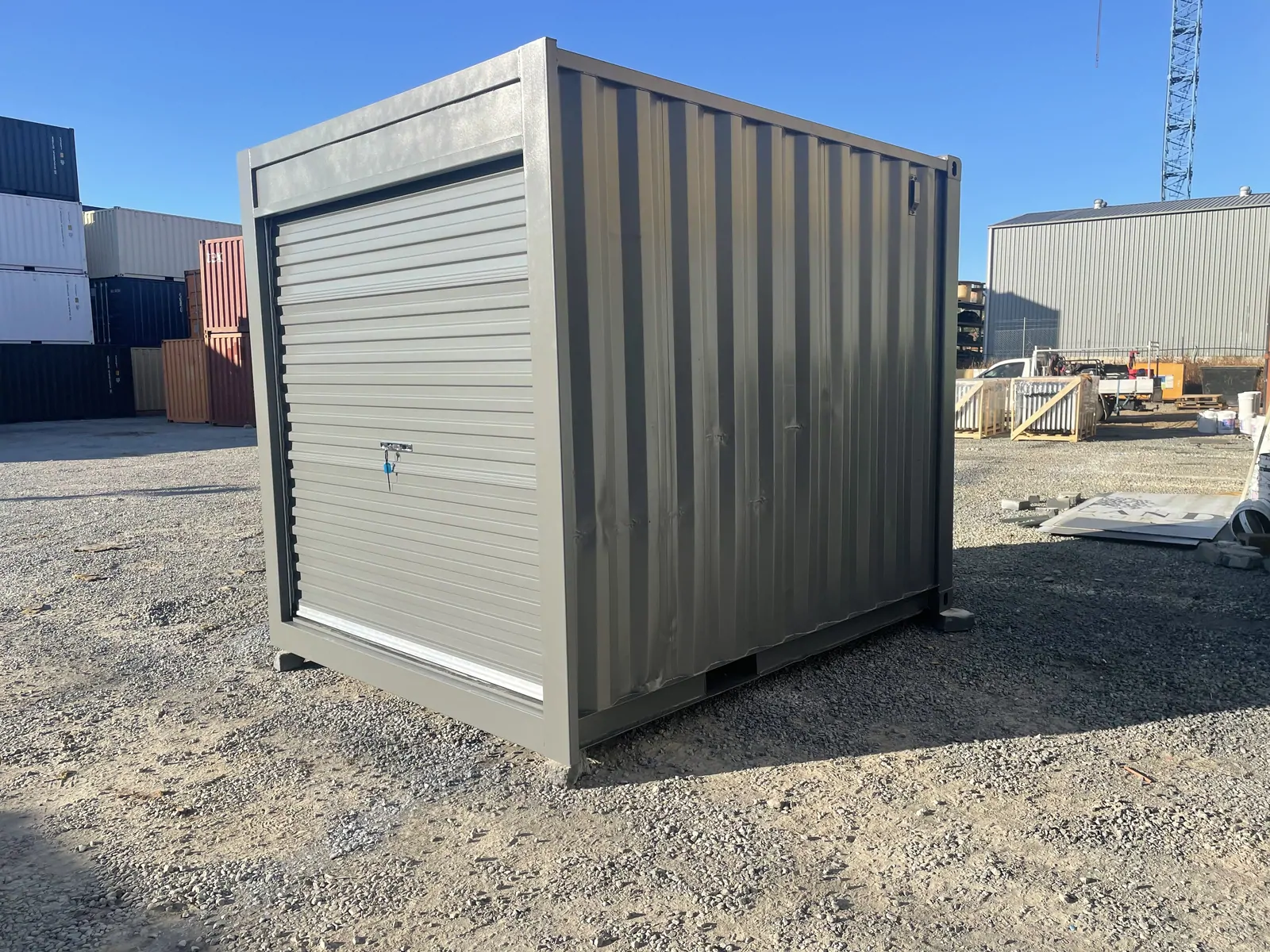
 10ft
10ft10ft Shipping Containers
The side passage is narrow, the council setback leaves you nothing to play with, or all you need is somewhere lockable for a mower, a compressor and a rack of tools.
Used from$4,350
New from$6,400
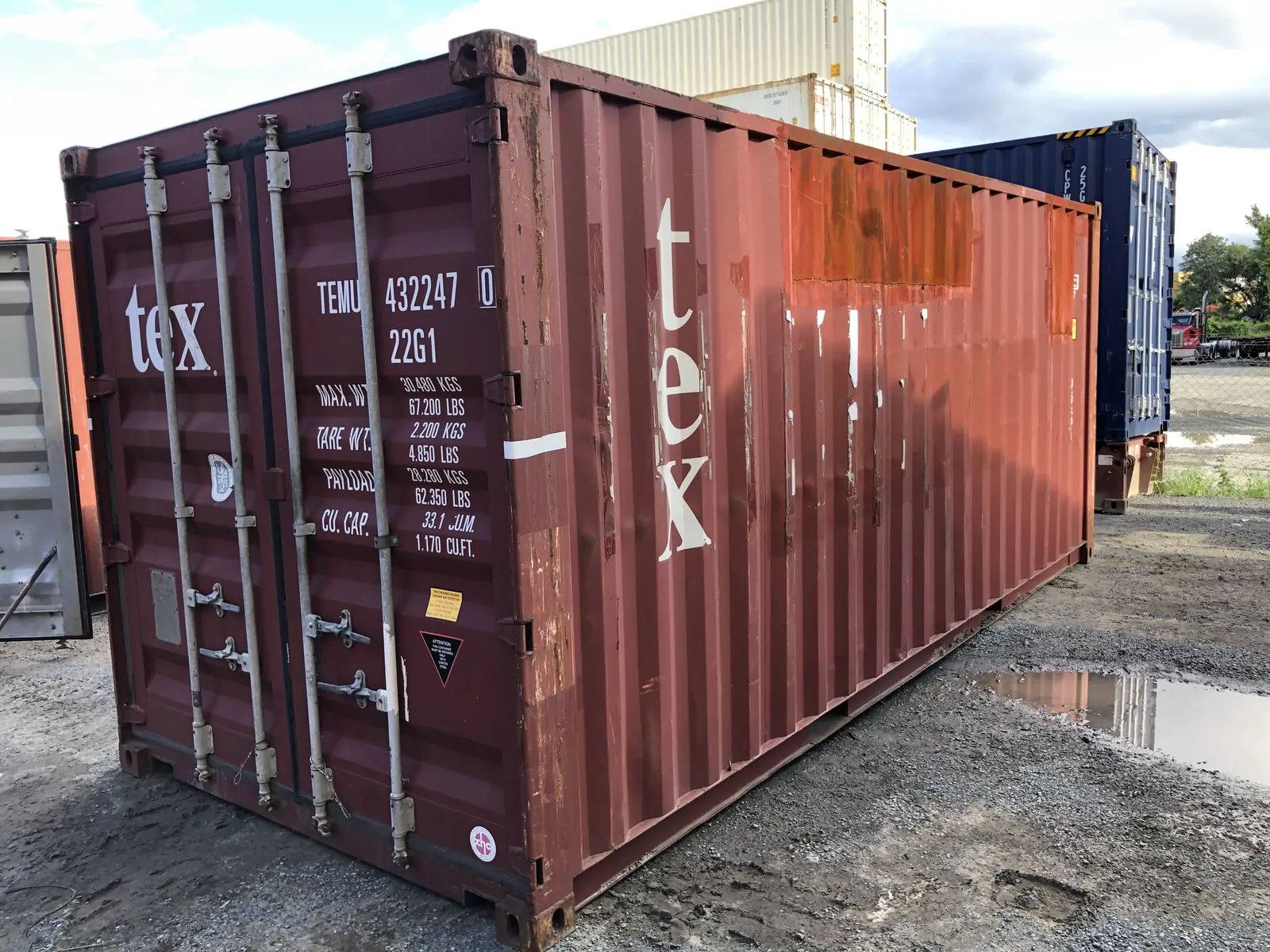
Toowoomba, QLD
Toowoomba sits about 700 metres above the coastal plain, so every container that lands here has been hauled up a range to get there. That part is routine for us, because we load at the bottom of it. The harder half is the ground: black soil that greases up in the wet and opens into cracks in the dry, and old streets with big trees leaning over them.
The practical read on this town.
Around Toowoomba we deliver containers for trade storage for builders working across the Garden City suburbs, secure lock-ups on renovation sites where the old shed came down before the new one went up, machinery and chemical storage on the acreage out through Highfields, Meringandan and Westbrook, feed and fencing gear on the smaller grazing blocks south toward Cambooya, and overflow storage for the freight and logistics yards that have grown up around Charlton and Wellcamp.
There are two ways up and the truck takes whichever suits the load. The old range road out of Withcott is short, steep and tight, with a grade that has been punishing brakes since long before any of us were driving. Most heavy vehicles now run the Toowoomba Bypass instead, which swings north around the city and comes in near Charlton. Either way the container arrives having climbed the better part of 700 metres, and that is the easy part. The real problem in Toowoomba is under your feet. The Downs black soil is a reactive clay. Wet, it turns to grease and a loaded truck will cut ruts a foot deep and then sit in them while you go and find a tractor. Dry, it shrinks and splits, and cracks wide enough to swallow a boot will open right where you wanted the container to sit. Neither state is a reason to cancel, but both are a reason to talk about timing and about exactly where the unit goes. On black soil we want the container on the highest, firmest line available, with a few sleepers or a run of road base under the corner castings so the load has something to spread into. The established suburbs bring their own trouble. East Toowoomba, Rangeville and the streets running down toward the escarpment are steep, kerbed and heavily treed, and the canopy this city is known for sits lower over the bitumen than people think. A tilt-tray needs a clear vertical envelope a long way above the container while the tray is up. Add parked cars on a narrow street and the practical answer is often an early start before the school run. Out at Highfields, Westbrook and Gowrie Junction the blocks are bigger and the driveways longer, which helps, until a wet week makes a gravel entry soft. Winter is quietly the best season to deliver here, because a hard frost sets the ground up beautifully.
Grade moves the price more than size does, and it is what decides whether a unit is sold watertight — the full rundown is on the grades page.
The range
Guide prices in AUD, ex GST. Delivery is quoted with the container.
10ftThe side passage is narrow, the council setback leaves you nothing to play with, or all you need is somewhere lockable for a mower, a compressor and a rack of tools.
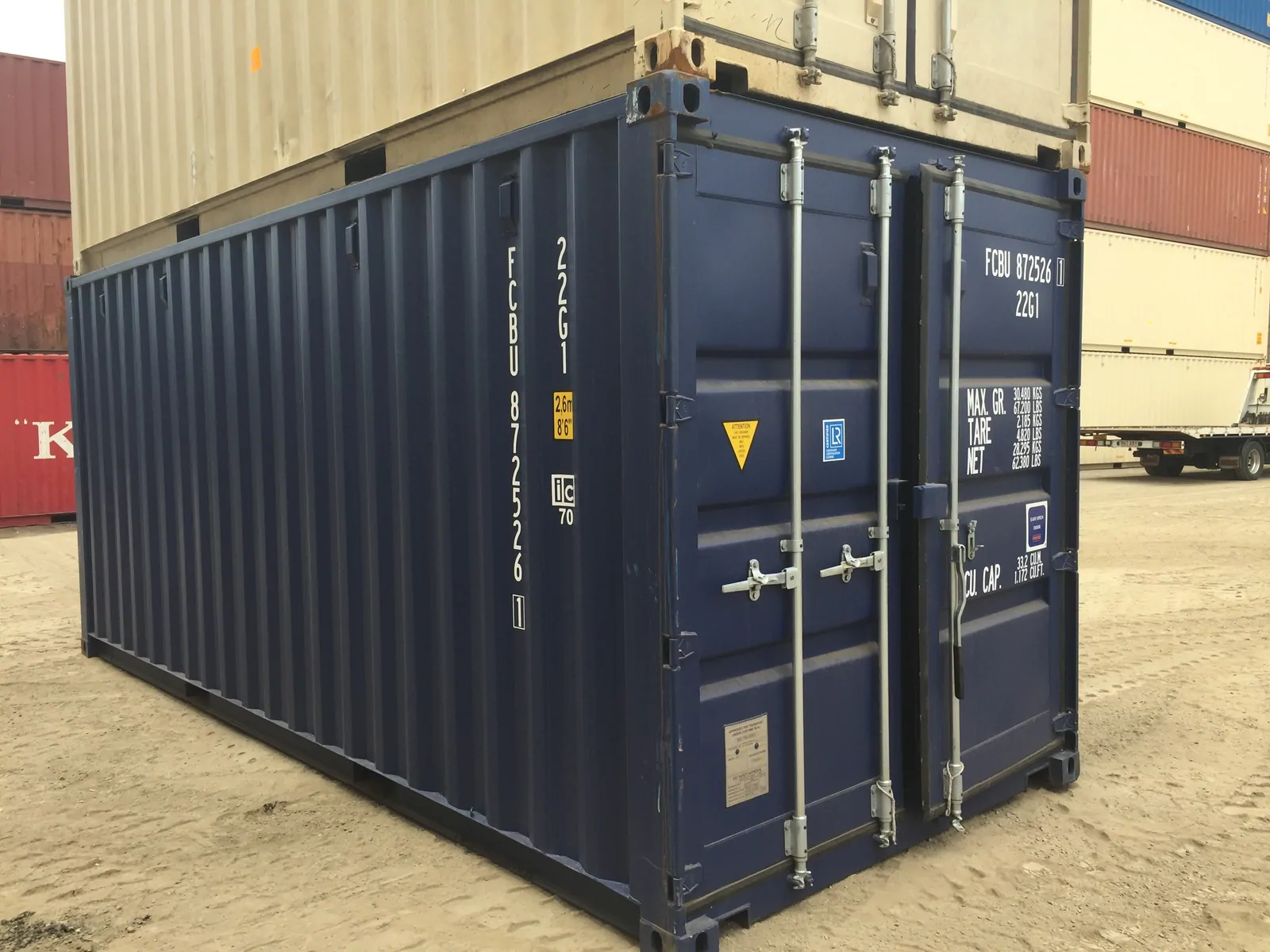 20ft
20ftYou have about seven metres of straight, reasonably level ground to put it on and you would rather not find out in six months that you should have gone bigger.
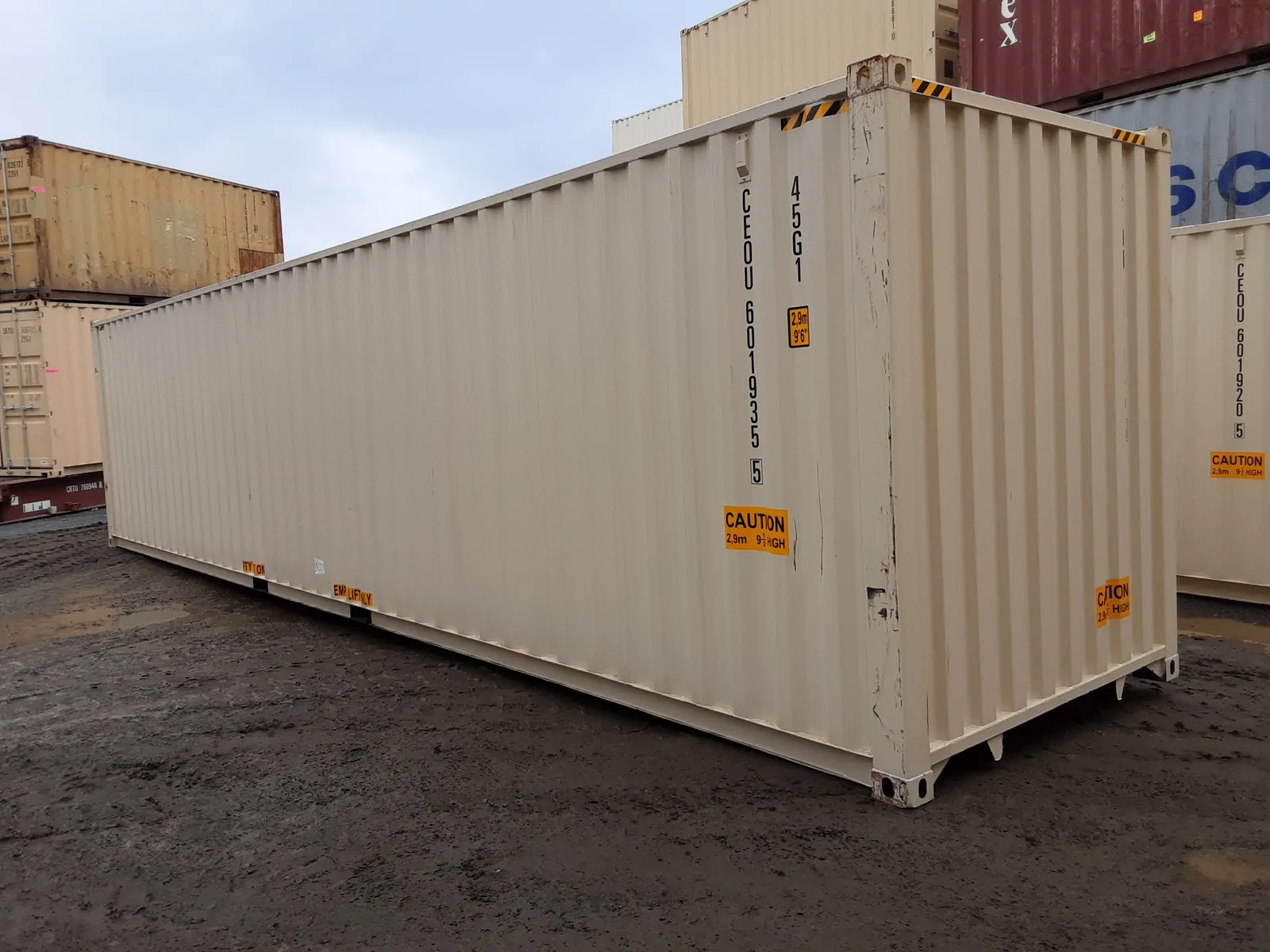 40ft
40ftYou have the room, the access is genuinely open, and you want the most storage per dollar available anywhere.
Toowoomba
Winter up here does something to a steel box that people on the coast never have to think about. A clear night on the Downs drops hard, frost on the grass by five in the morning, and then the afternoon comes back mild. The steel follows the air temperature almost instantly. The contents do not. Whatever moisture is in the air inside condenses on the underside of the roof and runs down the walls, and if the box is packed tight it can drip onto the top of the stack for weeks before anyone notices. It is not a leak, and no amount of sealing fixes it. People call it container rain, and it is the single most common thing we hear back about from the Downs, far more than anything to do with weather getting in from outside.
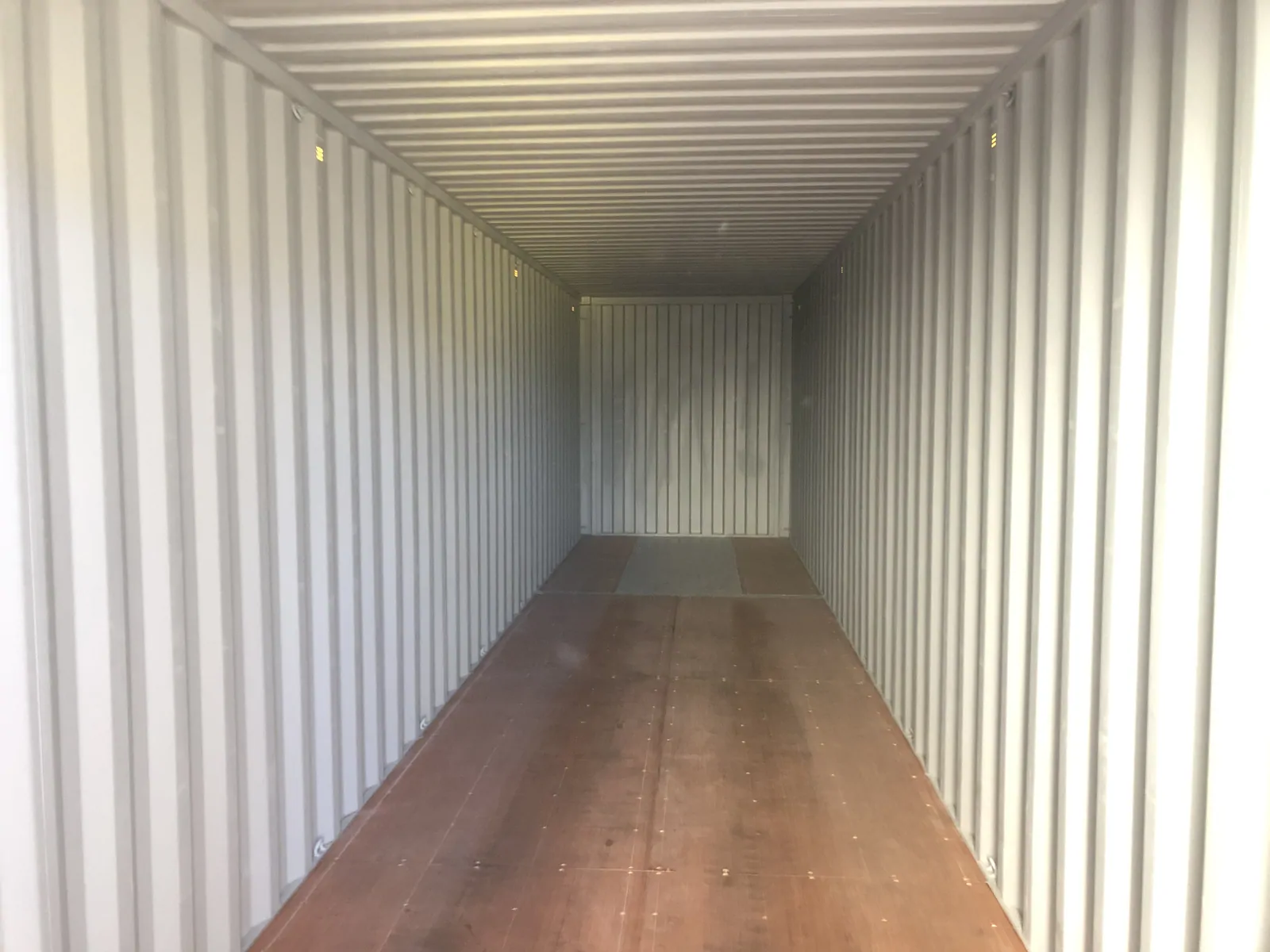
The cure is airflow and dry loading. Every unit comes with vents in the top rails, and on a container that is going to sit closed for months on a Toowoomba block we would rather see more of them, plus a whirlybird if the contents are worth protecting. Set the unit on hardwood sleepers or concrete pads under the corner castings so air moves underneath and the floor is not sitting in a puddle. Get it level, or as near as the ground allows, so the doors line up and the seals do their job. Do not load hay, green timber, damp carpet or anything else with water still in it and then shut the doors, because the moisture has to go somewhere. If you are storing something that really hates damp, a bucket of desiccant costs almost nothing and works. None of this is exotic. It is just the difference between a dry box and a wet one.
On the ground
In town the constraint is almost never the container, it is the run-up. A tilt-tray puts a 20ft on the ground by raising the tray and letting the unit slide off the back, and it needs roughly twice the length of the box in clear straight ground to do it. So a 20ft wants somewhere around twelve metres, and it wants that in a line, not around a corner. On the older streets between the CBD and the escarpment that line is often the road rather than the block, which means a few minutes of traffic management and a neighbour or two moving a car. Check the driveway crossover as well, because a lot of the older kerbing in this city was poured for a family sedan rather than for a rigid truck carrying a container, and a cracked crossover is an argument nobody wants to have.
Out through Highfields, Meringandan, Gowrie Junction, Hodgson Vale and Westbrook the space stops being the issue and the surface starts. Long gravel drives soften fast after a wet week, entry culverts are often a couple of pipes and some fill that nobody has ever load-rated, and farm gates get built to the width of the ute that goes through them daily rather than the width of a truck. Overhanging limbs are the other one. The five minutes worth having is a walk from the road to the spot with a tape and a phone, looking up as much as down, and a photo or two sent through before the truck is loaded. We would far rather redesign the approach in the office than turn a semi around in somebody's house paddock.
Worth knowing
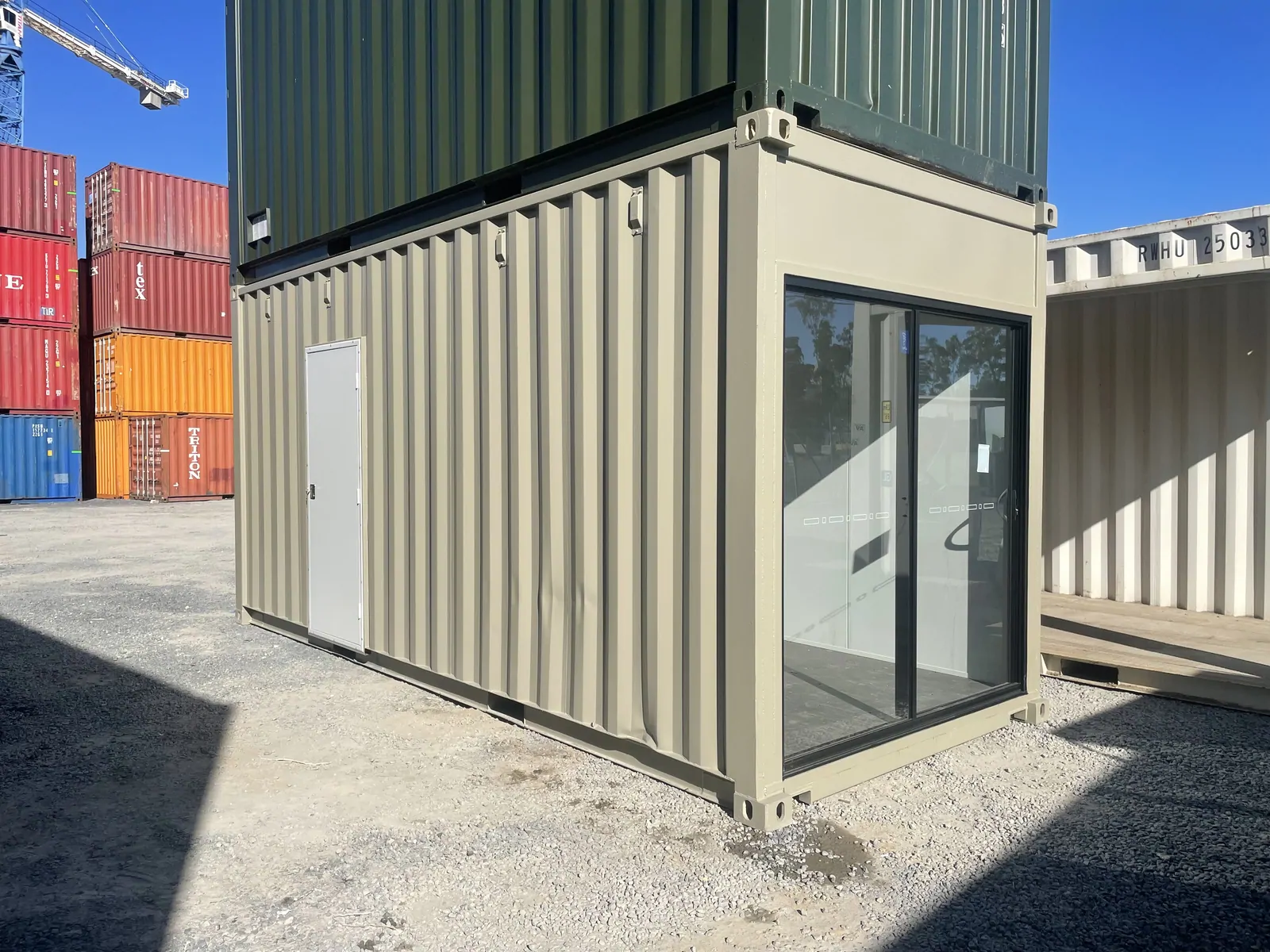
Grade matters more here than in a mild coastal climate, because the swings are bigger and the box has nothing over it. A cargo-worthy unit is one assessed as fit to carry freight at sea, and every cargo-worthy container we send out is checked wind and watertight before it leaves the yard. That is the grade to buy if the contents matter and the unit is living outside on a Toowoomba block. One-trip units are a step up again in cosmetic condition and door seal, and they are what most people choose when the container is going somewhere visible, or is going to be cut into later. As-is units are the cheaper end of the market and they are exactly what the name says: sold in the condition they stand in, not sold as watertight, and perfectly good for a hay store, a fence-line lock-up or a job where a bit of daylight through a roof seam does not matter. We will tell you plainly which grade a unit is, and you are welcome to drive down the range and look at it on the hardstand before it goes on a truck.
Cartage is worked out per address rather than off a table. Distance is only part of it — access is usually what moves the figure.
Send three photos of the site with your enquiry and we can usually tell you the truck and the timing straight back.
We also deliver to Highfields, Westbrook, Oakey, Pittsworth, Cambooya and the surrounding district. If your town is not on the list, ring — it almost certainly still works.
Common questions
Whichever suits the load and the traffic on the day. The bypass takes heavy vehicles around the north of the city and joins the highway out near Charlton, and it is the steadier climb, so most of our Toowoomba loads go that way. The old range road out of Withcott is shorter, but it is steep and tight and it is no place for a truck carrying a 40ft when there is an alternative. Either way the container has climbed close to 700 metres by the time it reaches you, and that part is our problem rather than yours.
Sometimes, and sometimes it is a very bad idea. Downs black soil is a reactive clay that drains slowly, so a day or two after decent rain the surface turns greasy and a loaded truck will cut ruts you will be looking at all summer. If the spot is off hardstand and it has been wet, we will usually suggest moving the delivery a few days, or placing the unit on the firmest ground we can reach and repositioning it later with a machine. Nobody wins from a bogged truck in your paddock.
Usually the next business day, and rarely more than three. Our yard is at Forest Hill in the Lockyer Valley, roughly forty-five minutes down the range from the Toowoomba CBD, so this is a short run for us rather than a country freight job. The timing that matters more is at your end: confirming where the unit is going, what the approach looks like and whether the ground is dry. Ring in the morning with that sorted and there is a fair chance it is on the ground the following day.
Yes, and plenty of Toowoomba people do. The yard is at Forest Hill, straight down the range and along the highway, and the units sit on hardstand where you can walk them, open the doors, check the floor and pick the one you want. Ring first so we know you are coming and can have the right sizes accessible. If the drive is not worth it, photos of the actual unit are available on request and before delivery, but the trip takes under an hour each way and it settles the question properly.
Get a price
We deliver to Toowoomba and the surrounding district. Tell us what is going in it and what the access is like, and you will get a price with the cartage worked out. Every enquiry answered within one business day.
Or skip the form and ring us — 0477 410 500, Mon–Fri 7:30am–5pm, Sat 8am–12pm