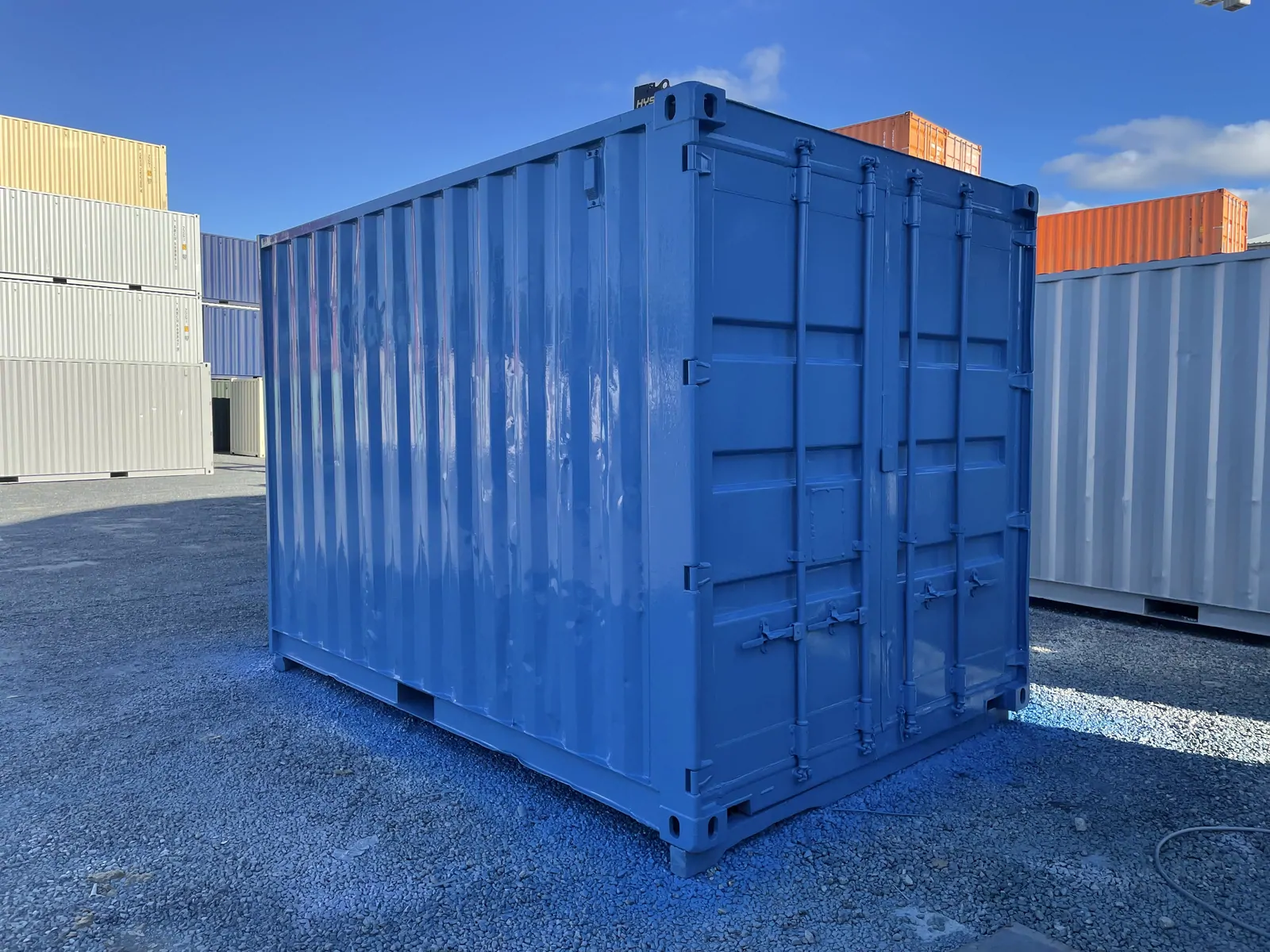
 10ft
10ft10ft Shipping Containers
The side passage is narrow, the council setback leaves you nothing to play with, or all you need is somewhere lockable for a mower, a compressor and a rack of tools.
Used from$4,350
New from$6,400
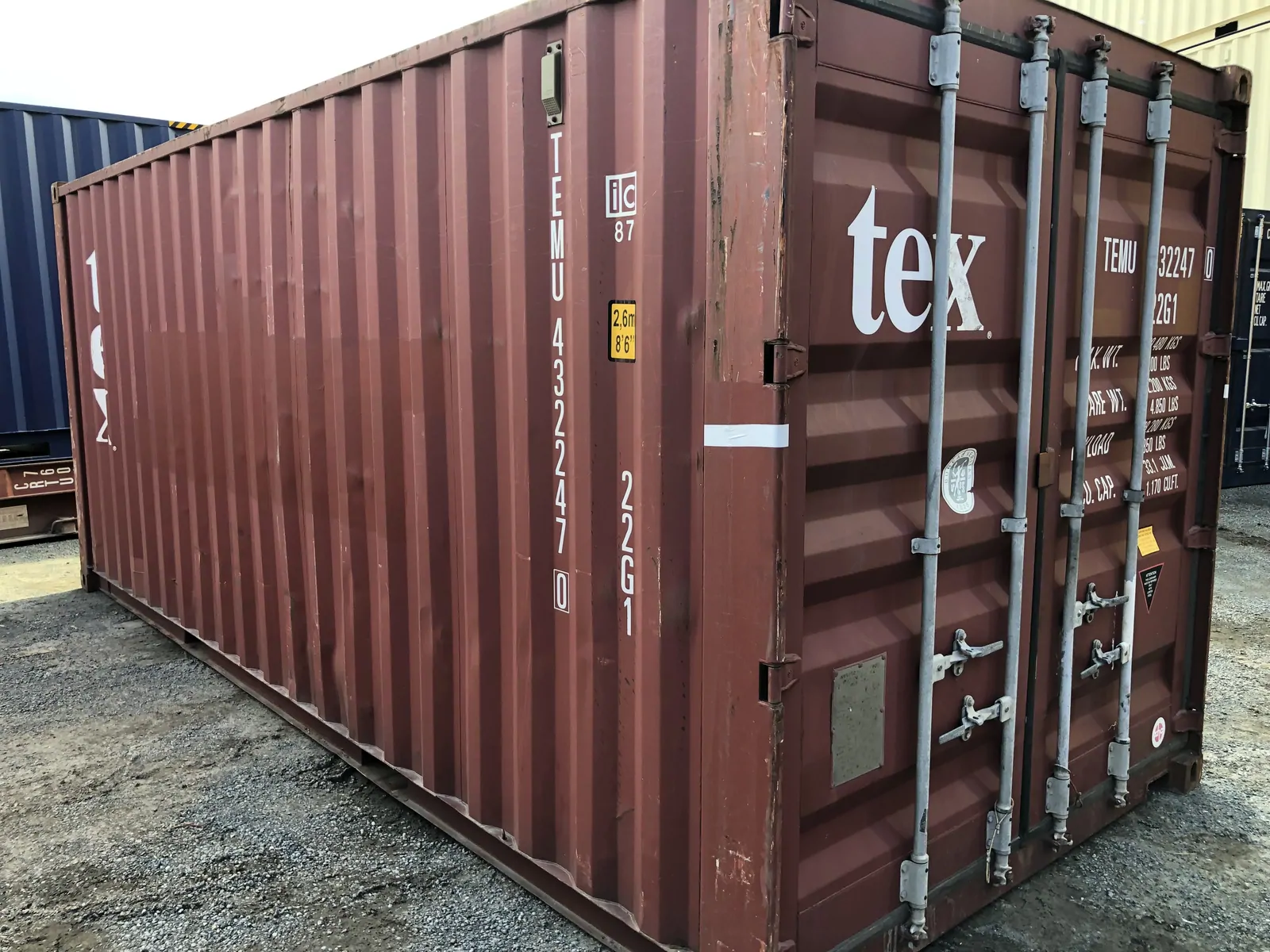
Cairns, QLD
Cairns is the furthest north we deliver regularly, and stock comes from a Far North depot wherever the grade allows, because trucking a box two thousand kilometres serves nobody. The bigger issue up here is not distance, it is climate. The wet tropics are hard on steel, hard on what is stored in it, and for months a year they decide when a truck reaches an unsealed block.
What we tell people who ring from here.
Around Cairns we deliver containers for gear storage for reef and rainforest tourism operators between seasons, dive and marine equipment near the inlet, tool and plant storage for the trades, fertiliser, chemical and machinery parts on cane and tropical fruit farms, secure storage for accommodation and hospitality businesses, workshop overflow in the industrial estates, and dry storage on Tablelands blocks where the shed filled up years ago.
Cairns is a narrow city. The coastal strip between the range and the sea is not wide, and a lot of the residential area is packed into it, which means blocks are tighter and side access scarcer than the population would suggest. In the older suburbs the streets are close, the vegetation is aggressive and overhanging, and a tilt-tray needs more clear height than people expect once the deck is up. In the northern beaches the ground turns sandy and soft close to the shoreline, and the good-looking level lawn is often the least load-bearing part of the property. Going inland the terrain changes fast. The Tablelands sit several hundred metres above the coast and the range roads that get you there are steep, tightly wound and in places narrow enough that a long vehicle is a genuine consideration rather than a formality. Roadworks and slips on those roads are a fact of life in the wet. A container going to Mareeba, Atherton or beyond is a different day's work to one going to a flat block near the highway, and it gets planned as such. Then there is rainfall, which in this part of the country is not a weather event but a climate. Unsealed access roads and farm tracks in the wet tropics do not merely get muddy, they stop being roads. Creek crossings that are ankle deep in September are impassable in February, and some properties are genuinely cut off for days at a time. Nobody local finds this surprising. What it means for a delivery is that between roughly December and April, any address that is not on sealed road with hardstand at the end of it is a date we set with room in it and confirm the day before. Humidity is the constant that never lets up. It is hard on hinges, hard on seals, and it is the reason units up here need looking after rather than ignoring.
Grade moves the price more than size does, and it is what decides whether a unit is sold watertight — the full rundown is on the grades page.
The range
Guide prices in AUD, ex GST. Delivery is quoted with the container.
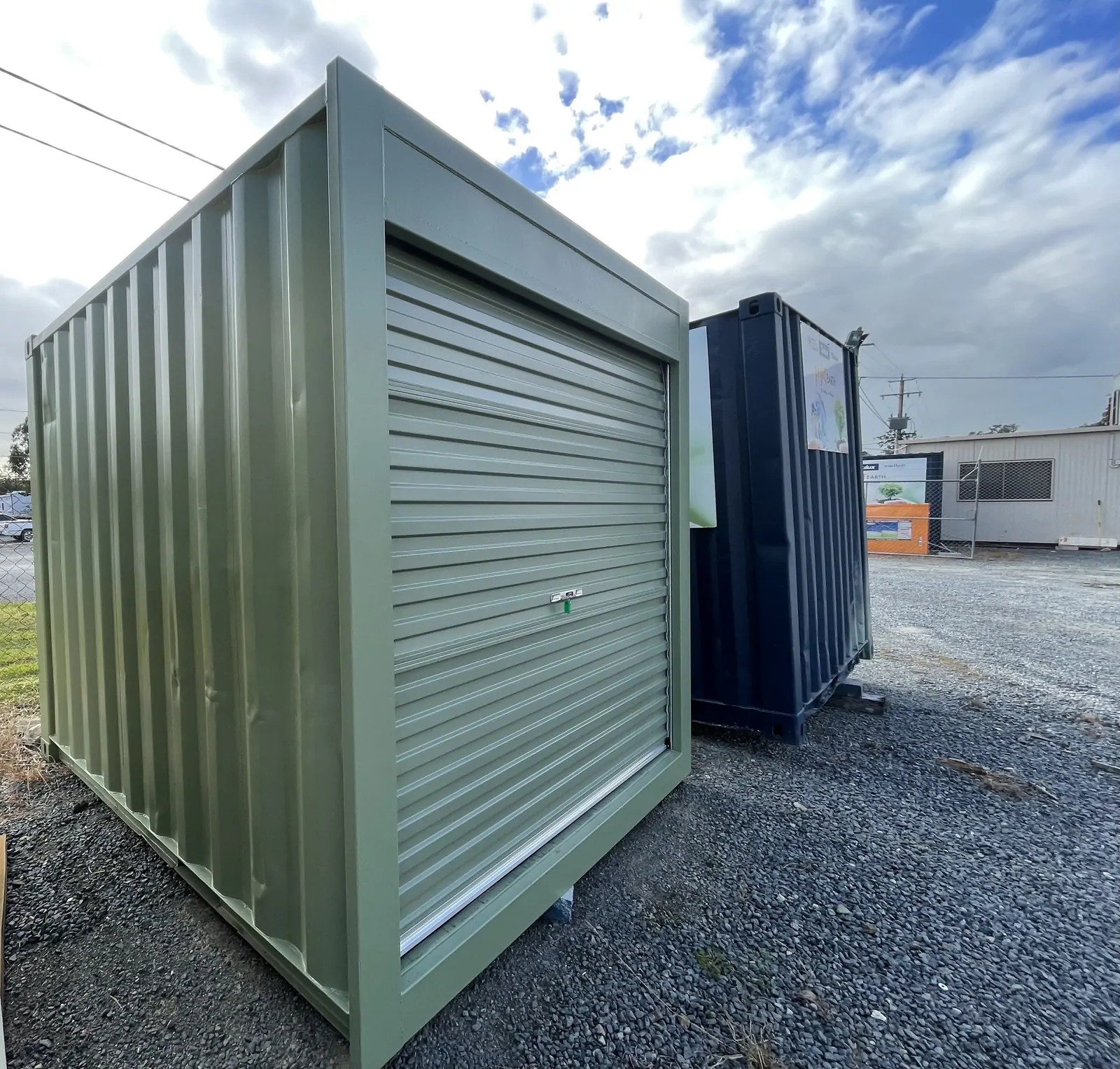
10ftThe side passage is narrow, the council setback leaves you nothing to play with, or all you need is somewhere lockable for a mower, a compressor and a rack of tools.
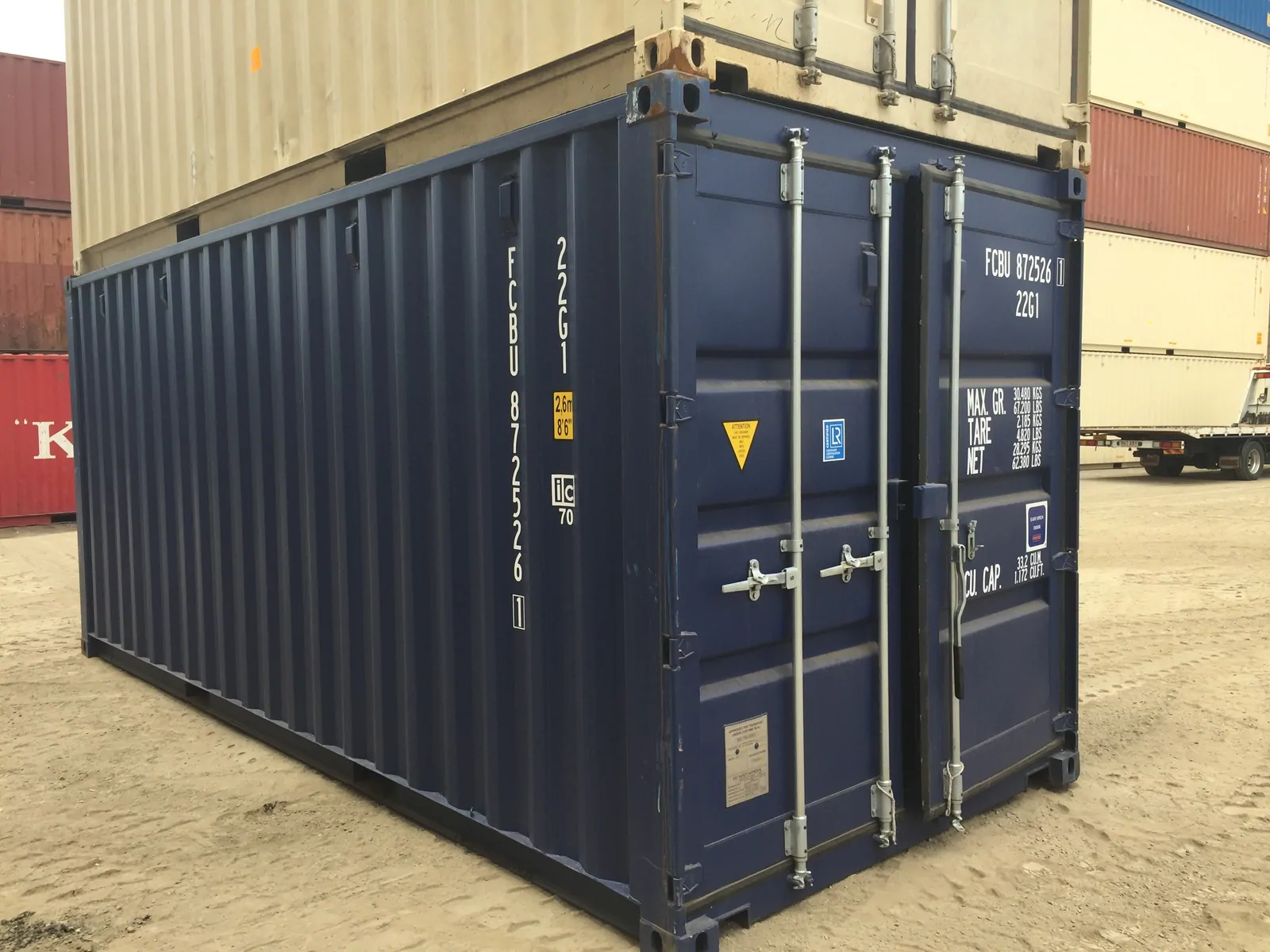 20ft
20ftYou have about seven metres of straight, reasonably level ground to put it on and you would rather not find out in six months that you should have gone bigger.
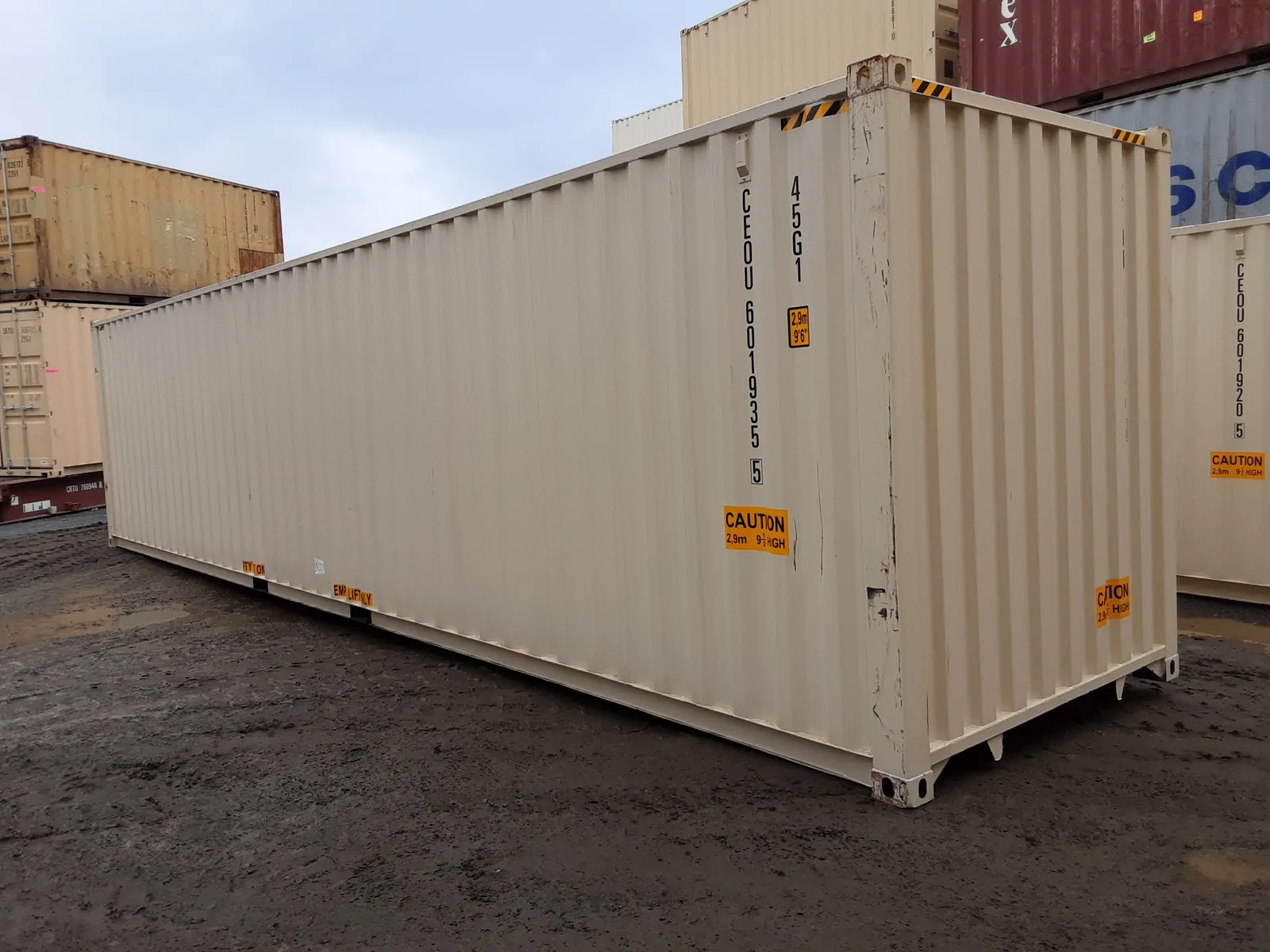 40ft
40ftYou have the room, the access is genuinely open, and you want the most storage per dollar available anywhere.
Cairns
The wet tropics do to painted steel what a decade elsewhere does. Constant humidity, salt in the air near the coast, and rainfall in genuinely large quantities mean that any scratch through the coating starts working almost immediately. Corten steel is designed for this and it is why containers last as long as they do, but the coating is still the front line and the places it fails first are predictable: door frames, the roof seams, the underside of the floor rails, and anywhere something has been dragged against a panel.
The maintenance that keeps a unit good here is unglamorous and takes very little time. Touch up scrapes when you see them rather than at the end of the year. Grease the door gear and check the rubber seals, because a hardened seal in this climate lets water in during the first serious downpour. Keep the container up off the ground so air moves underneath and the floor rails are not sitting in a wet spot for months. Clear leaf litter off the roof, because organic matter holding moisture against paint is what actually eats it. On grade, this is the one part of the country where paying for a better unit up front usually pays for itself. Every cargo-worthy container is checked wind and watertight before it leaves, and that is the sensible minimum for anything that has to stay dry here. As-is units are not sold as watertight and up here that distinction is not academic, it is the difference between storage and a very large planter box.
On the ground
Between about December and April, access is the schedule. Unsealed roads on the Tablelands and out through the cane and fruit country stop carrying loads. Creek crossings that were nothing become impassable. Some properties are cut off entirely for a few days at a stretch, and there is no truck and no driver that changes that. We plan Far North deliveries in the wet with flexible dates and a confirmation call the day before, and we tell people honestly that a fixed morning is not something we can promise into that country in February.
The upside is that the dry season here is superb for this work. From about May onward the roads firm up, the tracks carry weight, and a delivery that would have been a fortnight of watching the radar becomes routine. If your timing has any give in it at all, that is the window to use.
Worth knowing
Getting a container up onto the Tablelands is its own exercise. The range roads climb hard, wind tightly, and have sections where a long vehicle needs the full width to make a bend. Slips, roadworks and single-lane sections are common enough in the wet that a route can change on the morning. None of that makes it impossible, and containers go up there regularly, but it does mean the delivery is a planned day rather than a slot, and it means we would rather talk through the exact address and the last few kilometres of approach before we commit to a date. Once you are on top, the country is easier: bigger blocks, longer entries, and volcanic red soil that drains well and carries a truck far better than the coastal ground below.
Delivery is quoted with the container. It moves with the distance, the truck the site needs and how hard the last thirty metres are, so we price it per job rather than publish a figure that would be wrong for half the addresses here.
One call sorts it. Size, grade, where it is going and what the entry looks like — that is everything we need to price it properly.
We also deliver to Gordonvale, Mareeba, Atherton, Port Douglas, Innisfail and the surrounding district. If your town is not on the list, ring — it almost certainly still works.
Common questions
Yes, and it goes regularly, but it is planned rather than squeezed in. The range roads are steep and tightly wound with sections where a long vehicle needs the full carriageway, and slips or roadworks can change the route on the morning. What we want to know beforehand is the exact address and what the last few kilometres look like, because that decides the truck. Once you are on the Tablelands the deliveries themselves are usually easier than on the coast, with more room and red soil that carries weight well.
Sometimes, yes, and we would rather say so than pretend otherwise. Between roughly December and April, unsealed access in the wet tropics stops carrying loaded trucks, creek crossings go up, and some properties are genuinely cut off for days. We set dates in that period with room in them and confirm the day before. If the timing is fixed, the workable option is often to land the unit on sealed hardstand nearby and move it in once the road firms up.
Faster than anywhere else we deliver, but it is manageable. Corten steel is built for weather and the walls are not what fails. It is the coating, and the spots that go first are the door frames, roof seams, floor rails and anywhere the paint has been scraped. Touch up scrapes when you notice them, grease the door gear, check the seals, keep leaf litter off the roof and keep the unit off the ground so air moves under it. Do that and it stays sound. Ignore it for a few wet seasons and it will show.
In most cases up here, yes, and it is much cheaper to do at the start. Warm saturated air gets into the box during the day, the roof cools overnight, and the moisture condenses on the steel and drips onto whatever is underneath. That happens without a drop of rain getting in. Additional vents low and high let air move through and reduce it considerably. Raising the unit off the ground helps as well, and loading things dry helps most. Anything with paper, fabric, leather or electronics in it will thank you for the vents.
Get a price
We deliver to Cairns and the surrounding district. Tell us what is going in it and what the access is like, and you will get a price with the cartage worked out. Every enquiry answered within one business day.
Or skip the form and ring us — 0477 410 500, Mon–Fri 7:30am–5pm, Sat 8am–12pm