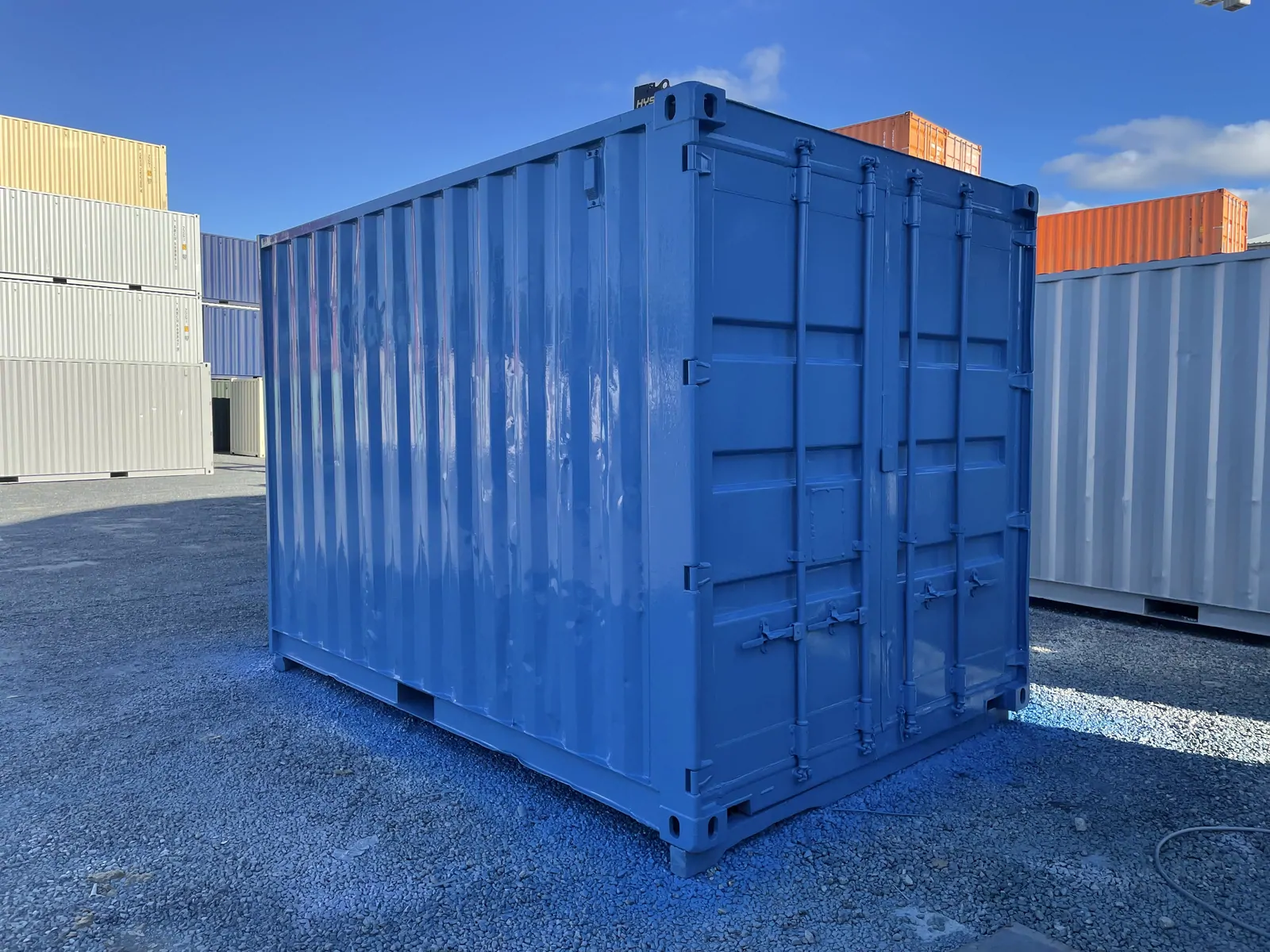
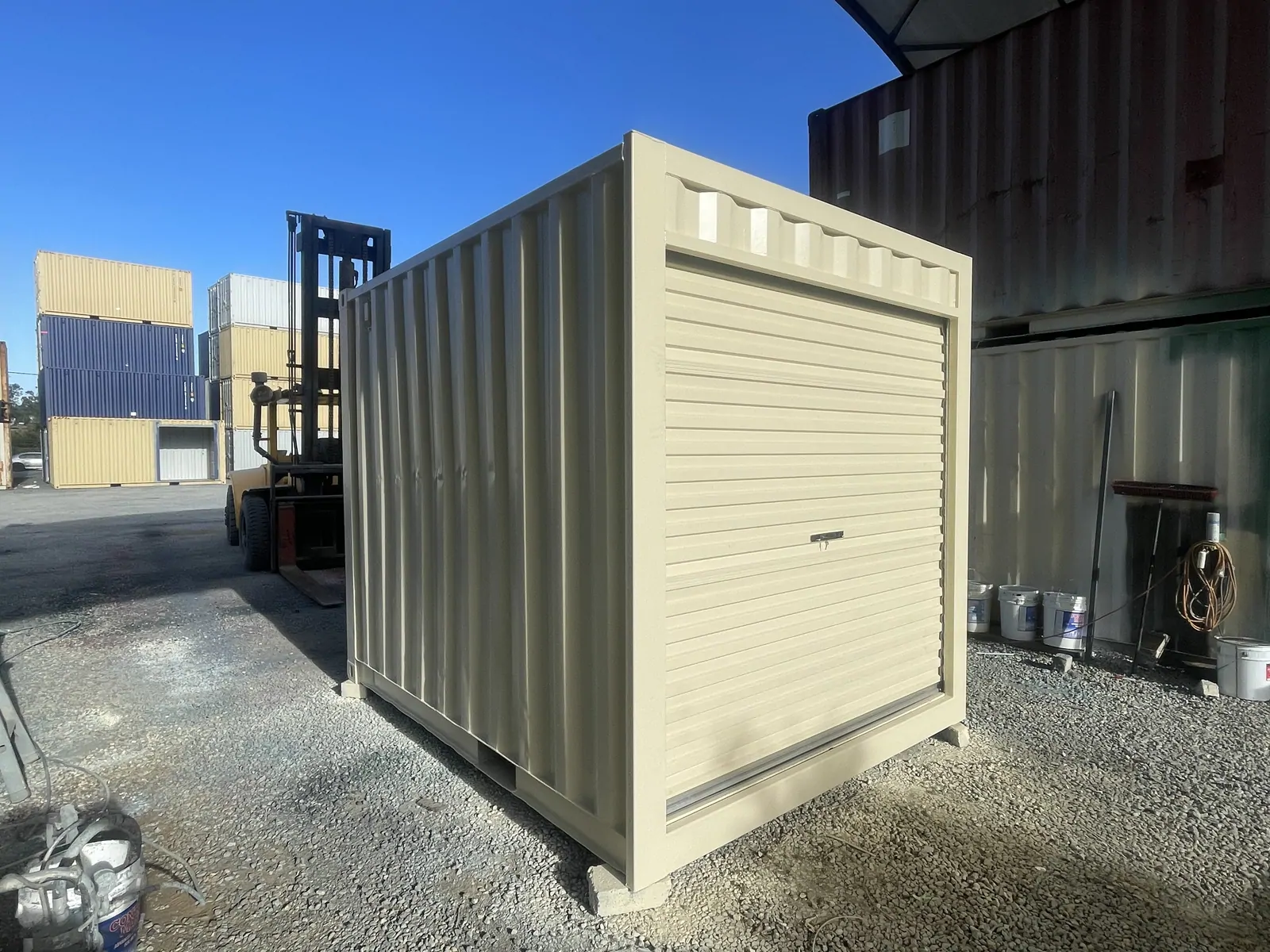
 10ft
10ft10ft Shipping Containers
The side passage is narrow, the council setback leaves you nothing to play with, or all you need is somewhere lockable for a mower, a compressor and a rack of tools.
Used from$4,350
New from$6,400
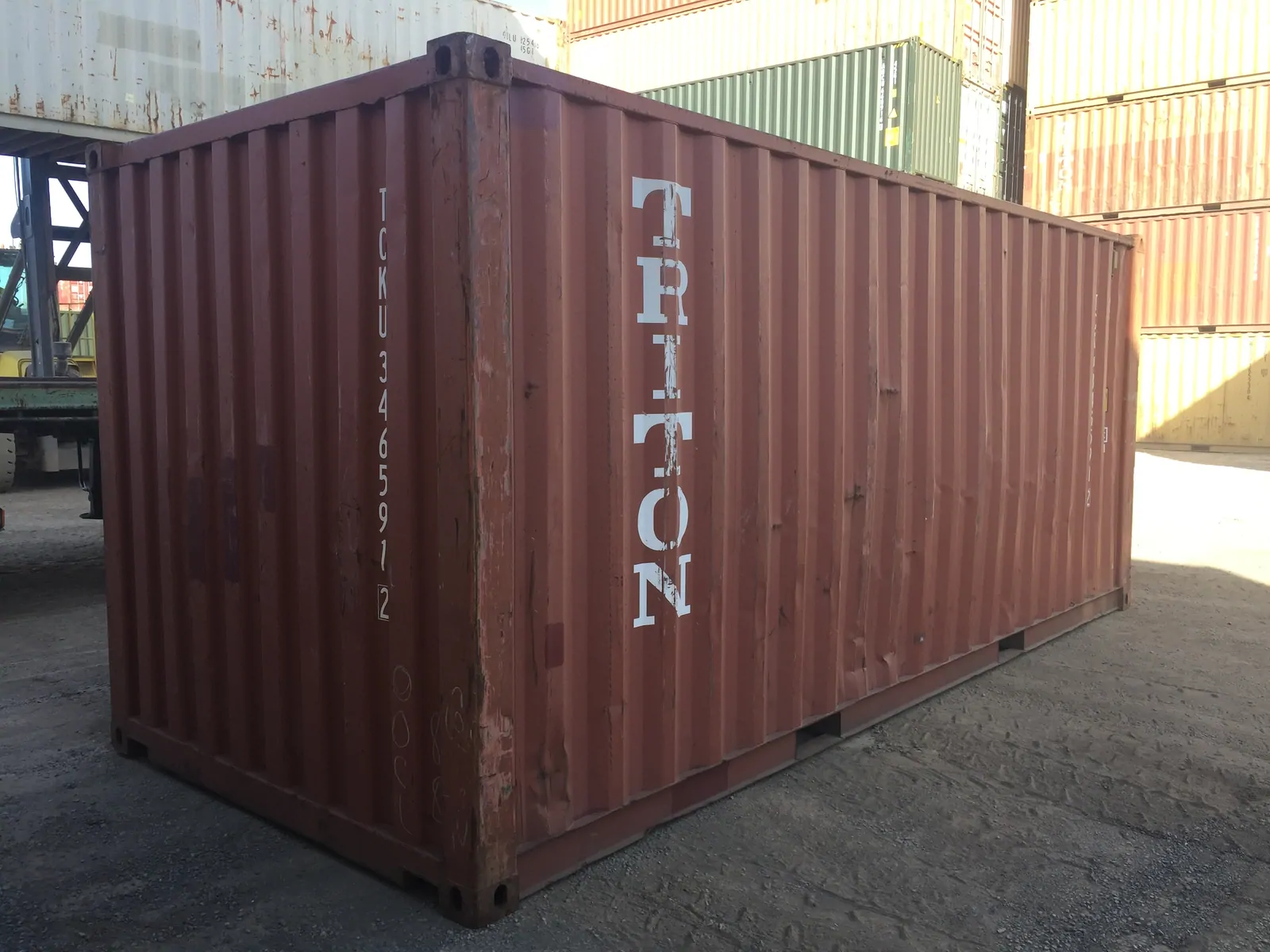
Townsville, QLD
Townsville is a long haul from the Lockyer Valley, so we work from northern stock where the grade and size line up, and say plainly when a unit has to come up from the south. What makes Townsville interesting is the ground rather than the trucking. The dry tropics bake to a surface that holds anything for eight months, then one storm turns it to slop.
What matters locally, first.
Around Townsville we deliver containers for secure storage for defence contractors and the trades that service them, tool and plant stores for civil and construction crews, spares and consumables at the port and marine services businesses, cattle and fencing gear on the grazing country inland toward Charters Towers, cane and machinery storage down in the Burdekin, chemical and fertiliser lockups, workshop overflow in the industrial estates, and cyclone-season storage for people clearing a yard before the season starts.
The defining feature of delivering here is what the dry tropics do to ground. For most of the year the surface bakes to something close to concrete, cracks open, and will carry a fully loaded truck across a paddock without a mark. Then the build-up arrives, a storm drops a serious amount of rain in an hour, and the same surface turns to slop that a rigid will sink into to the axles. There is very little middle ground. The practical consequence is that a Townsville delivery in October is a different job to the same delivery in February, on the same block, with the same truck. In the city itself, access is generally good. The industrial estates are laid out with trucks in mind, the arterials are wide, and the flatter northern and western suburbs present few problems for a tilt-tray. The trickier deliveries are around the older suburbs on the slopes near the hill, where streets narrow, driveways are short and steep, and the frontages were laid out long before anyone was reversing a rigid down them. Overhead power in the older streets sits lower than in newer estates, which matters when a container is going up on a tilt deck. Out of town the country opens up quickly. Blocks toward Woodstock, Giru and the Burdekin have space and long entries, and the constraint moves back to surface and to gates. Grids, culverts and single-lane bridges on rural access roads are worth mentioning before delivery day, because a grid rated for a tractor is not necessarily rated for a loaded rigid, and finding that out with a container on the back is nobody's idea of a good afternoon. Salt is a constant near the water and dust is a constant everywhere else, and between them they are hard on door seals and hinges. That is the part of a container that fails first up here, not the walls.
Grade moves the price more than size does, and it is what decides whether a unit is sold watertight — the full rundown is on the grades page.
The range
Guide prices in AUD, ex GST. Delivery is quoted with the container.
10ftThe side passage is narrow, the council setback leaves you nothing to play with, or all you need is somewhere lockable for a mower, a compressor and a rack of tools.
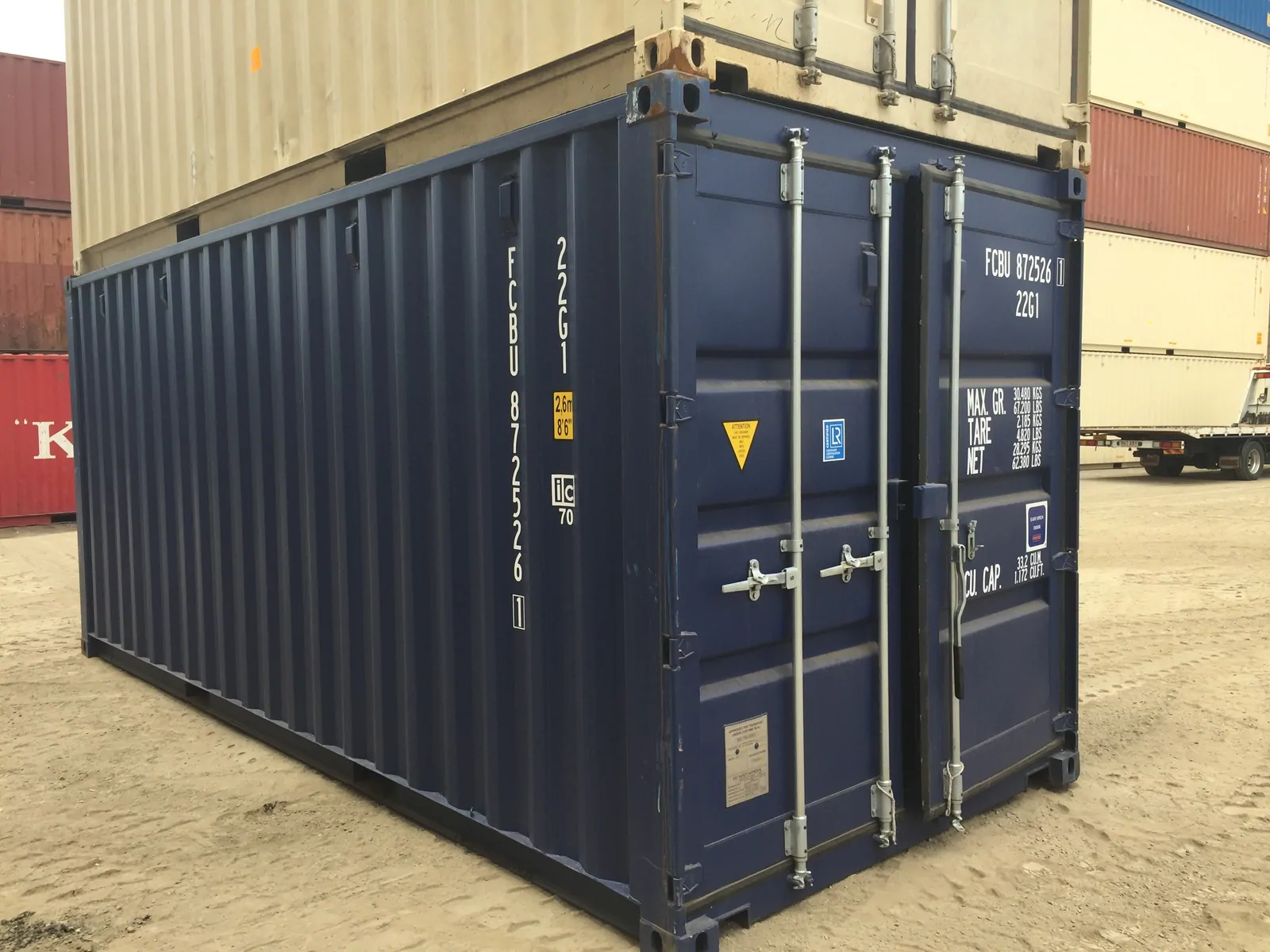 20ft
20ftYou have about seven metres of straight, reasonably level ground to put it on and you would rather not find out in six months that you should have gone bigger.
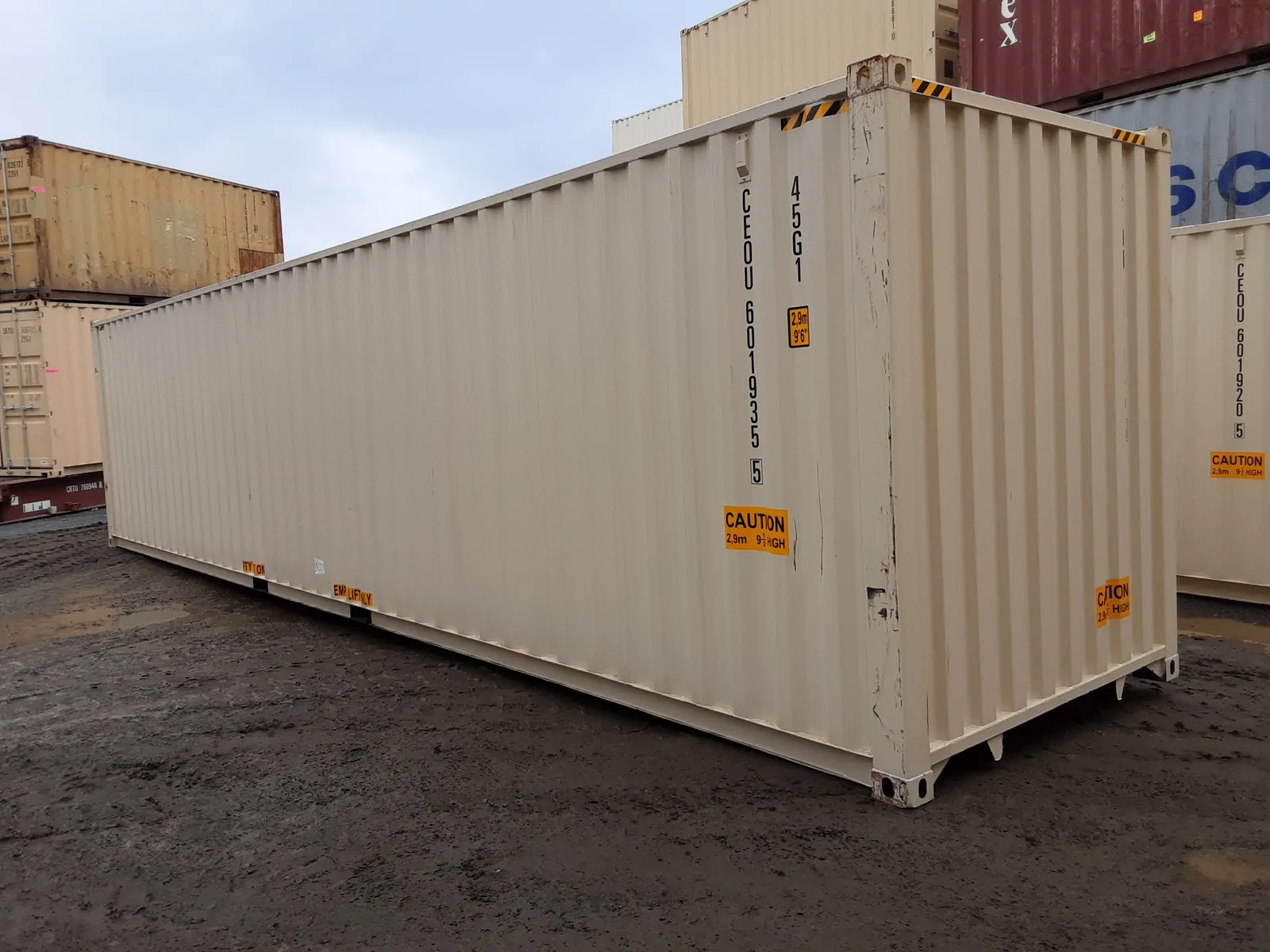 40ft
40ftYou have the room, the access is genuinely open, and you want the most storage per dollar available anywhere.
Townsville
People who have not lived in the dry tropics assume the wet season is the only rain risk. In practice it is the build-up storms that catch deliveries out, because they are localised, violent and over in an hour. Your street can get eighty millimetres while the airport records nothing. This is why we ask what the weather has actually done on your block rather than what the forecast said for the city, and why we would rather ring you the day before than send a truck into a paddock on someone's optimism.
For placement, the flip side of hard-baking ground is that it moves. Cracking clay opens up in the dry and swells shut in the wet, which means a container that was dead level in September can be sitting on three corners by March. It is not a disaster, but it puts the frame in a twist and doors that closed easily start to bind. Setting the unit on properly bedded blocks or a compacted pad, with the load spread under the corner castings, is what stops that. Check it after the first wet and pack it up if it has moved.
On the ground
An empty shipping container is a large steel sail and it weighs a lot less than people assume. In a serious wind event, an empty or lightly loaded unit can be moved, and it does not need to travel far to do damage. A loaded container is a very different proposition, but loaded is not a plan, it is a condition that happens to be true today. If a container is going to live on a site through cyclone season, the sensible approach is to think about how it is restrained and where it sits relative to things you care about, and to talk to an engineer if it is on a commercial site with obligations attached.
The same season brings the flooding question, and the answer is the same one we give everywhere. A container keeps rain out from above. It is not sealed against rising water, floodwater reaches the door seals and gets in, and an empty unit will float. The thing that keeps your contents dry is having the unit above where water has historically reached on your block. Placement solves this. The steel does not.
Worth knowing
Townsville's container demand is unusually broad because the economy is. There is a working port, a large defence presence with a long tail of contractors around it, a heavy civil and construction sector, agriculture on both sides of the city, and a marine services industry. What they have in common is a need for lockable, relocatable storage that does not require a development approval to put in a yard and can be sold or moved when the contract ends. For that pattern of use, buy for the mechanicals. Corner castings that are true, a frame with no twist in it, and doors that seal and swing properly are what makes a unit still worth owning after several relocations. Cosmetic rust on a panel is a paint problem. A racked frame is a permanent one. If you want to see exactly what is coming, ask for photos of the specific unit on request before delivery and we will send them.
We do not publish a delivery rate for this area, because a straightforward industrial drop and a tight residential one on the same street are not the same job. Ring and you will get an exact number.
The order of questions is always the same: what is it for, what grade does that need, and can a truck get in.
We also deliver to Ayr, Home Hill, Charters Towers, Ingham, Giru and the surrounding district. If your town is not on the list, ring — it almost certainly still works.
Common questions
It is worth thinking about seriously, particularly for an empty or lightly loaded unit. An empty container presents a large flat side to the wind and weighs far less than its size suggests, so it can be moved in a severe event. A well-loaded unit is much harder to shift, but you cannot rely on it staying loaded. Where it sits matters as much as any restraint: clear of what you would not want it hitting, and not somewhere it will become a problem for a neighbour. On a commercial site with obligations, get engineering advice rather than ours.
Usually yes for delivery, but not necessarily for the long term. Dry tropics clay bakes to something close to concrete and will carry the truck easily, then it swells and softens through the wet and the container settles unevenly. A unit sitting on three corners twists the frame and the doors start to bind. The fix is cheap and worth doing at the start: bed the unit on blocks or a compacted pad with the load spread under the corner castings, then check and re-pack it after the first proper wet.
Both are possible. Our own yard is at Forest Hill in the Lockyer Valley and anyone is welcome there during business hours if they ring first. For northern orders the unit usually sits at a depot much closer to you, and those inspections are by arrangement rather than drop-in, because the depots are working yards with their own access rules. Ring us, tell us when you can get there, and we will organise it. If you cannot get to a yard at all, we can send photos of the actual unit on request before delivery.
Generally one to two weeks, and the variable is where the right unit starts from. If northern depot stock matches what you need, it is at the shorter end. If the size, grade or spec has to come up from South East Queensland, it is at the longer end, and grouping it with other freight heading north is usually what makes that sensible. Through the wet, add room to the date. We would rather quote you a realistic window than a good-sounding one we have to walk back.
Get a price
We deliver to Townsville and the surrounding district. Tell us what is going in it and what the access is like, and you will get a price with the cartage worked out. Every enquiry answered within one business day.
Or skip the form and ring us — 0477 410 500, Mon–Fri 7:30am–5pm, Sat 8am–12pm