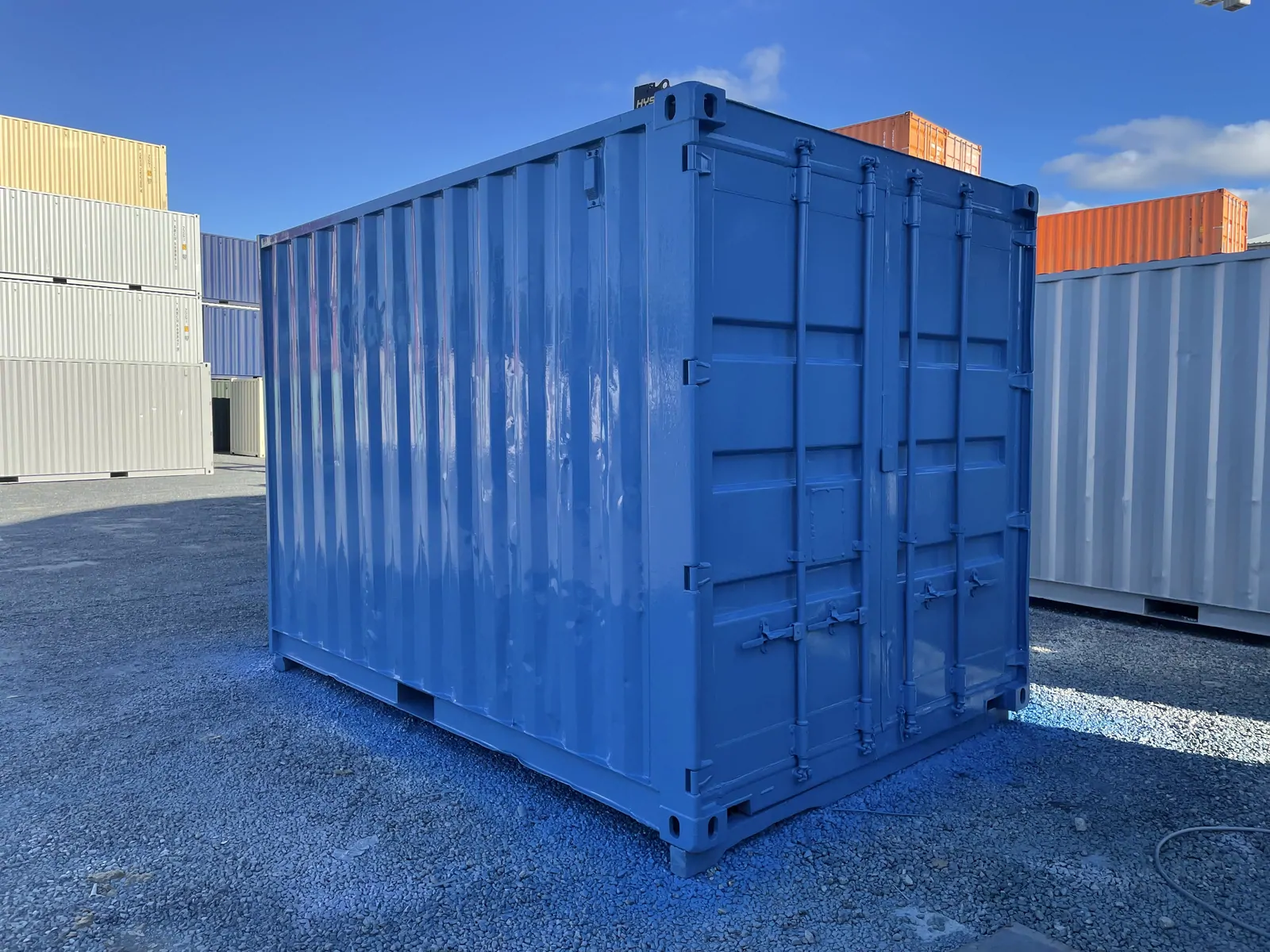
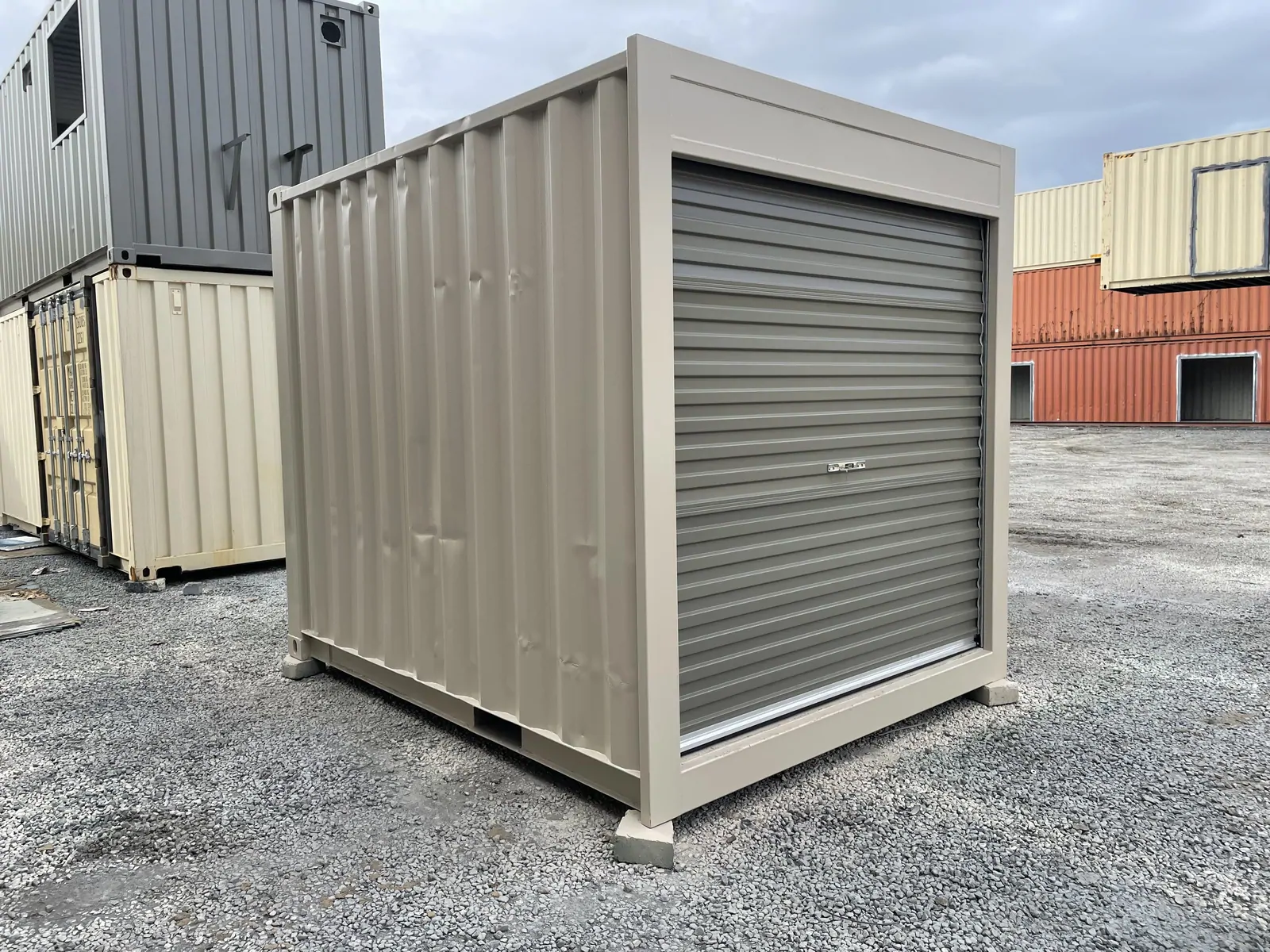
 10ft
10ft10ft Shipping Containers
The side passage is narrow, the council setback leaves you nothing to play with, or all you need is somewhere lockable for a mower, a compressor and a rack of tools.
Used from$4,350
New from$6,400
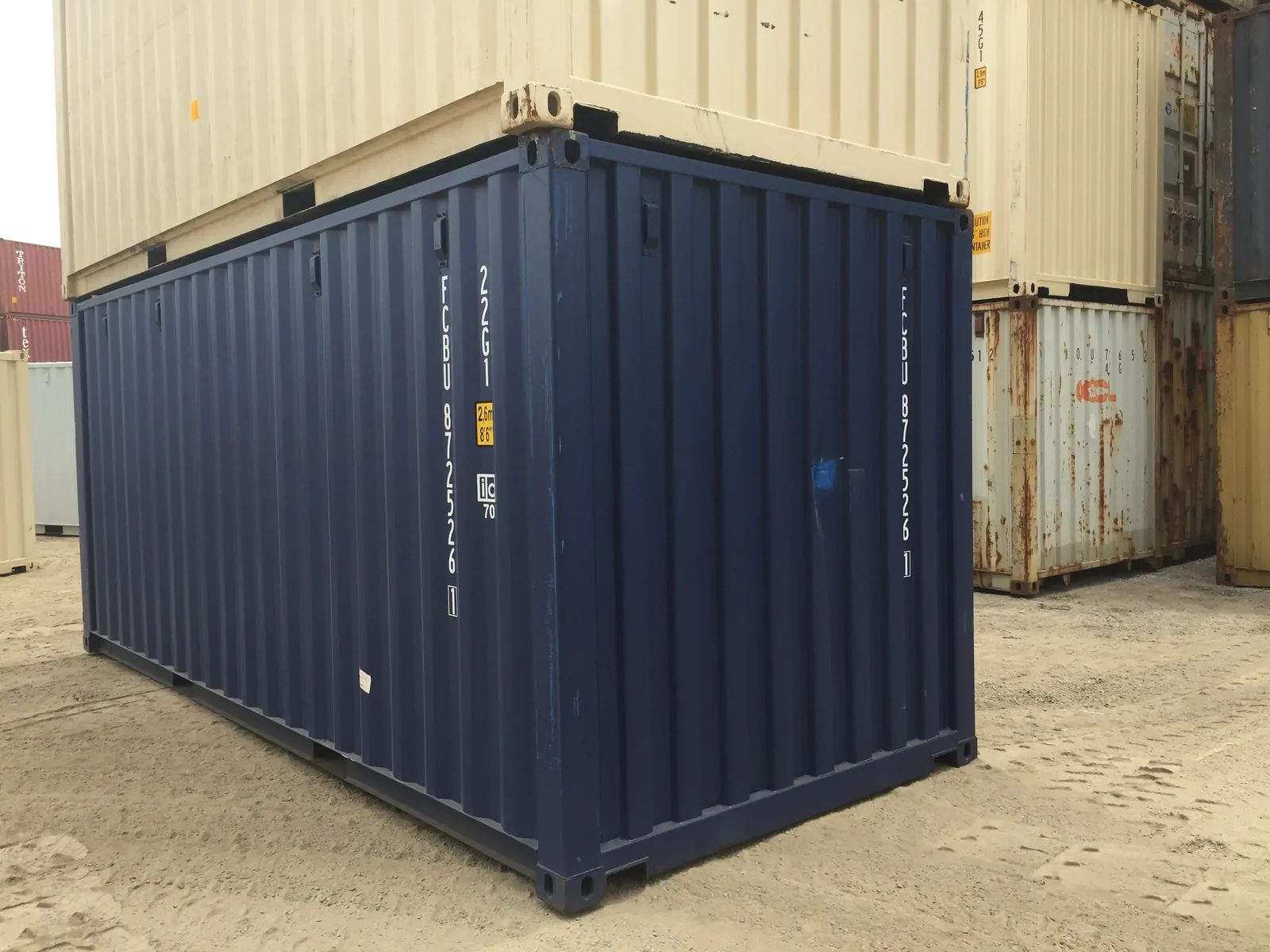
Esk, QLD
Esk is about forty-five minutes north of the yard, straight up the Brisbane Valley Highway, and it is genuinely different country to the Lockyer flats we load on. Ridges, timber, cattle and lifestyle blocks. The container is the easy part. Getting the truck to the right spot on the block is where the thinking goes.
Start here if you are working out what to order.
Around Esk we deliver containers for hay, feed and fencing gear on the grazing country either side of the valley, saddlery and stock equipment where the tack room has run out, quad bikes, side-by-sides and pumps kept out of the weather and under a lock, building materials on rural blocks where a house or shed is going up in stages, storage for the accommodation and tourism operators along the rail trail, and general lock-up on lifestyle acreage that has not got a shed yet.
Almost everything difficult about an Esk delivery happens in the last four hundred metres. The highway run is easy, sealed the whole way, no range crossing, a steady climb up the valley. Then the truck turns off onto a gravel road and everything changes. Rural driveways around Esk, Toogoolawah, Coominya and the country up toward the dam tend to come off ridge roads and drop away, sometimes sharply. A steep driveway is not automatically a problem, but a steep driveway with a tight bend in it usually is, because a tilt-tray needs to be square to the drop-off point and the tray angle has to work with the slope rather than against it. Delivering downhill onto a fall also means the container wants to keep going once it starts moving. We would rather place the unit at the top near the road, or on the first flat bench we find, than take a truck somewhere it cannot back out of. Cattle grids are the other classic. Most of them were built decades ago for a tractor and a stock truck and nobody has ever put a rating on one. If there is a gate beside the grid, we will use the gate. If there is not, tell us before the truck is loaded rather than when it is sitting at your entrance. Then there is timber. Ridge driveways here run through gums that have been there a lot longer than the driveway, and the branch that clears a stock crate by half a metre will not clear a raised tilt tray. Vertical clearance is the thing people forget to check, every single time. Gravel gets chewed up after rain and takes a while to come back, and the same wet spell that softens a paddock makes the drainage crossings on those roads rough enough to matter. A dry week is worth waiting for out here.
Grade moves the price more than size does, and it is what decides whether a unit is sold watertight — the full rundown is on the grades page.
The range
Guide prices in AUD, ex GST. Delivery is quoted with the container.
10ftThe side passage is narrow, the council setback leaves you nothing to play with, or all you need is somewhere lockable for a mower, a compressor and a rack of tools.
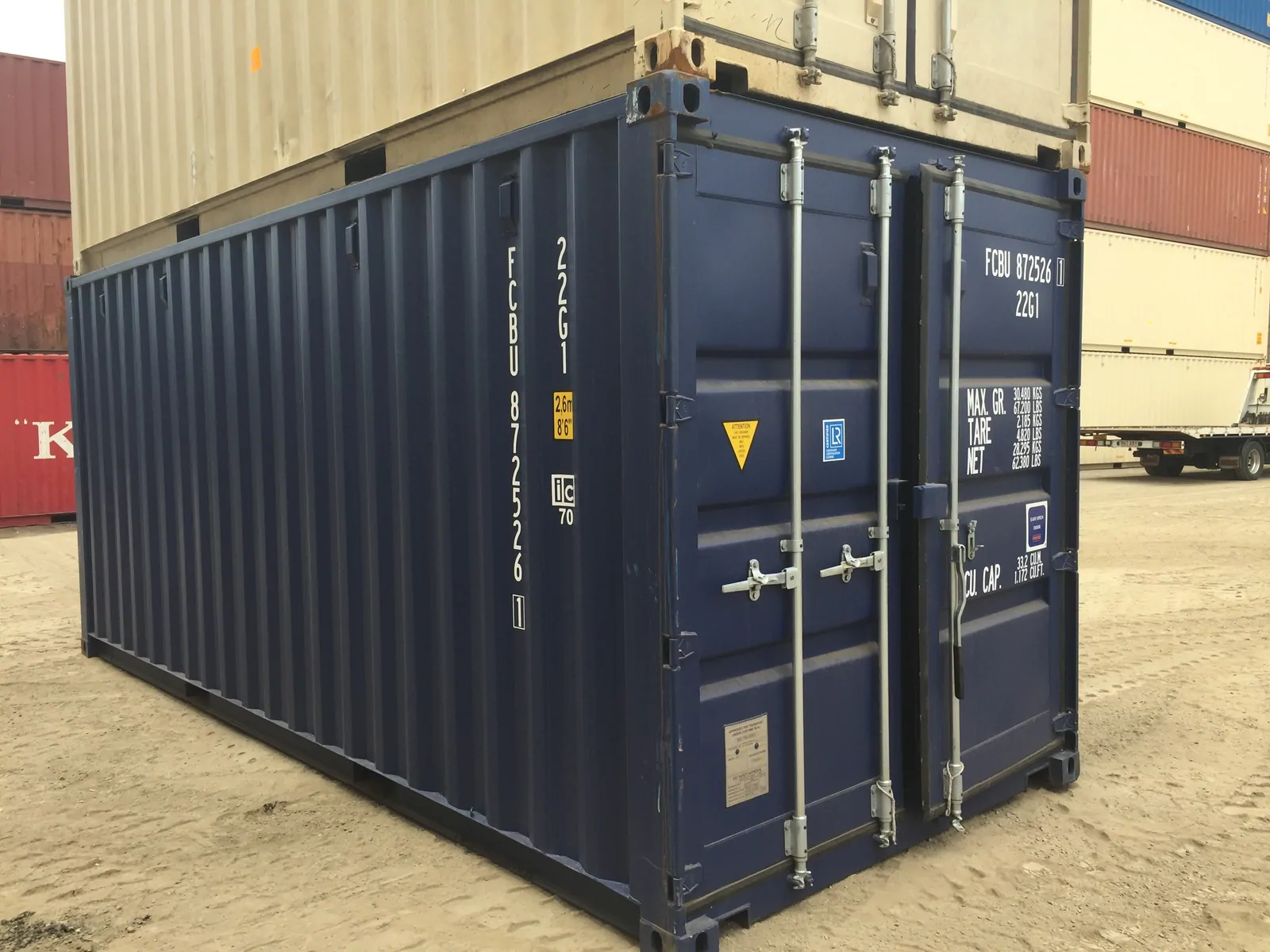 20ft
20ftYou have about seven metres of straight, reasonably level ground to put it on and you would rather not find out in six months that you should have gone bigger.
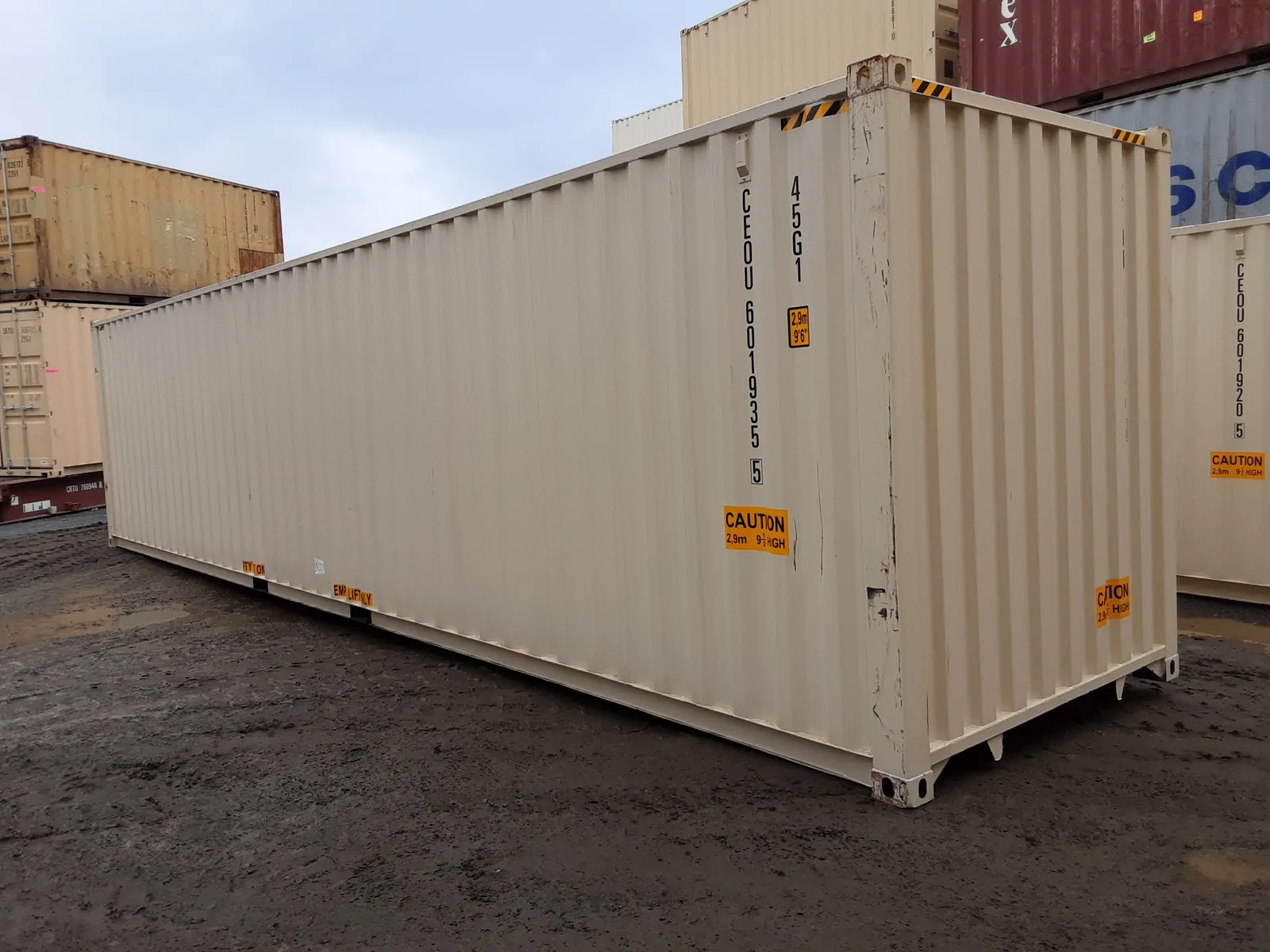 40ft
40ftYou have the room, the access is genuinely open, and you want the most storage per dollar available anywhere.
Esk
The pattern around Esk and up through the valley is familiar. Somebody buys forty acres, the house or the shed is a year or two away, and in the meantime there is fencing wire, a mower, a pump, tools, a chainsaw and half a demolished kitchen sitting under a tarp. A container solves that stage properly. It arrives complete, it locks, it does not need power, water, a slab or a builder, and it can be on the block before anything else is. The trick is to put it where it will still make sense in three years rather than where the truck could reach easily on the day, because moving it later means another truck.
Think about the finished layout first. Most people end up wanting the container near where the shed will eventually go, square to it, with a clear vehicle approach and the doors on the sheltered side. Keep it off any line where a driveway, a trench or a tank will eventually run, and leave enough space to walk right around it, because you will want to at some point and a container jammed against a boundary fence is impossible to maintain and a nuisance to shift. If the block has a rise on it, the top of that rise is almost always the right answer for drainage as well as for access.
On the ground
The valley cures off through spring and grass fires are a normal part of the year here, not an exception. A container is steel, so it will not burn, but that is not the same as being safe in a fire and we would never suggest it is. A grass fire running under and around a unit will take the paint, cook the door seals and can absolutely destroy what is inside, because a closed steel box in a fire front becomes an oven long before anything catches alight. Treat it the way you would treat any structure on the block. Keep the grass down around it, keep it clear of a timber line and out of a fuel-loaded gully, and do not park it anywhere you would not put a shed. Clearance is worth more than anything you can buy with the container, and it costs an hour with a slasher.
Worth knowing
Grazing blocks up the valley use containers mostly for the same short list. Baled hay and feed, fencing gear, water fittings, drench and vet supplies, tools, and the bikes and side-by-sides that are too valuable to leave in an open bay. All of it goes in well, with one condition. It has to go in dry. Hay put away with any moisture still in it will sweat inside a closed steel box, and in a valley that fogs most winter mornings there is already plenty of moisture in the air to work with.
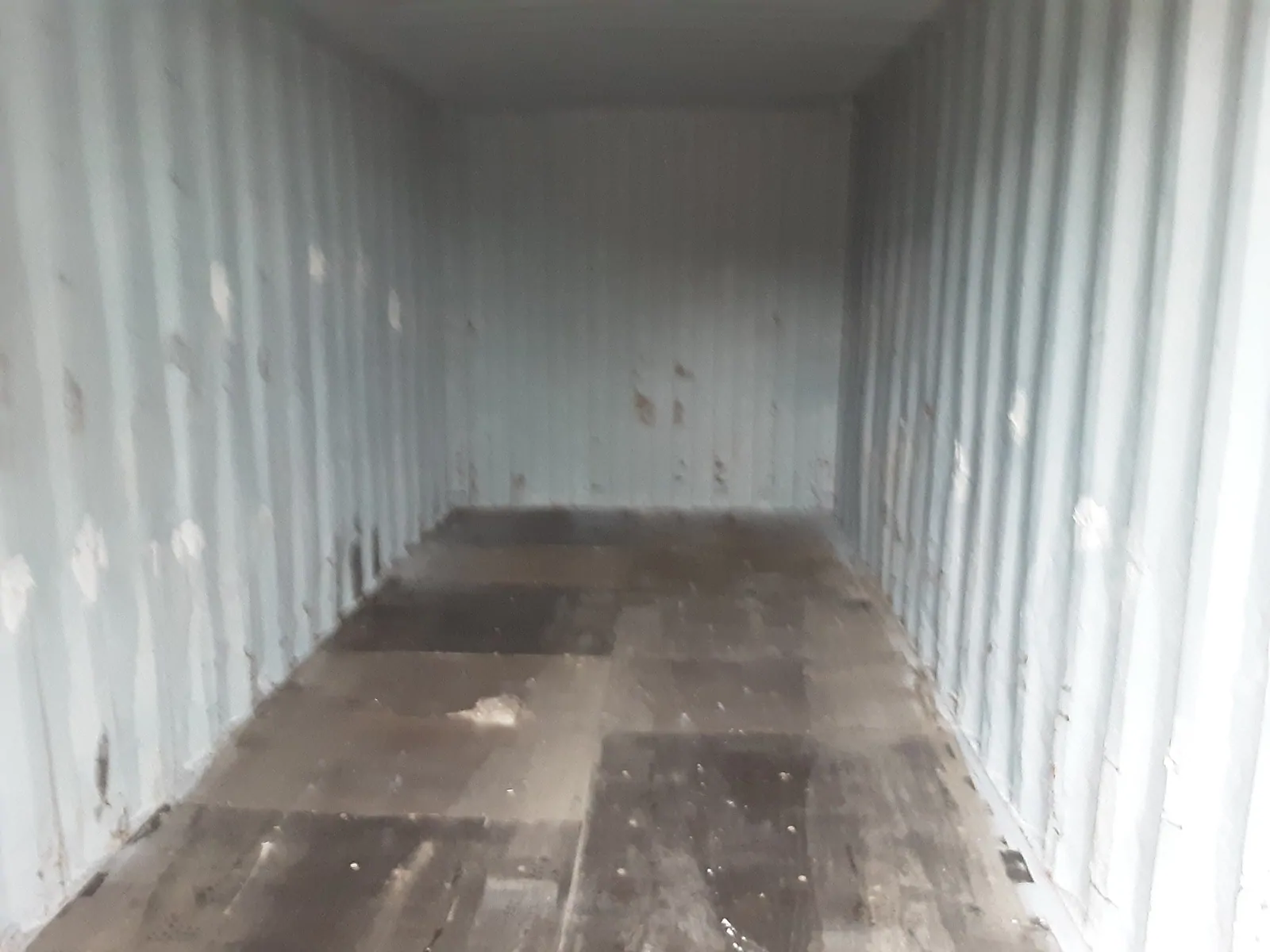
Rodents are the other constant. A container that is level, with door seals in one piece and no rust holes along the floor line, is a much harder proposition for mice and rats than a pole shed with a gap under every sheet. But a unit sitting crooked on soft ground opens a gap at one corner, and that is all they need. Set it on sleepers or pads at the four corners, check it once after the first wet season, and pack it so there is air around the stack rather than filling it to the roof. A pallet on the floor under anything valuable is cheap insurance in a place where the ground stays damp for months.
The cartage component depends on which depot the unit comes out of and what the site needs. We work it out with the quote.
Tell us the job rather than the product. What goes in, where it sits and how the truck gets there decides the rest.
We also deliver to Toogoolawah, Coominya, Lowood, Fernvale, Harlin and the surrounding district. If your town is not on the list, ring — it almost certainly still works.
Common questions
Usually, with a look at it first. Slope on its own is manageable. Slope with a bend in it is the problem, because a tilt-tray has to be square to the spot and the tray angle has to work with the fall rather than against it. Delivering downhill also means the unit wants to keep moving once it starts to slide. Often the sensible answer is to place it on the first flat bench off the road rather than at the bottom. Send photos of the driveway from both ends before the truck is loaded and we will tell you honestly.
It is one of the main reasons people out this way buy one. It arrives complete, it locks, and it needs no power, water or slab, so it can be on the block before anything else is. Put it where it will still make sense once the house and shed are up rather than where the truck could reach most easily on the day, because moving it later means another truck. Leave room to walk right around it, and keep it off any line where a driveway, trench or tank will eventually run.
Yes, all of it, and it is the same road for most of the way. The Brisbane Valley Highway carries our trucks from the Lockyer up through Fernvale and Lowood and on to Esk and Toogoolawah, so those places sit on a straightforward route. Harlin and the country further up takes a bit longer but is no harder. As always the last few hundred metres decide the day rather than the highway, so the useful information is about your gate, your driveway and what is overhead, not about the distance.
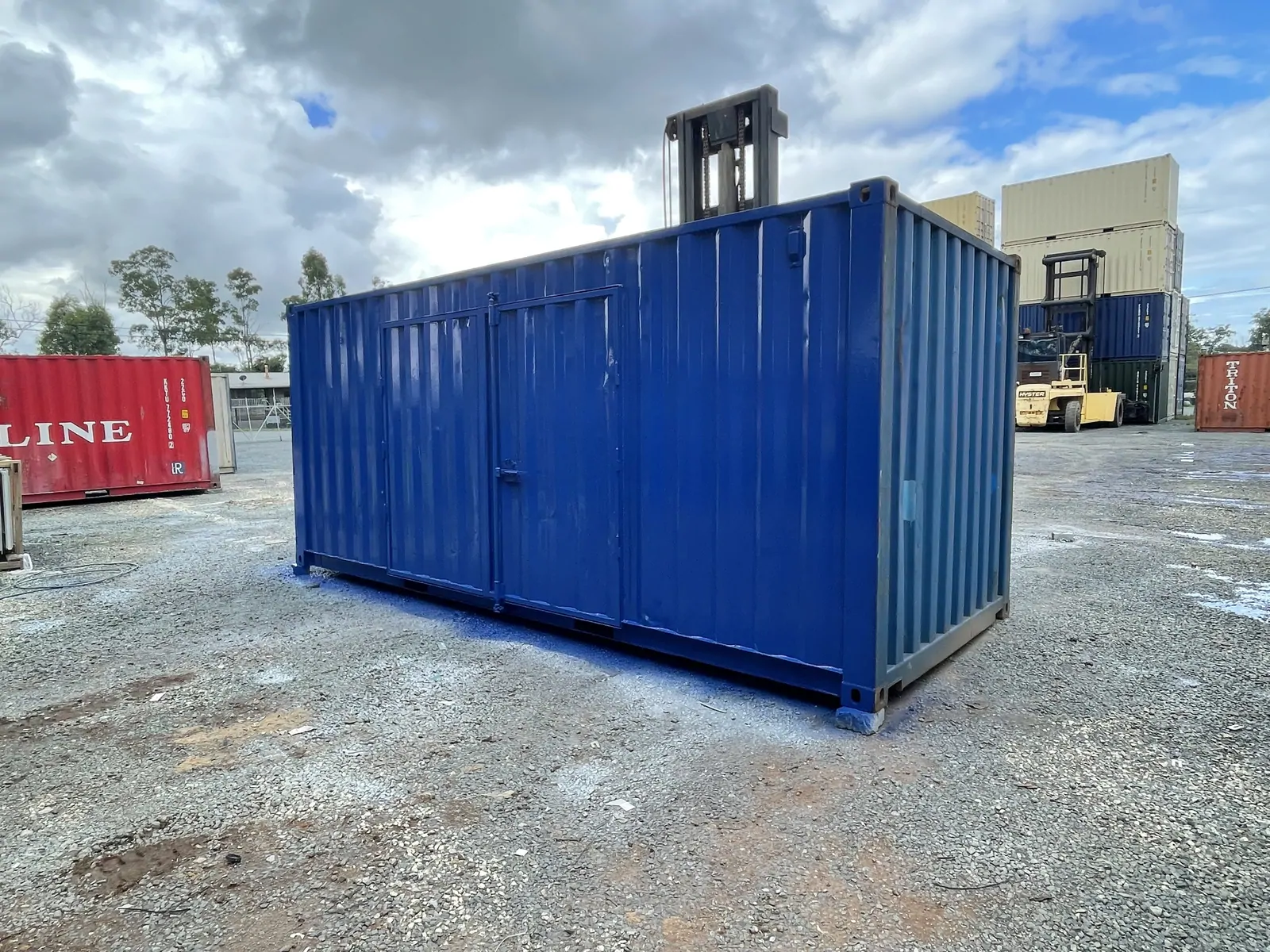
Gravel is fine, and so is bare ground, as long as the four corners are supported and roughly level. A slab is not required and is rarely worth pouring just for a container. What matters is that the corner castings sit on something that will not sink: hardwood sleepers, concrete pads or well-bedded blocks, set on ground scraped back to firm material rather than on topsoil. On a slope you build the low side up rather than digging the high side out, and you check it again after the first wet season.
Get a price
We deliver to Esk and the surrounding district. Tell us what is going in it and what the access is like, and you will get a price with the cartage worked out. Every enquiry answered within one business day.
Or skip the form and ring us — 0477 410 500, Mon–Fri 7:30am–5pm, Sat 8am–12pm