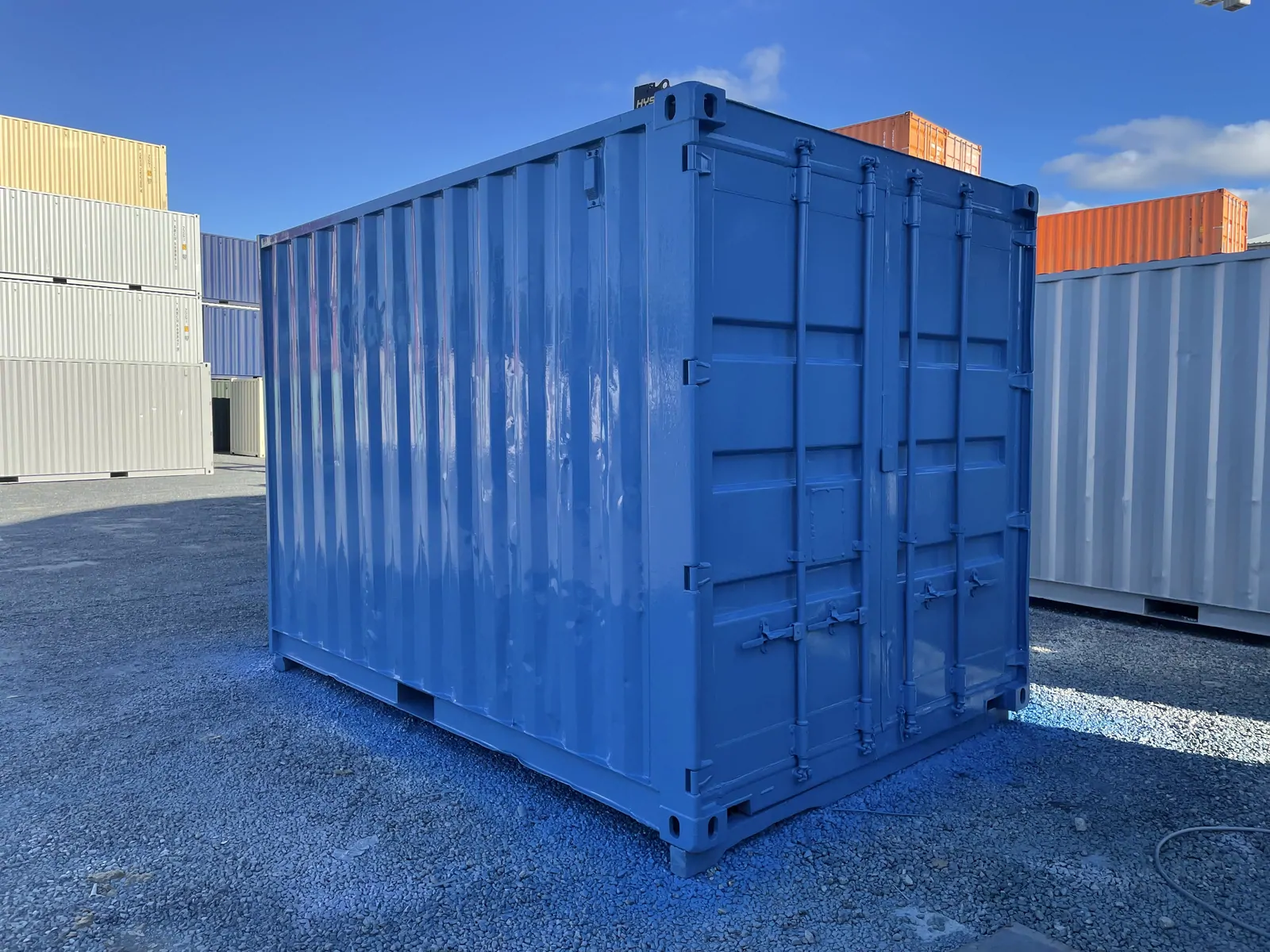
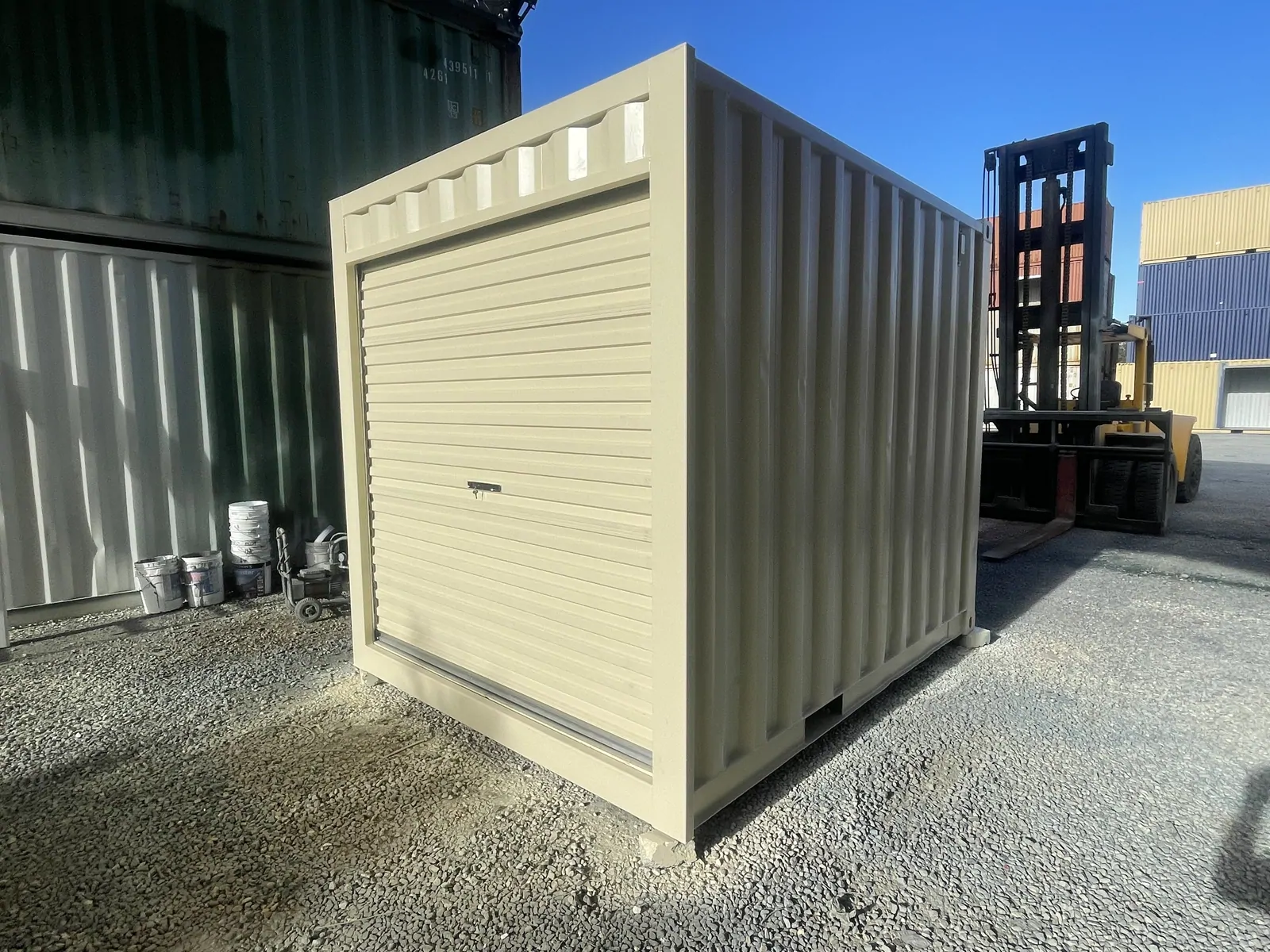
 10ft
10ft10ft Shipping Containers
The side passage is narrow, the council setback leaves you nothing to play with, or all you need is somewhere lockable for a mower, a compressor and a rack of tools.
Used from$4,350
New from$6,400
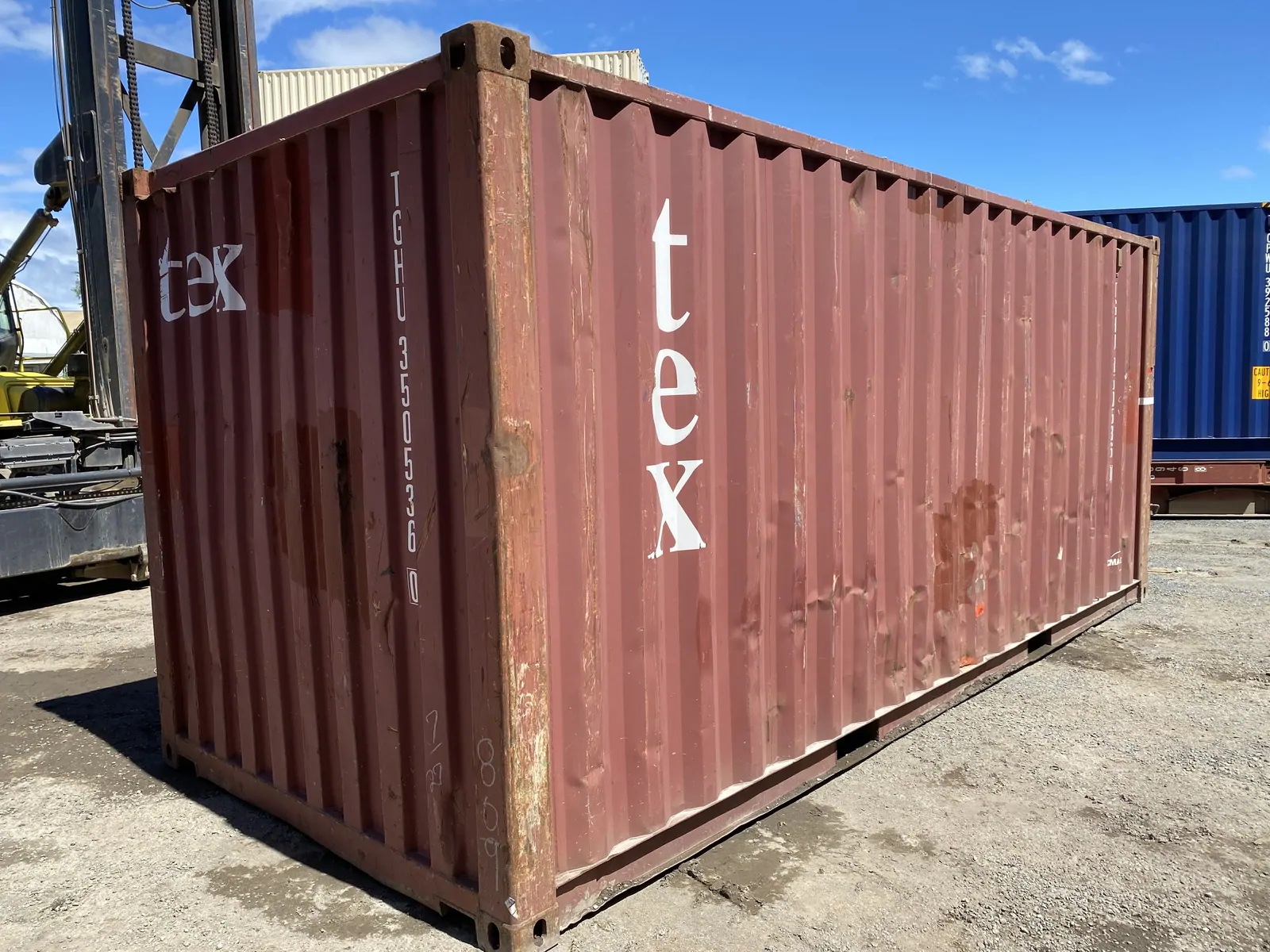
Bundaberg, QLD
Bundaberg is the closest of our northern runs and the easiest to service properly. It is a straight trip up the Bruce, so lead times here look more like the south than like Cairns. What makes Bundy its own job is the ground: cane and small crop country inland with real substance to it, and sandy coastal blocks that lie about how much weight they will take.
Start here if you are working out what to order.
Around Bundaberg we deliver containers for chemical, fertiliser and irrigation fittings on the cane blocks, crates, bins and picking gear for the small crop and macadamia growers, tractor and implement spares, secure trade storage in town, boat and fishing gear on the coastal blocks, storage for gear that needs to sit above where the Burnett has reached before, tool stores on building sites, and general dry storage on rural blocks where the shed ran out of room a long time ago.
Bundaberg divides into three delivery environments and they behave completely differently. In town, the streets are generous by regional standards and most residential deliveries are a straightforward tilt-tray job, provided there is a clear run at the drop point and nothing overhead. The industrial areas are easy, with hardstand and room for a side loader to work a 40ft properly. The farming country inland and to the south is the volume of the work. Cane blocks, small crop farms and macadamia country have long entries, wide gates and generally well-formed tracks, and a 40ft on a side loader fits into that world without drama. The catch is the same as anywhere with irrigation: soft edges where water has been running, headland drains hidden under grass, and low crossings on farm tracks that are fine in July and not in January. Harvest also puts a lot of slow, wide machinery on the district's roads, which does not stop a delivery but does affect what time of day it should happen. Out toward Bargara, Moore Park and the coastal strip, the ground turns sandy. It looks firm, drains well after rain and generally carries a truck fine on a formed driveway, but off the formed surface it can be very soft indeed, and a rigid that puts a wheel onto a nice-looking lawn will find the sand underneath. The other coastal issue is the blocks themselves, which are often smaller, closer together and fenced tight, so getting a 20ft into a back yard sometimes means a lift rather than a slide. The country closer to the river carries silt and heavier soils that hold water for days after decent rain, and that is where a delivery gets moved rather than forced.
Grade moves the price more than size does, and it is what decides whether a unit is sold watertight — the full rundown is on the grades page.
The range
Guide prices in AUD, ex GST. Delivery is quoted with the container.
10ftThe side passage is narrow, the council setback leaves you nothing to play with, or all you need is somewhere lockable for a mower, a compressor and a rack of tools.
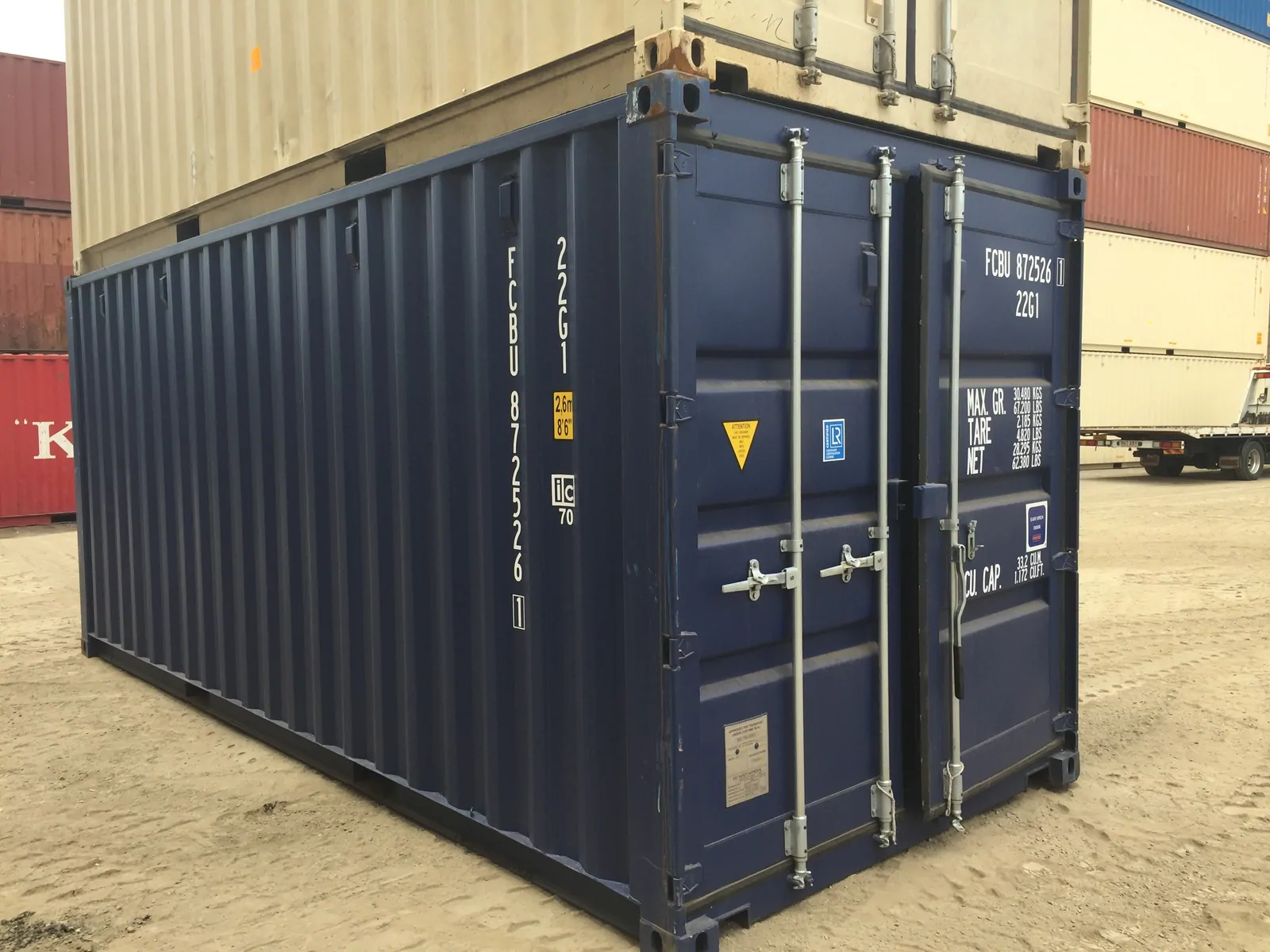 20ft
20ftYou have about seven metres of straight, reasonably level ground to put it on and you would rather not find out in six months that you should have gone bigger.
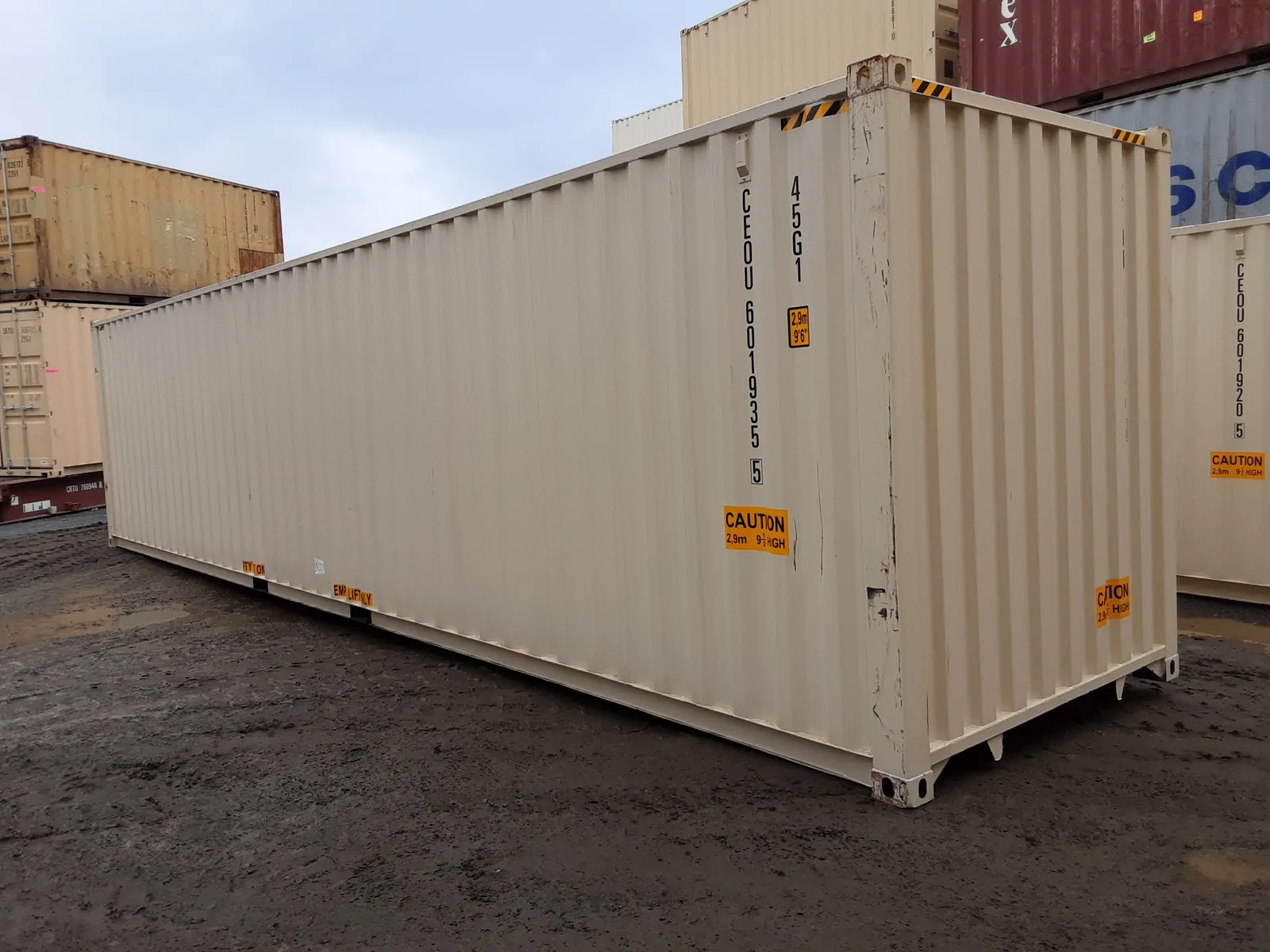 40ft
40ftYou have the room, the access is genuinely open, and you want the most storage per dollar available anywhere.
Bundaberg
Bundaberg has been through serious flooding and people here do not need a lecture about it. What is worth being clear about is the limit of what a shipping container does. It is an excellent lockup and it keeps rain off from above. It is not sealed against rising water. Floodwater reaches the door seals and gets in, and an empty container has enough buoyancy that deep water will lift it and move it somewhere you did not choose.
What genuinely protects the things inside is elevation. A unit sitting above the level water has reached on your block keeps its contents dry, and that is the whole of the benefit. It makes placement the most important decision in the whole purchase for anyone on low ground here, and it is worth spending time on rather than putting the container where it happens to be convenient. Tell us what your block did in the bad years and we will work the placement around that, including whether it is worth sitting the unit up on blocks.
On the ground
The Burnett grows a genuinely wide range of things, and that variety shows up in what people store. Cane blocks want somewhere secure and dry for chemical, drums, irrigation fittings, fencing and spare parts. Small crop and horticulture operations want crates, bins, netting, picking gear and packing supplies out of the weather and out of the way between seasons. Macadamia growers want somewhere for harvest gear that sits idle most of the year.
What all of that has in common is that it is seasonal, bulky, and worth money. A container handles it well and does not require a slab, an approval process or a builder. The one job it is poor at is bulk grain or bulk anything loose, because the side walls are corrugated sheet built for racking and torsion, not for tonnes of loose material pressing outward. Bagged, drummed, crated and palletised is what a container is for.
Worth knowing
The soil difference between the coastal strip and the river country changes what has to go under the unit. On sand, the problem is not drainage, it is bearing: the surface is loose, it moves under a point load, and a container's weight goes almost entirely through four corner castings. Pads or bearers that spread that load across a wider footprint stop the corners burying themselves over the following year. On the heavier river soils the issue reverses and becomes drainage, because a unit sitting in a spot that stays wet will have its floor rails in water for days after rain, and that is where corrosion starts. Both problems have the same cheap answer, which is to decide what goes under the unit before it turns off the road rather than after it has settled. Concrete pads, heavy hardwood bearers or well-compacted road base under each corner spread the weight and keep the container out of standing water. Get it level at placement and check it again after the first proper wet, because a container that has gone out of square is not obvious to look at. What you notice is a door that used to close easily and now needs a shoulder, and by then the frame has already taken the twist.
The cartage component depends on which depot the unit comes out of and what the site needs. We work it out with the quote.
Describe the spot it has to land on and we will work backwards from there to the container and the truck.
We also deliver to Bargara, Childers, Gin Gin, Woodgate, Moore Park Beach and the surrounding district. If your town is not on the list, ring — it almost certainly still works.
Common questions
Yes, and it is the only thing that does. A container is not sealed against rising water. Floodwater gets in at the door seals and an empty unit will float and move once water is deep enough, so the steel is not what protects your gear. Height is. A container placed above the level the Burnett has historically reached on your block keeps its contents dry, and that makes placement the most important decision in the purchase. Work it out from what your block actually did in the bad years, not from a general rule.
Two things affect it. Through the summer storm months the heavier soils closer to the river hold water for days after rain, and a loaded truck on that ground will bog and cut ruts, so those dates get moved rather than forced. Then there is harvest, which puts a lot of slow and wide machinery on district roads. That does not stop a delivery, but it changes what time of day makes sense, and coordinating around it is easier if we know the farm is in the middle of a run.
Plenty are, and for drummed and bagged product in a locked, dry, shaded box it works well. Two things to get right. Ventilation, because a sealed steel box in Bundaberg summer heat builds temperature and fumes, and extra vents are worth fitting from the start. And segregation, because chemical storage carries real obligations around what can be stored with what, bunding and labelling, and those rules come from the product and your own requirements, not from us. Set it up properly and check what the labels require before you load it.
Something that spreads the load. Sand drains beautifully and it looks solid, but almost the entire weight of a container goes down through four corner castings, and on loose sand those corners will work their way in over a season and put the frame out of level. Concrete pads, heavy timber bearers or well-compacted road base under each corner sorts it. Get it level at placement and check it after the first wet, because doors that bind are almost always a levelling problem rather than a door problem.
Get a price
We deliver to Bundaberg and the surrounding district. Tell us what is going in it and what the access is like, and you will get a price with the cartage worked out. Every enquiry answered within one business day.
Or skip the form and ring us — 0477 410 500, Mon–Fri 7:30am–5pm, Sat 8am–12pm