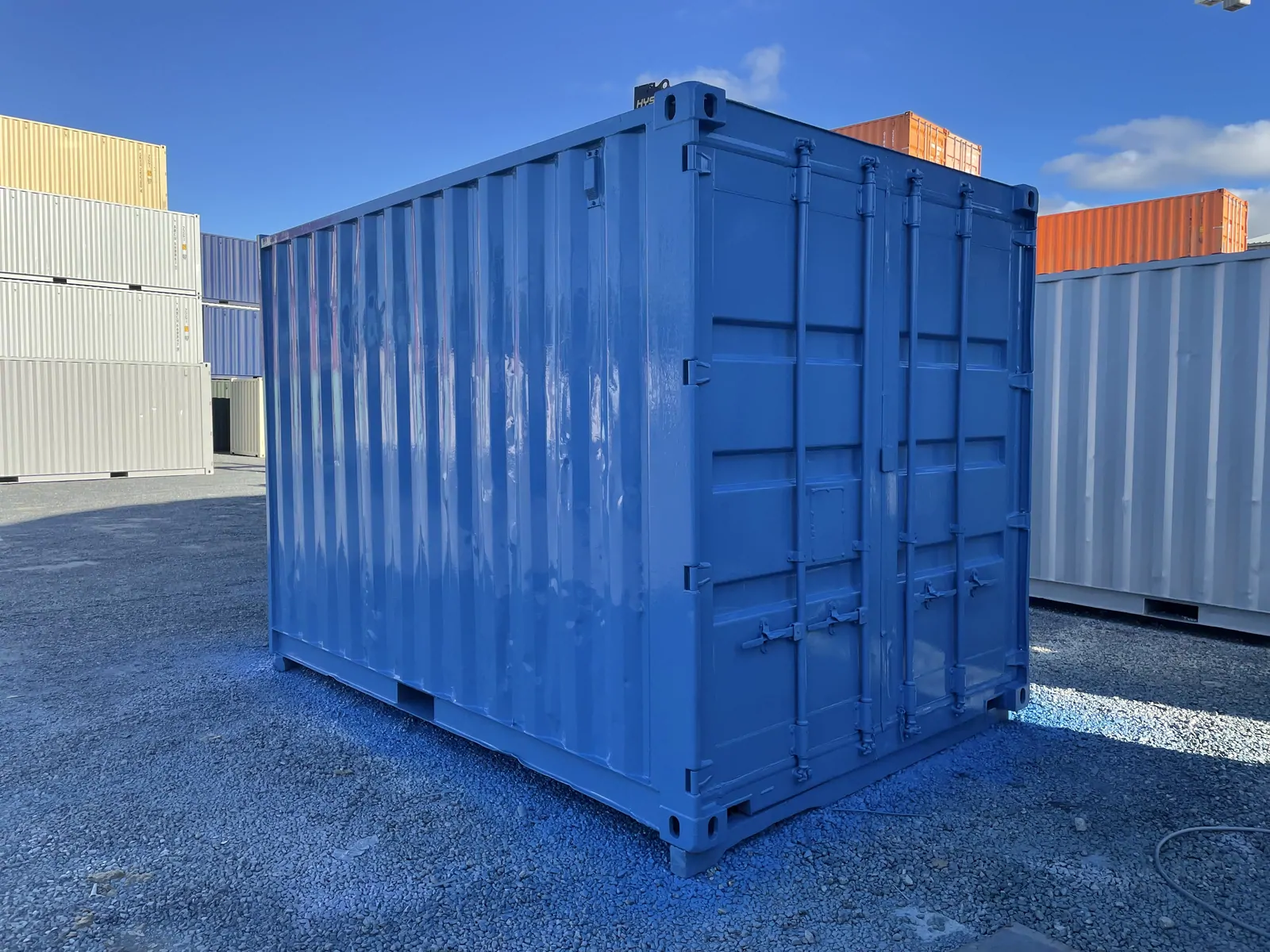
 10ft
10ft10ft Shipping Containers
The side passage is narrow, the council setback leaves you nothing to play with, or all you need is somewhere lockable for a mower, a compressor and a rack of tools.
Used from$4,350
New from$6,400
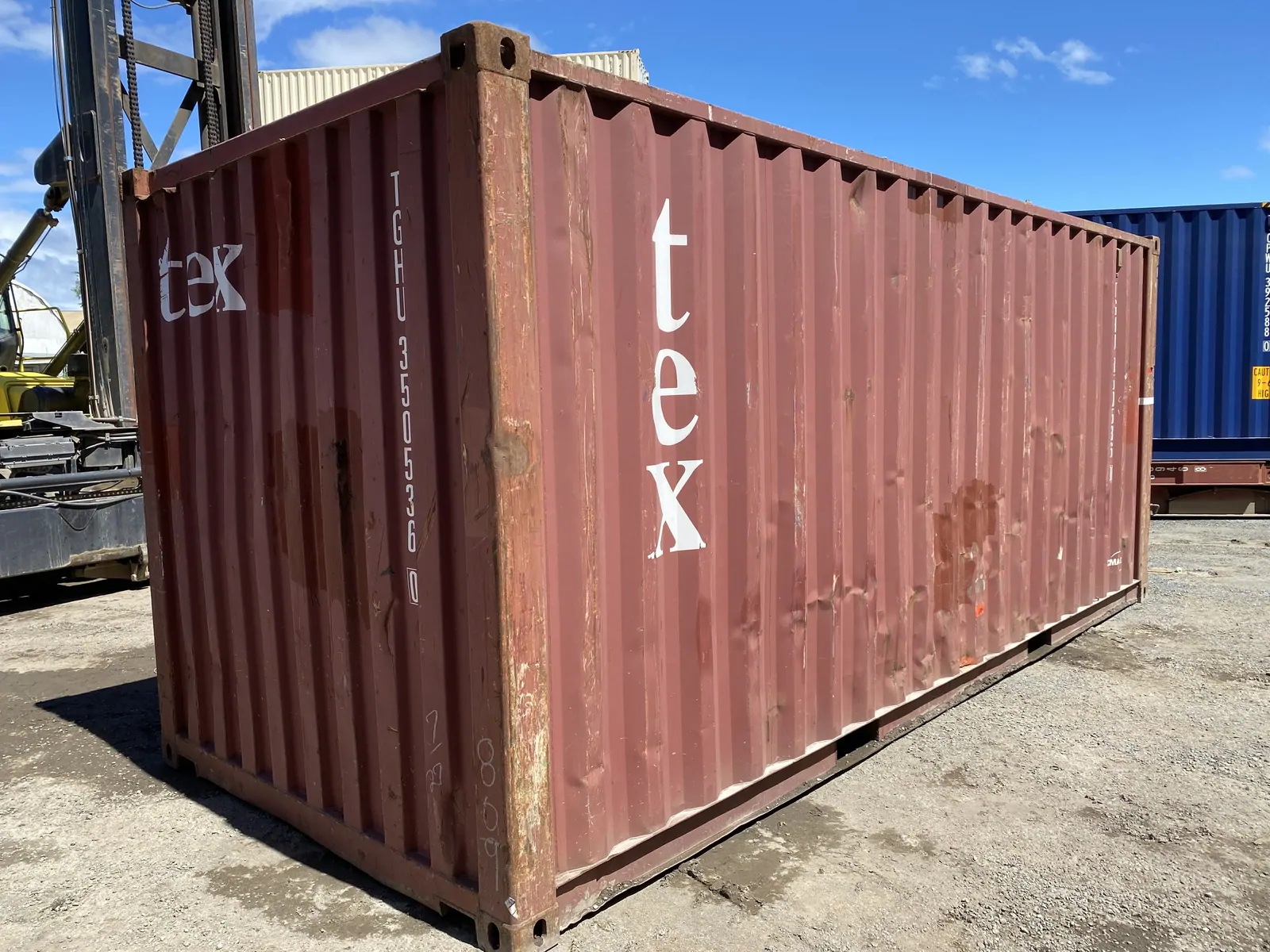
Gladstone, QLD
Gladstone is an industrial town and it buys containers like one. Most enquiries here are about site storage, laydown yards and secure lockups on a project, not a box in a back yard. The easy part is access, because industrial estates are built for trucks. The hard part is timing, because demand here moves in waves and the wave everyone forgets about is shutdown season.
Start here if you are working out what to order.
Around Gladstone we deliver containers for site storage and secure lockups on refinery, port and construction projects, tool stores and consumable cribs for maintenance contractors, laydown yard storage during shutdowns, workshop overflow at engineering and fabrication shops, marine and dive gear near the harbour, spare parts on rural blocks out toward Calliope and Miriam Vale, and general trade storage for the electricians, riggers and boilermakers who work the plants.
Delivery into Gladstone's industrial areas is about as straightforward as it gets. The estates around the port and the industrial precincts have wide roads, big turning circles and hardstand that will hold a loaded rigid without argument. A side loader with a 40ft on it works comfortably in that environment, and most yards can take a unit placed exactly where it is wanted rather than approximately. The complications are site rules rather than terrain. Controlled industrial sites have their own induction, escort and permit requirements, and a truck that turns up without the paperwork sorted sits at the gate. That is not a delivery problem, it is a scheduling problem, and it is solved by knowing before the truck leaves who signs the driver in, what the site needs to see, and what hours the gate actually accepts deliveries. We would rather ask those questions a week out than have a driver on the phone at a boom gate. Residential Gladstone is a different exercise. The older suburbs climb, and some of the streets on the hills are steep enough that a tilt-tray needs the right approach angle to unload without grounding. Newer estates on the flatter ground out toward Kirkwood and Calliope are easier, though the usual new-estate issues apply: narrow carriageways, parked trades utes, soft verges and a kerb the truck should not be putting a wheel over. Out of town the country toward Miriam Vale and Agnes Water turns sandy and drains fast, which is good news after rain but means loose surfaces on any slope. Closer to the coast, salt is the constant, and it is the reason we push people here toward a better grade of unit than they would need inland.
Grade moves the price more than size does, and it is what decides whether a unit is sold watertight — the full rundown is on the grades page.
The range
Guide prices in AUD, ex GST. Delivery is quoted with the container.
10ftThe side passage is narrow, the council setback leaves you nothing to play with, or all you need is somewhere lockable for a mower, a compressor and a rack of tools.
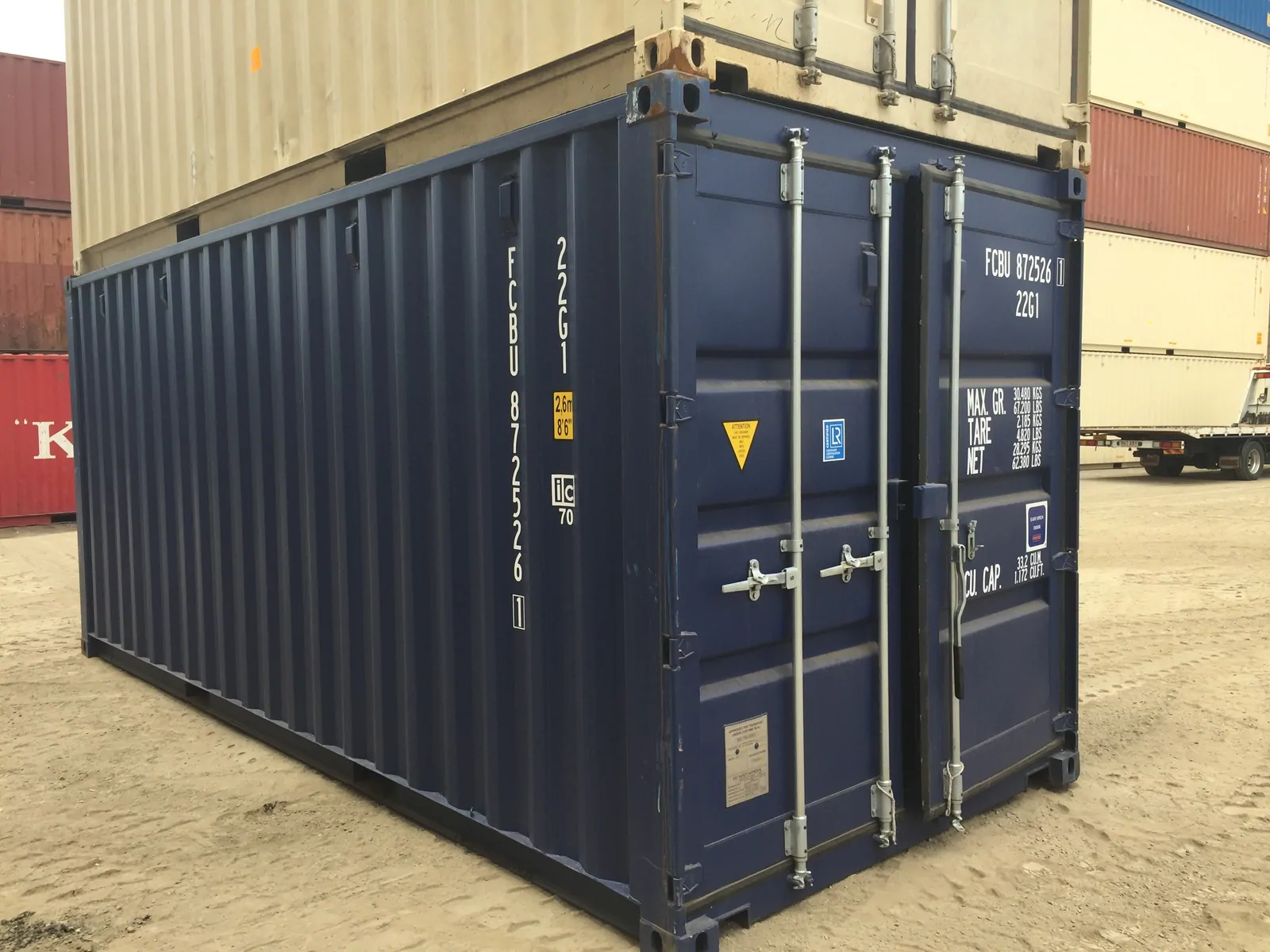 20ft
20ftYou have about seven metres of straight, reasonably level ground to put it on and you would rather not find out in six months that you should have gone bigger.
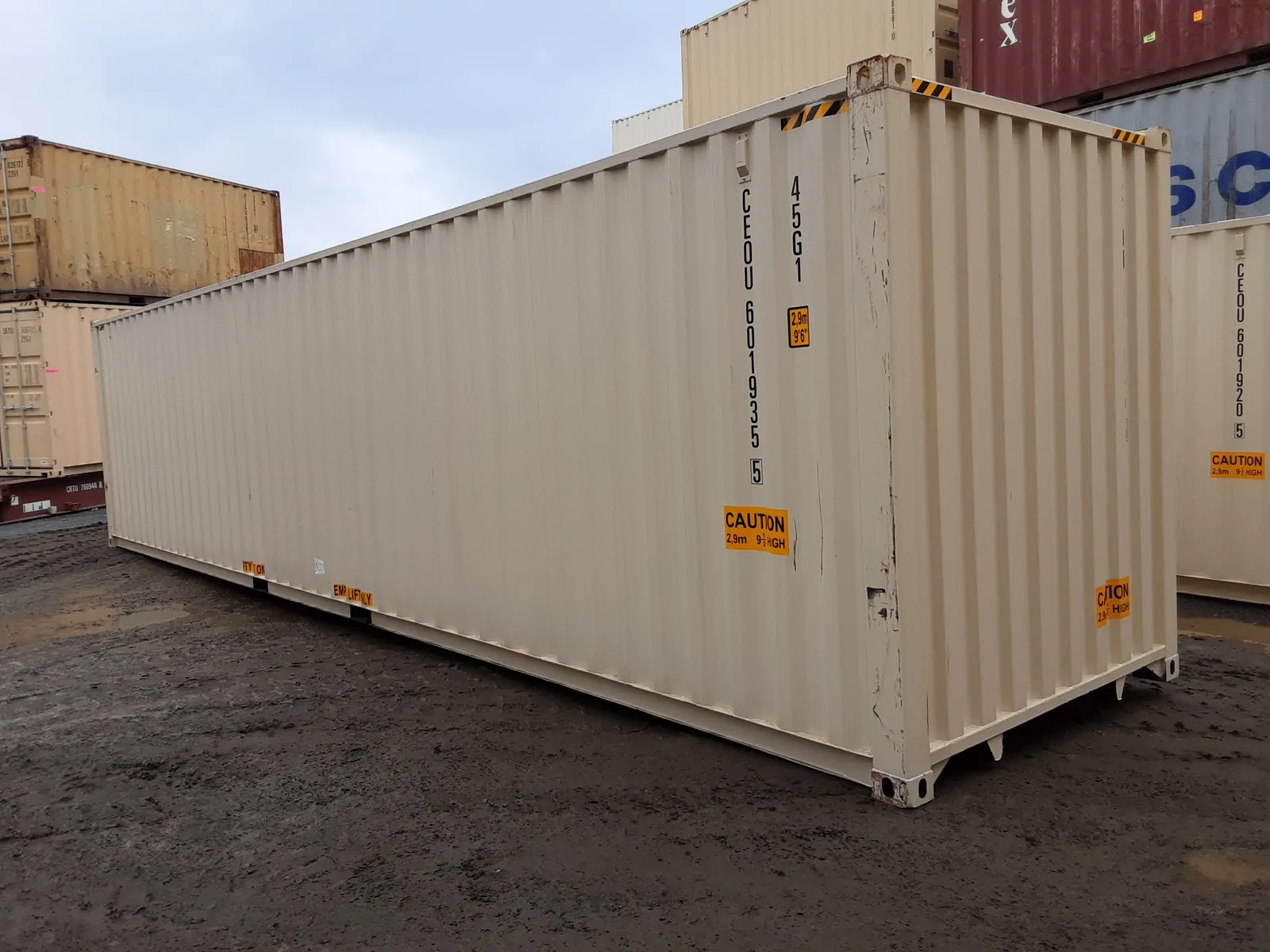 40ft
40ftYou have the room, the access is genuinely open, and you want the most storage per dollar available anywhere.
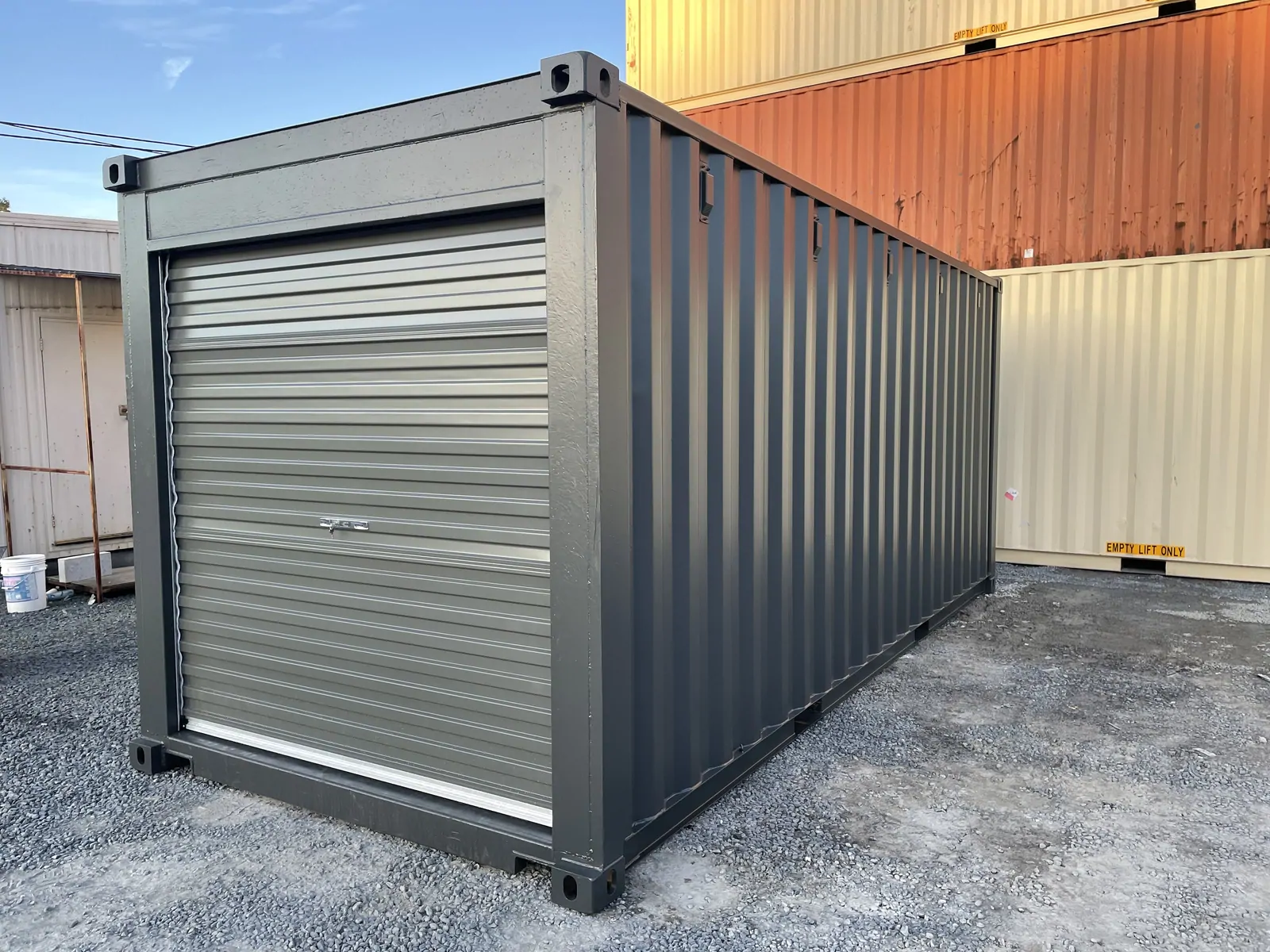
Gladstone
Gladstone's demand for storage is not steady. When a plant goes into a major maintenance shutdown, several hundred extra people arrive with tooling, spares, consumables and safety gear that all has to live somewhere secure for a few weeks or a few months. Every contractor on that job needs the same thing at the same time, and they all start ringing around at roughly the same moment. That is when availability tightens, and it is entirely predictable if you are the one planning the job.
The practical advice is simple. If you know a shutdown window, talk to us while it is still a date on a schedule rather than a week out. Locking units in early costs nothing and it means the gear arrives with somewhere to go. It also means we can plan how the units get here, because getting several containers to Gladstone at once is a freight exercise, and freight that is planned moves better and cheaper than freight that is urgent.
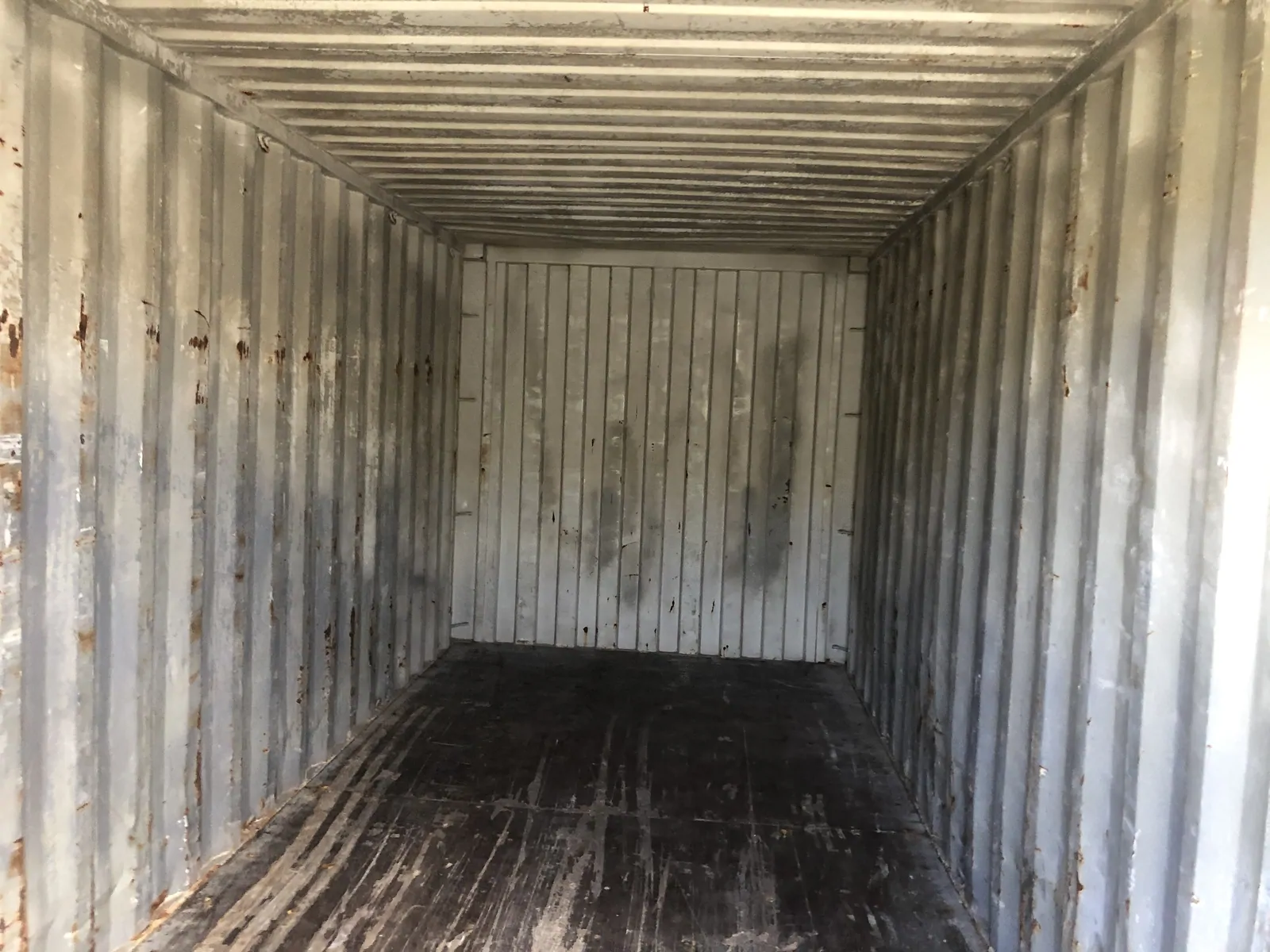
On the ground
Gladstone sits on a working harbour, and containers here live in salt-laden air permanently. Marine-grade corten steel handles that far better than ordinary mild steel does, which is the whole point of how these things are built, but the coating still does the real work and the coating is what degrades. Units that spend years here develop surface rust at the door frames, the roof seams and any spot where the paint has been cut or scraped.
None of that is dramatic if it is dealt with. Wire brushing and touching up a scrape when you notice it is a five-minute job that saves a fifteen-year problem. Keeping the unit off the ground so air moves under the floor stops the underside staying wet after rain. Greasing the door gear once or twice a year keeps the seals doing their job, and seals are what stand between your contents and a downpour. If the unit is going to sit near the water and hold anything worth protecting, buy a grade that starts in good condition rather than one you plan to fix.
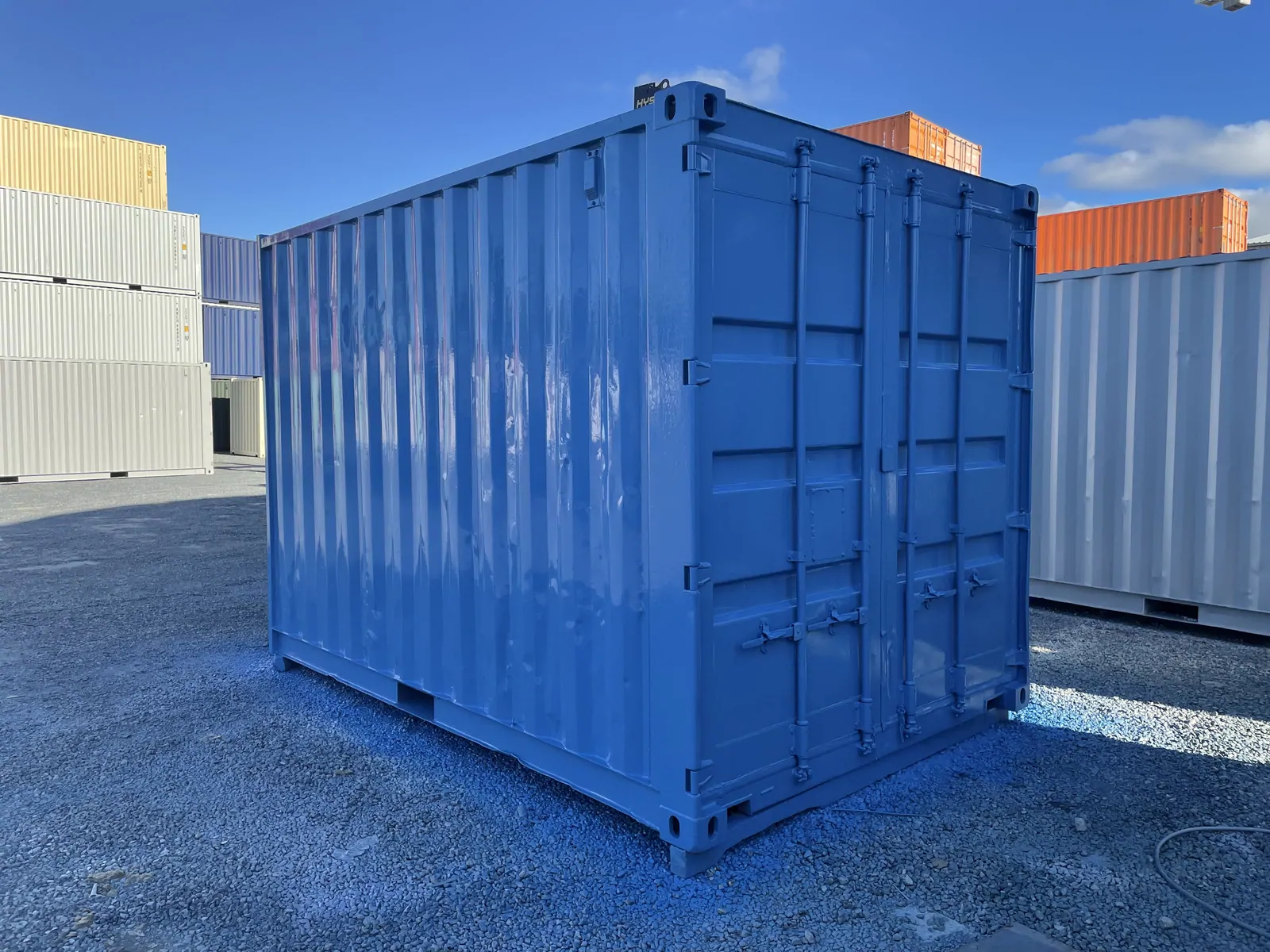
Worth knowing
The questions we ask before a Gladstone site delivery are not the same as the ones we ask a homeowner. Where does the truck report. Who inducts the driver. What PPE does the site expect at the gate. Is there a hold point on lifts. Are there overhead services across the yard. What is the surface where the container lands, and is it rated for the point loads under the corner castings. Is anything going to be stacked on this unit later, because that changes what the base has to be. None of these are difficult, but every one of them stops a truck cold if it is discovered at the gate rather than a week earlier. The surface question is the one that catches people most often on a working site. Made ground and crusher dust look identical to hardstand until a fully loaded container puts its whole weight through four corner castings, and then one corner keeps going. Where the base is not certain, the fix is timber bearers or concrete pads spreading the load, and it is far easier to put them down before the unit arrives than to lift it again afterwards. The same applies to anything running underneath the drop point. Site services, drainage and conduit are rarely where the old drawing says they are, and a container is not something you want to shift twice.
We quote delivery with the container every time. It is the honest way to do it when access varies as much as it does around here.
One call sorts it. Size, grade, where it is going and what the entry looks like — that is everything we need to price it properly.
We also deliver to Calliope, Tannum Sands, Boyne Island, Miriam Vale, Agnes Water and the surrounding district. If your town is not on the list, ring — it almost certainly still works.
Common questions
Usually, if we hear about it before it becomes urgent. Shutdown demand is spiky and predictable at the same time, because everyone on the job needs storage in the same fortnight. Give us the window while it is still a date on a schedule and we can source and freight the units in an orderly way, including grouping several onto the same run north. A week out, in the middle of the season, options narrow to whatever happens to be sitting in the region. The planning is what makes it work, not the panic.
For a defined project window, hire is usually the right call. You pay for the period you need it, the unit goes back at the end, and there is no asset sitting in a yard between contracts. Buying makes more sense when the container becomes permanent infrastructure at your own yard, when you want to modify it, or when the job keeps extending. If you genuinely cannot tell which it will be, start on hire and talk to us about what applying the hire toward a purchase would look like.
Not by road, because there is no road. Anything crossing to the island moves through the site operators' own barge and logistics arrangements, and those are controlled by whoever holds that contract, not by us. What we can do is get the unit to a mainland laydown yard in good order and on time, ready for that crossing to be arranged at your end. Ring us with the timing and where it needs to land and we will work back from that.
Physically yes, that is what they are designed for, but it depends on the units and the base. Stacking loads goes through the corner castings, so the castings and the frame have to be sound and the units have to be locked together properly with twistlocks. The ground underneath has to be level and able to carry the point loads, which is a real consideration on made ground. As-is units are not the ones to stack. Your site will also have its own lift and stacking rules, and those govern. Tell us stacking is the plan before you choose the units.
Get a price
We deliver to Gladstone and the surrounding district. Tell us what is going in it and what the access is like, and you will get a price with the cartage worked out. Every enquiry answered within one business day.
Or skip the form and ring us — 0477 410 500, Mon–Fri 7:30am–5pm, Sat 8am–12pm