Inspection
How to inspect a used container
In the order that matters, which is the order of what things cost to put right. Bring a torch. Most of this takes ten minutes.
The floor, first and for longest
Walk the whole length of it, heel down. You are feeling for soft spots and flex, particularly along the seams and at the door end where water gets in. Look for staining, patched sections and any repair plate. The floor is 28mm marine ply on steel cross-members and it is the single most expensive thing on a container to replace properly — which is exactly why it is worth five of the ten minutes.
The doors and the seals
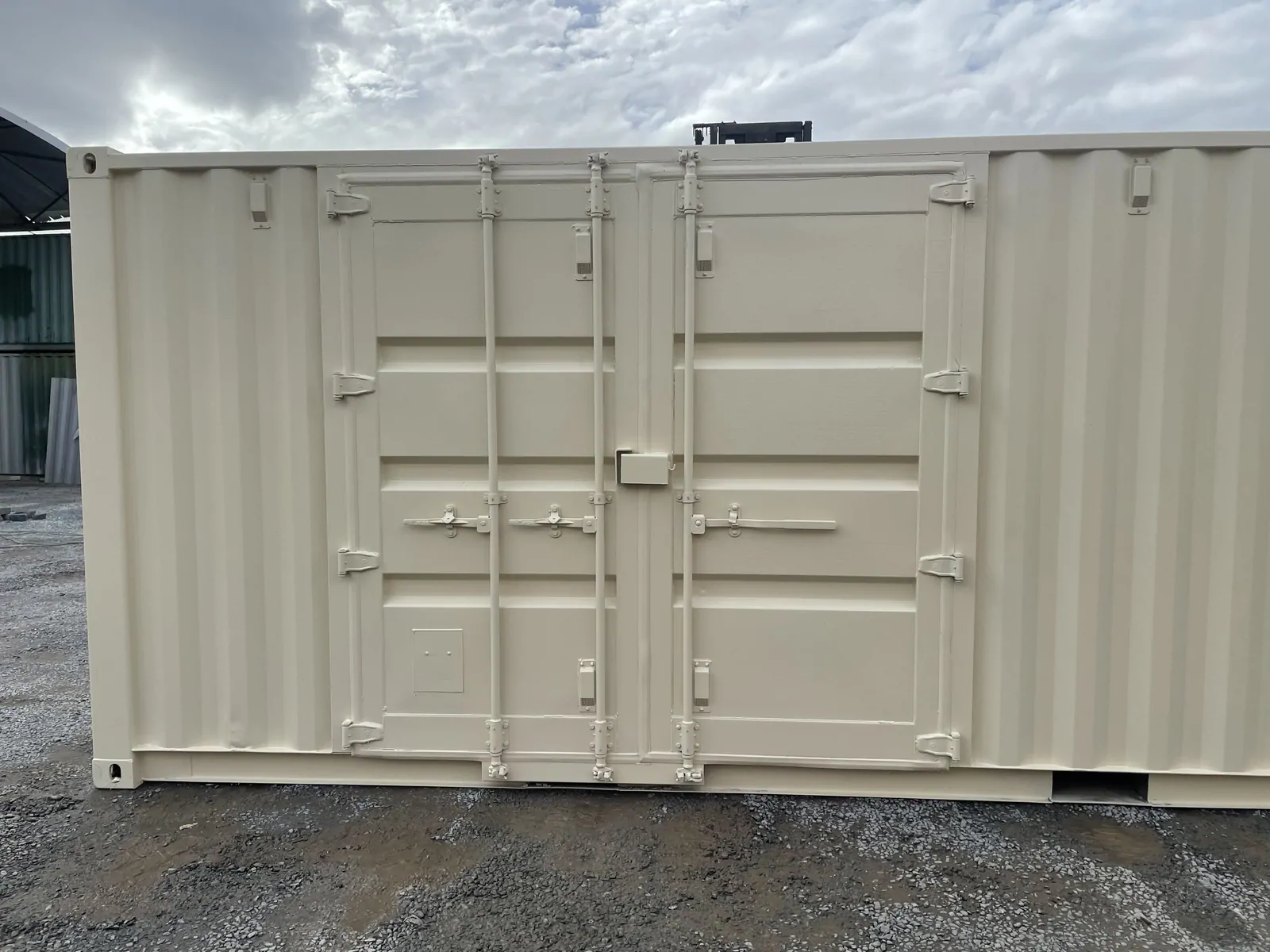
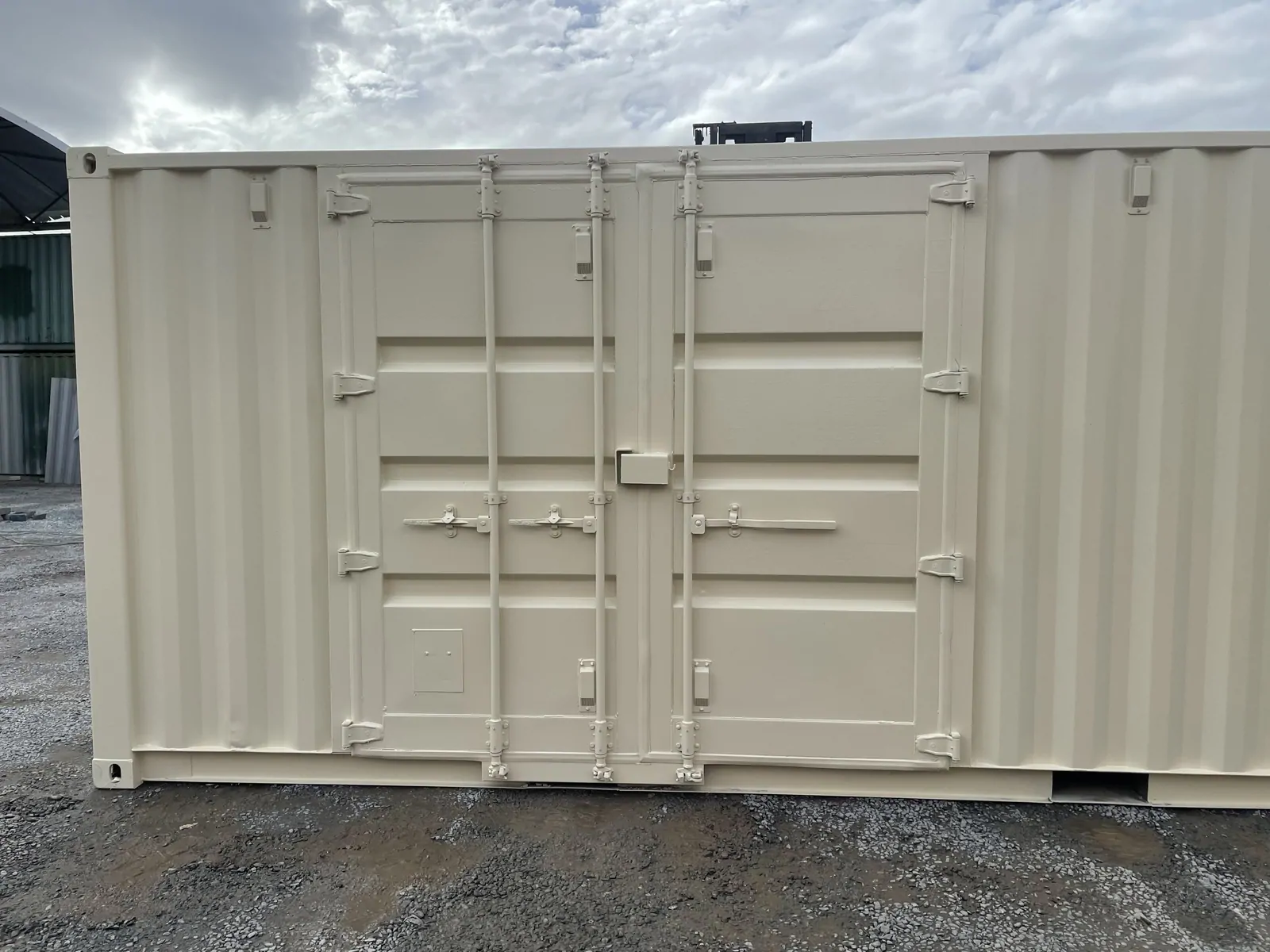
Open both doors fully and close them again. The locking bars should need a firm pull and the cams should seat. Run a hand around the rubber gasket looking for sections that have gone hard, flattened permanently or split at the corners. Most of what "wind and watertight" means in practice is happening right here.
Inside, with the doors shut
Pull the doors to and let your eyes adjust. Any daylight is a hole. Look along the roof line, around the door frame and at the panel seams. Then look at the roof itself from inside for sagging, which means water has been ponding up there.
The roof, from outside if you can
If it is safe to look — from a ladder, a ute tray or the next container along — check for ponding, dents that hold water and patched repairs. The roof is the thinnest steel on the container and the least visible from the ground, which is why it is where problems hide.
The frame, castings and rails
Look at the four corner castings and the top and bottom rails. These carry every bit of load in a container and they are what a crane, a forklift and a stack all connect to. Damage here matters structurally in a way a dented side panel does not. Check the container sits square — doors that will not close on level ground usually mean a twisted frame.
The plate and the number
Find the CSC plate on the door and note the container number. It gives you something specific to refer to, and it is a quick sanity check that the unit is what it is being described as.
What not to worry about. Dents in the side panels. Surface rust. Three layers of old shipping-line paint. Faded logos. All cosmetic, all cheap to live with, and all things people pay too much to avoid.
At our yard
Come and do it yourself
Our containers sit on hardstand at 24 Forest Hill Fernvale Rd, Forest Hill, QLD, 4342. Ring first so we know you are coming and can have the units you are interested in accessible, then take as long as you like over them.
If you cannot get out here, ask and we will photograph the specific unit — floor, doors, roof and any faults — and send it through before delivery. On as-is stock we will tell you exactly what is wrong with it, because finding out on delivery day helps nobody.
Common questions
About inspecting containers
How do I check a container is watertight?
The old trick still works: get inside, pull the doors to, and look up. Daylight through the roof or around the door frame is a leak. Then look at the floor for staining under the seams and at the door gasket for sections that have gone hard, flattened or torn. On a cargo-worthy unit we have already done this, but there is no substitute for looking yourself if you can.
What is the CSC plate?
A metal plate, usually on the left-hand door, carrying the container's identification and its safety approval details for sea carriage. It tells you the container's number, when it was built and its maximum gross weight. On a unit being sold as cargo-worthy it is worth a look — a container with no plate at all is not necessarily a bad box, but it is a question worth asking.
What does a container number tell you?
Four letters and seven digits. The first three letters are the owner code of the shipping line or leasing company that operated it, the fourth is almost always U for a freight container, and the digits are the serial and a check digit. Practically, it tells you the unit is a real ex-shipping container and gives you something specific to quote when you ring us about it.
Is surface rust a problem?
Almost never on its own. Containers are made of Corten weathering steel, which forms a stable oxide layer and then largely stops. Surface rust on the panels is cosmetic. What matters is rust that has gone through, rust in the roof where water ponds, rust at the bottom rail where the container has sat flat on wet ground, and rust around the door frame that stops the gasket seating.
Get a price
Ask about a specific unit
Tell us the size and grade you are after and we will tell you what is standing on the ground this week. Every enquiry answered within one business day.
Or skip the form and ring us — 0477 410 500, Mon–Fri 7:30am–5pm, Sat 8am–12pm