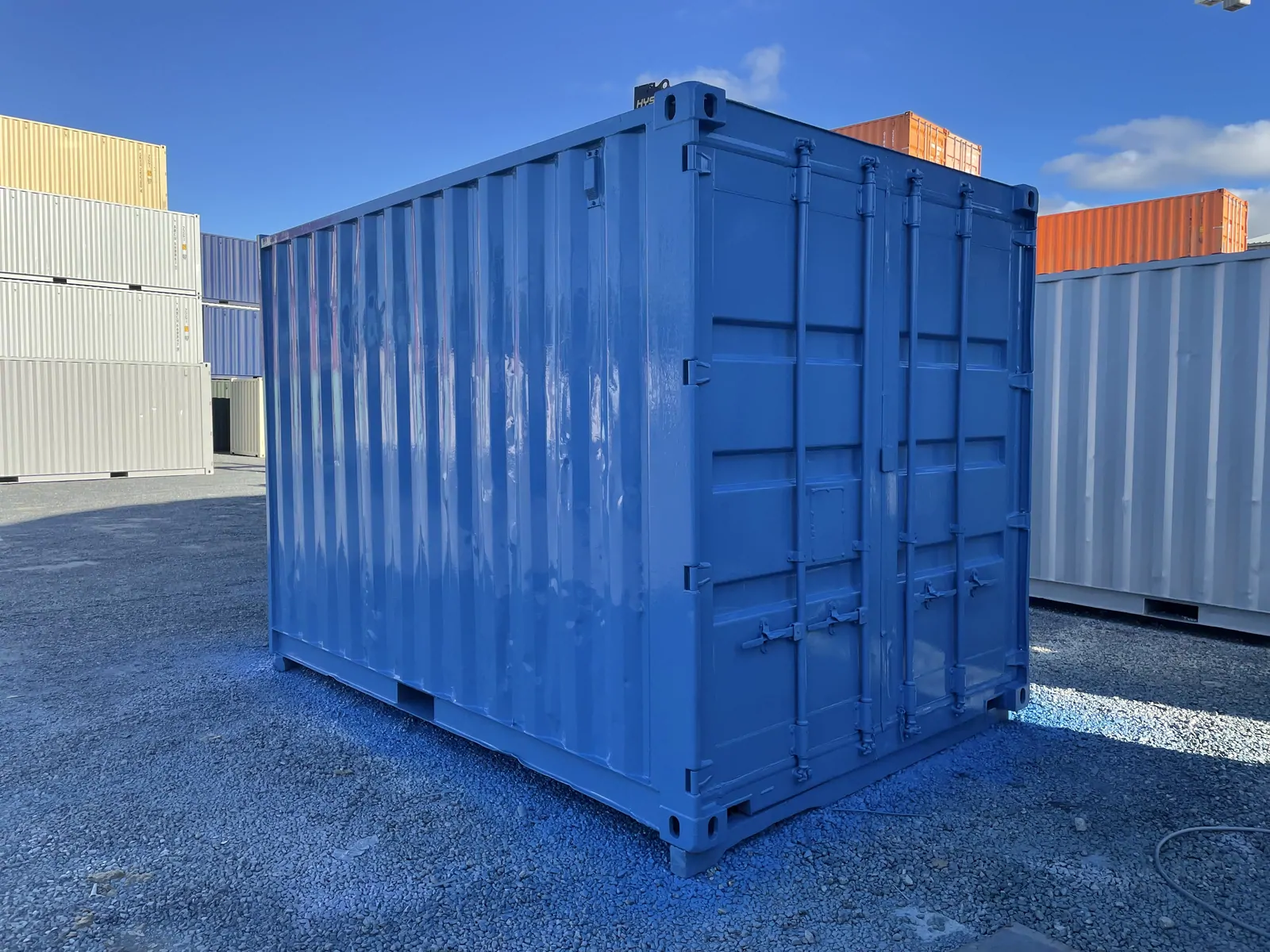
 10ft
10ft10ft Shipping Containers
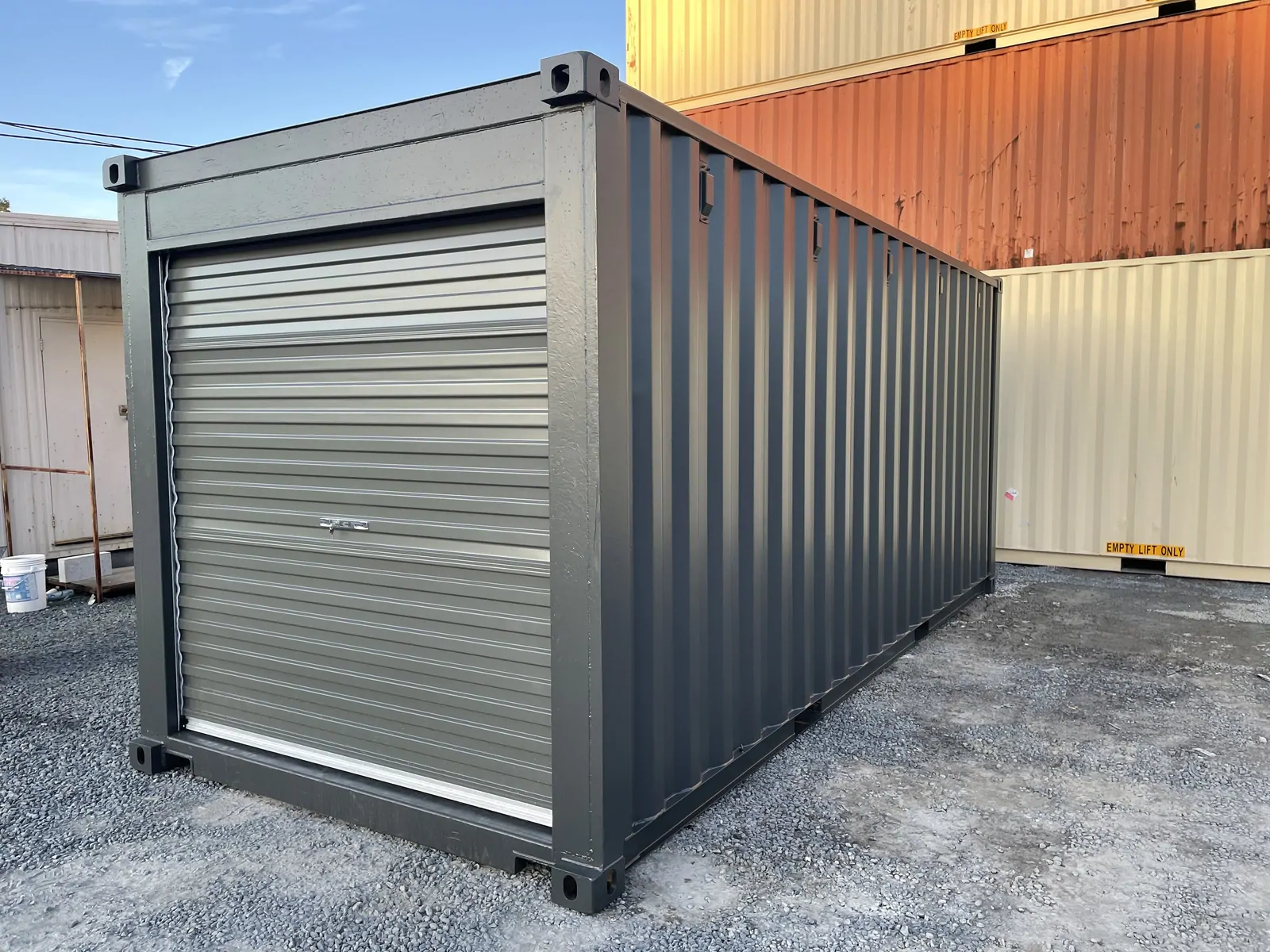
The side passage is narrow, the council setback leaves you nothing to play with, or all you need is somewhere lockable for a mower, a compressor and a rack of tools.
Used from$4,350
New from$6,400
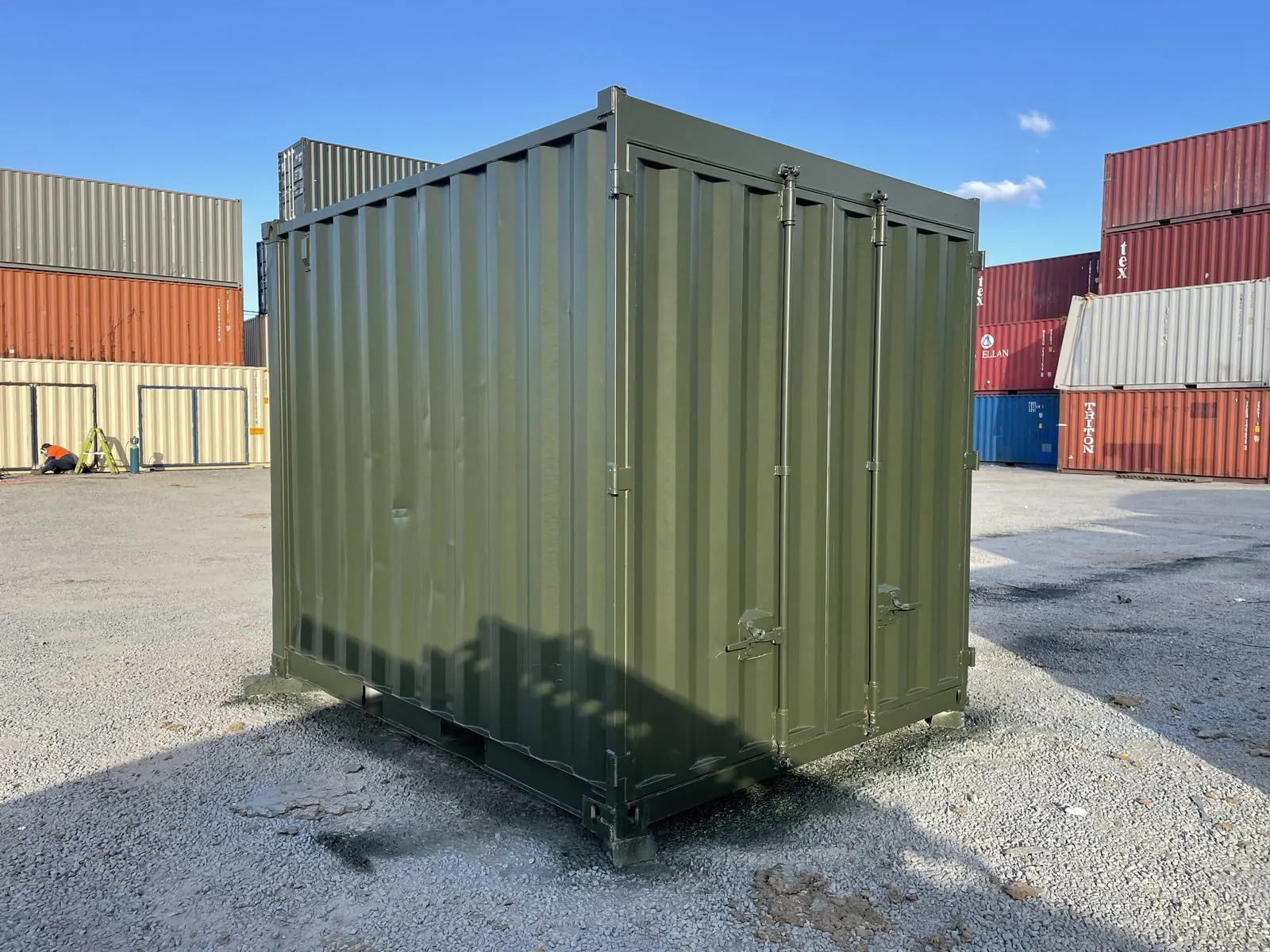
Mullumbimby, NSW
Mullum itself is an easy drop. The valleys behind it are not. Main Arm, Wilsons Creek, Upper Coopers Creek and the roads toward Huonbrook are narrow, steep, tightly cornered and wet for a decent part of the year, and on plenty of those addresses the honest answer is a 20ft rather than a 40ft. Ring with the road name and we will tell you before you order rather than after.
The local picture, briefly.
Around Mullumbimby we deliver containers for tools and materials for owner-builders on blocks where the house is still a drawing, feed, tack and fencing gear on the small farms up the valleys, dry storage for market stallholders and makers who need everything to disappear between weekends, workshop and studio conversions on rural blocks, gear for the accommodation and events operators through the shire between seasons, and somewhere genuinely secure on a shared block where nothing much lives indoors.
The valley roads are the whole story out here. Main Arm Road, Wilsons Creek Road, Upper Main Arm and the routes toward Huonbrook and Wanganui are sealed for much of their length and still only a lane and a bit wide, cut into the side of the hill with a bank on one side and not a great deal on the other. The corners are blind and tight enough that a rigid truck with six metres of container hanging past the rear axle is committed once it starts. There are single-lane bridges and low concrete causeways over the creeks, and those causeways come up fast after rain in the ranges — sometimes with no rain at all where you are standing — and stay up for a day or so afterwards. This country also moves. Slips have closed and half-closed these roads before, repairs get made, and sections carry single-lane control or width restrictions long after the event that caused them. We check before we commit a truck. Then there is the canopy, which people forget because they drive under it every day in a car. Camphor laurel and regrowth rainforest hang low over these roads and over private driveways, and four metres is not much when a tilt bed is lifting. On the blocks themselves, driveways are typically cut into a slope with a bank on the high side and a drop on the low one, unsealed, and finishing somewhere with no turning circle at all — a ridge-top building pad is often literally only as wide as the house. The ground is good news: red basalt on the ridges is firm and drains hard. The creek flats are alluvial and soft after rain, and the coast at Ocean Shores and Brunswick Heads is dune sand that carries a lot less than it looks like it should.
Grade moves the price more than size does, and it is what decides whether a unit is sold watertight — the full rundown is on the grades page.
The range
Guide prices in AUD, ex GST. Delivery is quoted with the container.
10ftThe side passage is narrow, the council setback leaves you nothing to play with, or all you need is somewhere lockable for a mower, a compressor and a rack of tools.
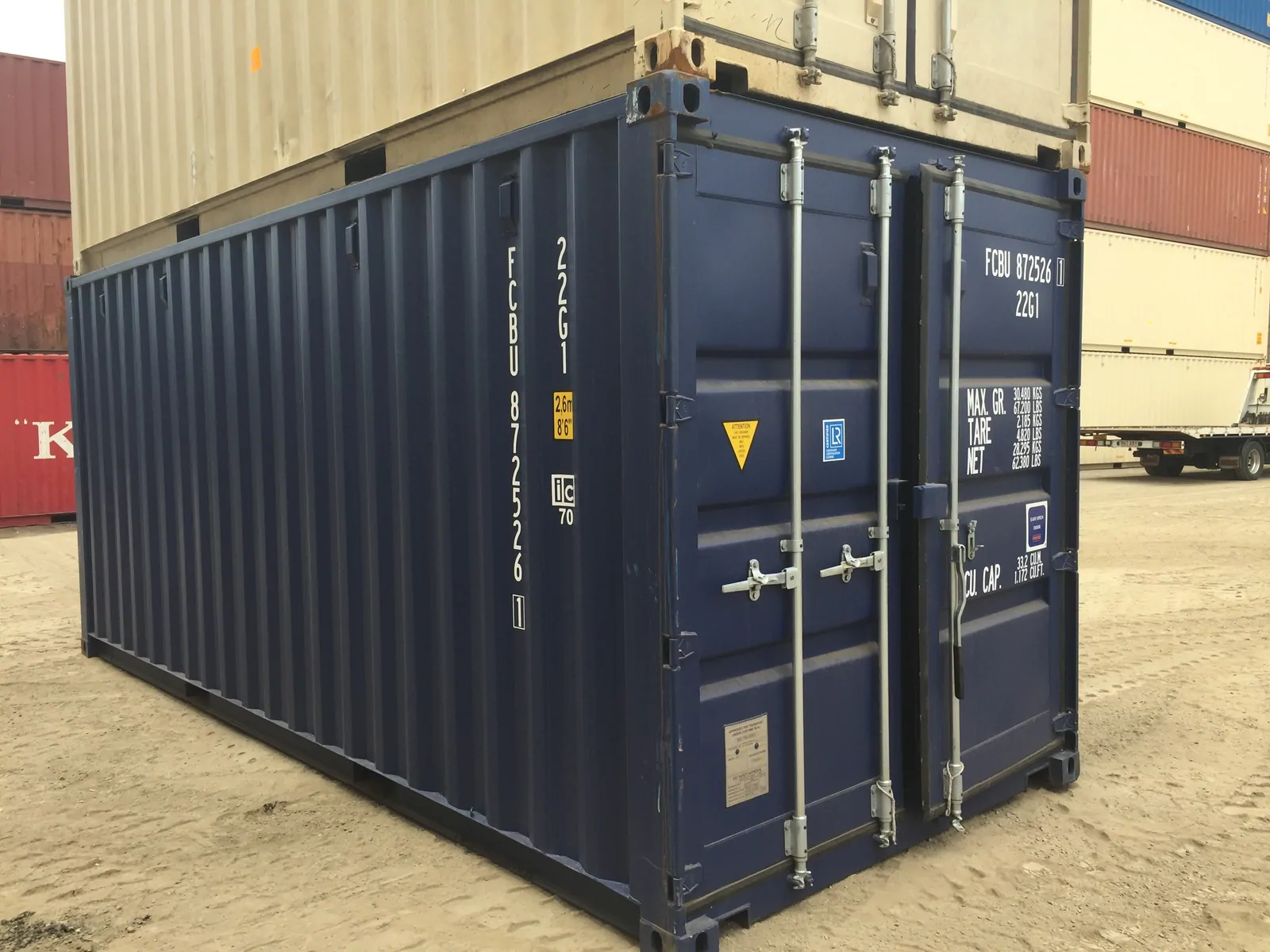 20ft
20ftYou have about seven metres of straight, reasonably level ground to put it on and you would rather not find out in six months that you should have gone bigger.
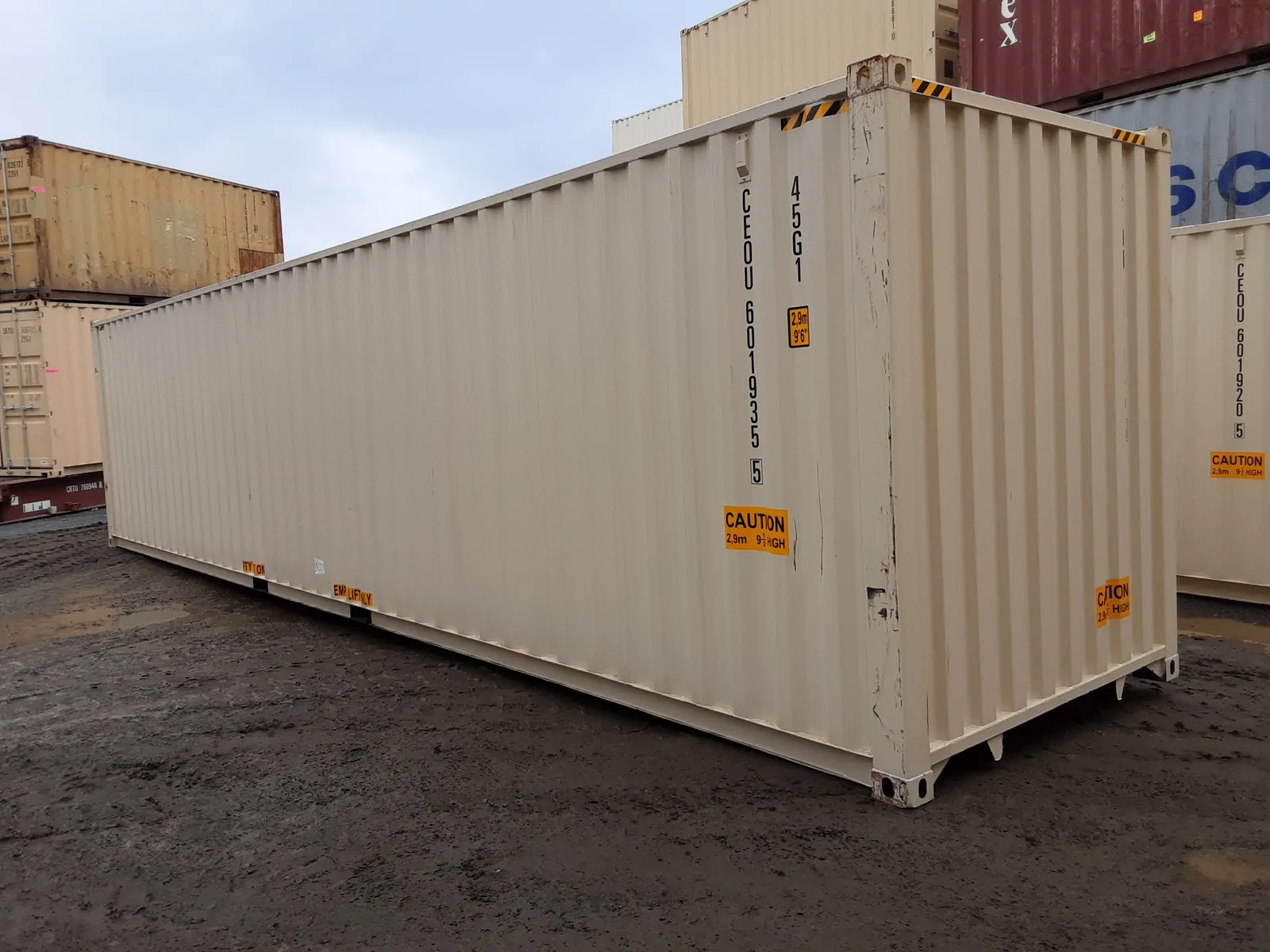 40ft
40ftYou have the room, the access is genuinely open, and you want the most storage per dollar available anywhere.
Mullumbimby
The distance from town to a block up Main Arm or Wilsons Creek is nothing. The road is everything. What we need to know before we commit a truck to one of those valleys is straightforward: which road, roughly how far up, whether there are causeways or single-lane bridges on the way, and whether there is any current width or load restriction on the route from a slip repair. You will know your own road far better than any map does, and five minutes on the phone is worth more than an hour of satellite imagery.
The size question falls out of that conversation. A 20ft on a tilt-tray gets up most of these valleys. A 40ft on a side loader is a genuinely different vehicle and on several of these roads the answer is simply no. Where you need the length, two 20ft placed end to end, or with a gap and a roof across the middle, usually gives you more usable space and a delivery that actually happens. We would rather have that conversation with you before you order than have a driver stopped at a corner he cannot get around with nowhere to turn.
On the ground
A lot of the work up here is on land that is being built out slowly and deliberately — owner-builders, shared and multiple-occupancy blocks, places where the house is years away and the tools have to live somewhere in the meantime. A container suits that better than almost anything else. It arrives finished, it locks properly, it does not need a slab poured and cured before it is useful, it does not need power, and it can be sold on or moved when the plan changes. On a steep block it also sits on pads where a shed slab would mean serious excavation.
Where we will not guess is the rules, because they vary and they are yours to check. How long the container is staying, whether it is visible, whether it is being modified and what the tenure of the land is all matter, and shared and multiple-occupancy arrangements often have their own internal agreements sitting on top of the council position. The general shape is consistent enough to plan around — temporary, screened and used for storage is the straightforward end; permanent, prominent and altered is where the questions start. Sort it before delivery rather than after, because moving a container twenty metres once the truck has gone is a second delivery, not an adjustment.
Worth knowing
This is one of the wettest pockets in the state and a steel box under a rainforest canopy has to be set up for it or it will disappoint you. Three things do almost all the work. Get it up off the ground on pads so air moves underneath and the floor is not sitting against wet soil for months at a time. Keep the roof clear of leaf litter, because wet leaves held against a roof panel are what actually starts surface corrosion, far more than the rain itself. And ventilate it — extra vents at each end, contents up on pallets rather than flat on the floor, and the doors left open for a few hours on a dry day when you get one. Do not shut anything damp in there. A wet tarp or a bag of green offcuts will hold the humidity up for months on its own and everything in the box will smell like it.
Cartage is worked out per address rather than off a table. Distance is only part of it — access is usually what moves the figure.
The order of questions is always the same: what is it for, what grade does that need, and can a truck get in.
We also deliver to Brunswick Heads, Ocean Shores, Byron Bay, Main Arm, Bangalow and the surrounding district. If your town is not on the list, ring — it almost certainly still works.
Common questions
Usually with a 20ft, and it depends how far up you are. Those roads are a lane and a bit wide, cut into the hillside with blind tight corners, and there are single-lane bridges and causeways along the way. A rigid truck with a container overhanging the rear axle is committed once it starts a corner, so we check the route rather than assuming. A 40ft on a side loader will not make several of those roads at all. Ring with the road name and roughly how far along you are and we will give you a straight answer.
We move the date rather than gamble on it. Causeways through these valleys come up quickly after rain in the ranges, sometimes with no rain where you are, and slip repairs leave single-lane control and width restrictions in place long afterwards. We check the route before committing a truck, and we will ring you rather than leave you waiting on a delivery that was never going to arrive. If there is a firm alternative — a neighbour's access, hardstand near the main road — tell us and we will often use it.
Ventilation and getting it off the ground do most of it. Set it on pads so air moves underneath rather than the floor sitting on wet soil, fit extra vents at both ends, keep contents up on pallets, and open the doors for a few hours on a dry day when one comes along. The biggest single mistake is shutting something damp inside — a wet tarp or green timber will keep the humidity high for months and everything in there will wear it. Keep leaf litter off the roof too; that is where surface rust starts.
It is one of the best things going for that situation. It lands finished and lockable in a single visit, needs no slab, no power and no connection to anything, sits on pads on ground where a shed would need excavation, and can be moved or sold when the plan changes. Check the rules for your land first, because tenure, how long it is staying and whether it is visible all matter, and shared blocks often have their own agreements on top. Get that sorted before delivery rather than afterwards.
Get a price
We deliver to Mullumbimby and the surrounding district. Tell us what is going in it and what the access is like, and you will get a price with the cartage worked out. Every enquiry answered within one business day.
Or skip the form and ring us — 0477 410 500, Mon–Fri 7:30am–5pm, Sat 8am–12pm