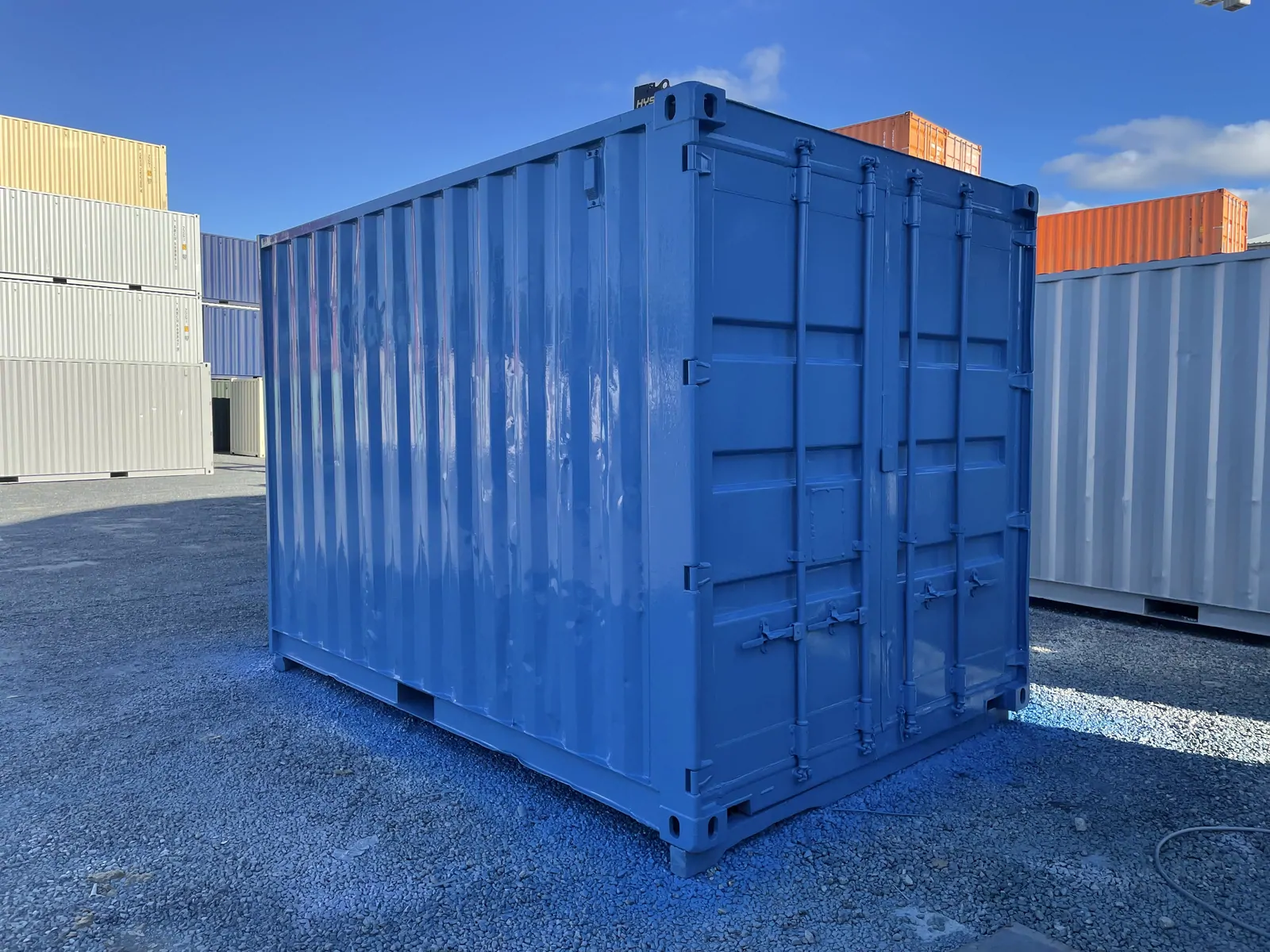
 10ft
10ft10ft Shipping Containers
The side passage is narrow, the council setback leaves you nothing to play with, or all you need is somewhere lockable for a mower, a compressor and a rack of tools.
Used from$4,350
New from$6,400
Dalby, QLD
Everything about a delivery out here is decided by two things: the length of the run west, and whether it has rained. The road out is easy, sealed, straight, fast and busy with headers and road trains through harvest. The last few kilometres on black soil are the ones that matter, and they are the ones we ask about first.
Worth knowing before you order.
Around Dalby we deliver containers for grain, seed, chemical and fertiliser storage on cropping country, workshop and spare parts on feedlots and piggeries, laydown and tool storage for the gas field work north and west of town, cotton gear through the irrigation country toward Cecil Plains, fencing and water gear on grazing blocks, and site storage for the contractors who follow the harvest and the construction work through the district.
Black soil runs this district and it runs our delivery schedule with it. A Downs vertosol is a cracking clay that behaves like two entirely different materials depending on how much water is in it. Dry, it is close to concrete and you can drive anything on it. Wet, it does not drain. The surface turns to a grease that will not let a tyre grip and the material underneath turns to a putty a loaded rig will sink into and stay in. Councils close unsealed black soil roads outright after rain for exactly this reason and they are right to. A container delivery is not worth cutting up a road or a paddock for. So the honest position is that we will give you a date and hold to it unless the weather says otherwise, and if it rains we move it rather than risk it. Everybody out here already works this way. Nobody is surprised. When it is dry the deliveries are straightforward and often the easiest we do anywhere. Farm entries on the Downs are built for headers, chaser bins and B-doubles, so the gates are wide, the approaches are straight and there is usually somewhere sensible to turn around. The things to check are the ones invisible from the road: entry culverts and grids built a long time ago and never rated, powerlines crossing a paddock entrance at a height that suits a tractor but not a raised tilt tray, and the depth of the table drain either side of the gate. Harvest is the other timing consideration. From about October the highway and the district roads fill with headers, chaser bins and grain trucks, and everyone on the place is flat out from before daylight. If a container is wanted in the middle of that, it is much better ordered before it starts.
Grade moves the price more than size does, and it is what decides whether a unit is sold watertight — the full rundown is on the grades page.
The range
Guide prices in AUD, ex GST. Delivery is quoted with the container.
10ftThe side passage is narrow, the council setback leaves you nothing to play with, or all you need is somewhere lockable for a mower, a compressor and a rack of tools.
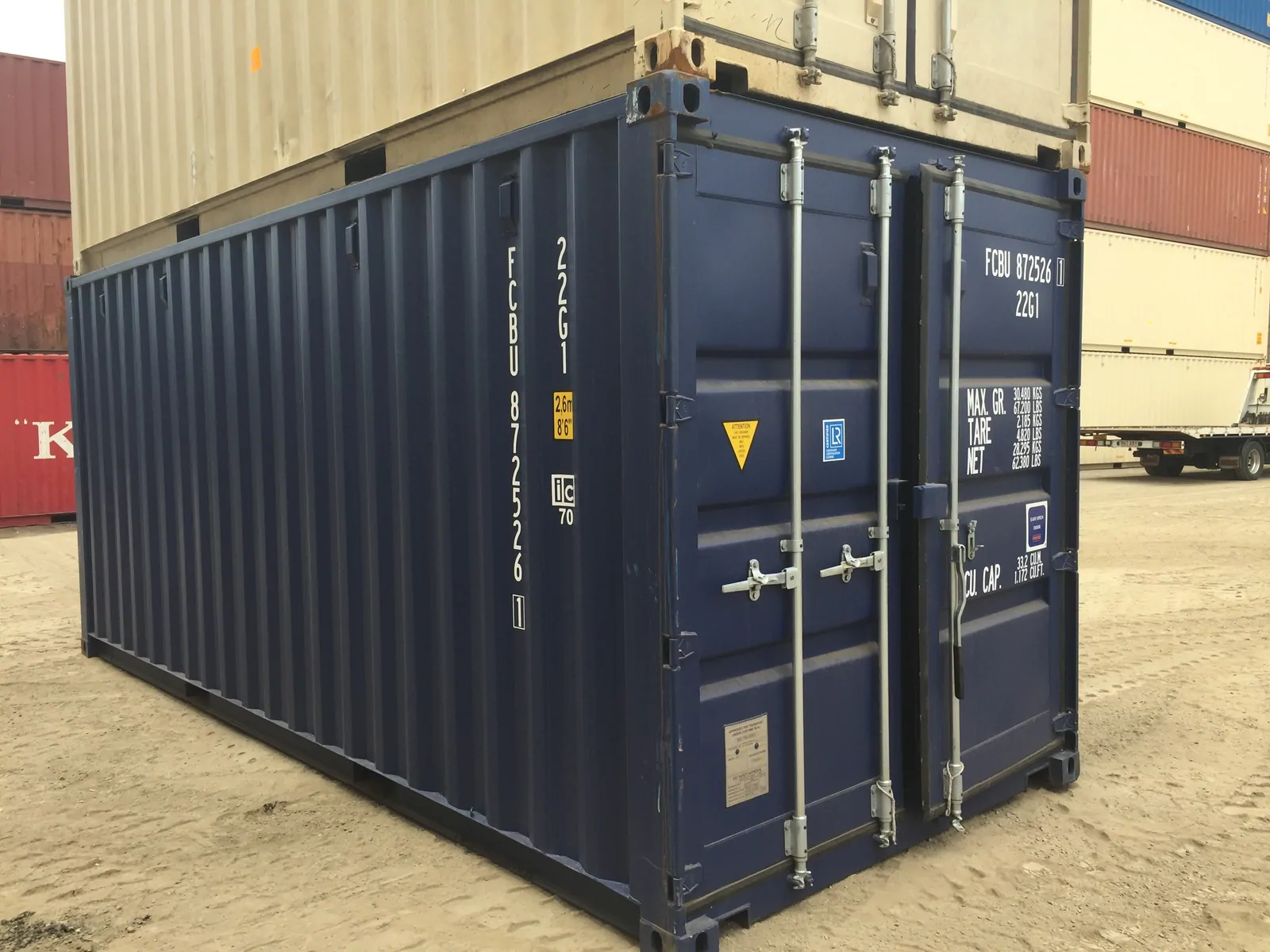 20ft
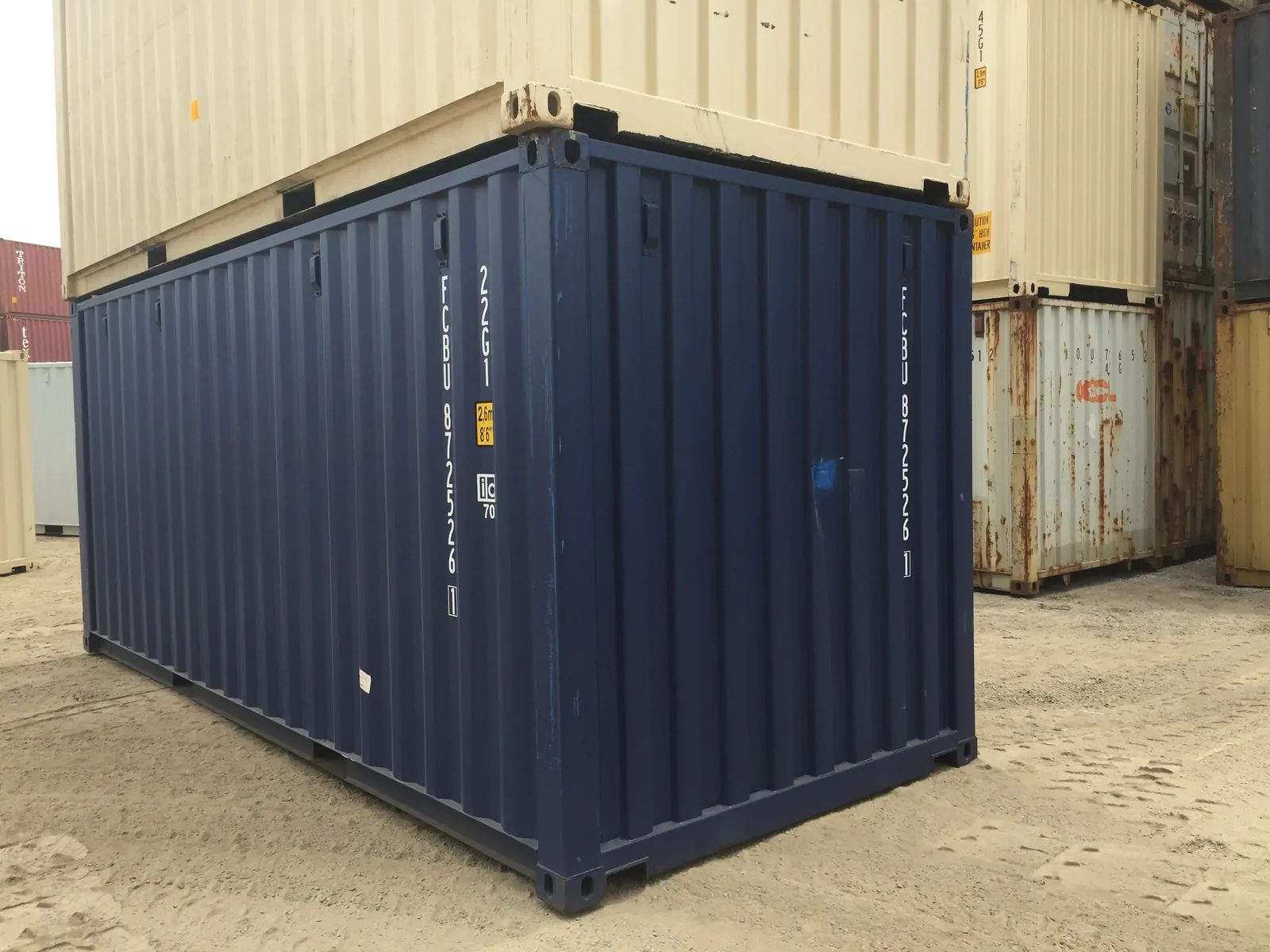
20ftYou have about seven metres of straight, reasonably level ground to put it on and you would rather not find out in six months that you should have gone bigger.
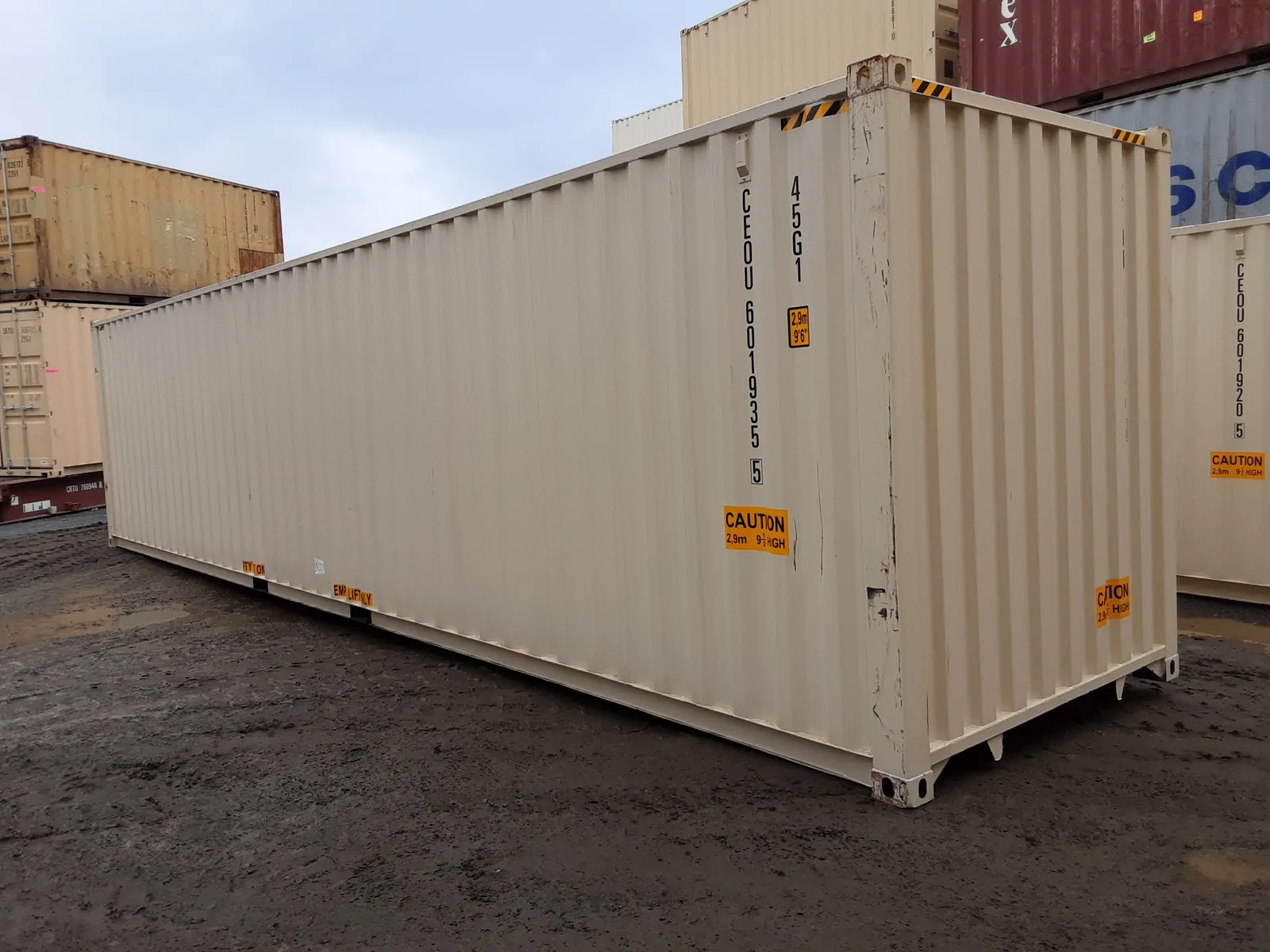 40ft
40ftYou have the room, the access is genuinely open, and you want the most storage per dollar available anywhere.
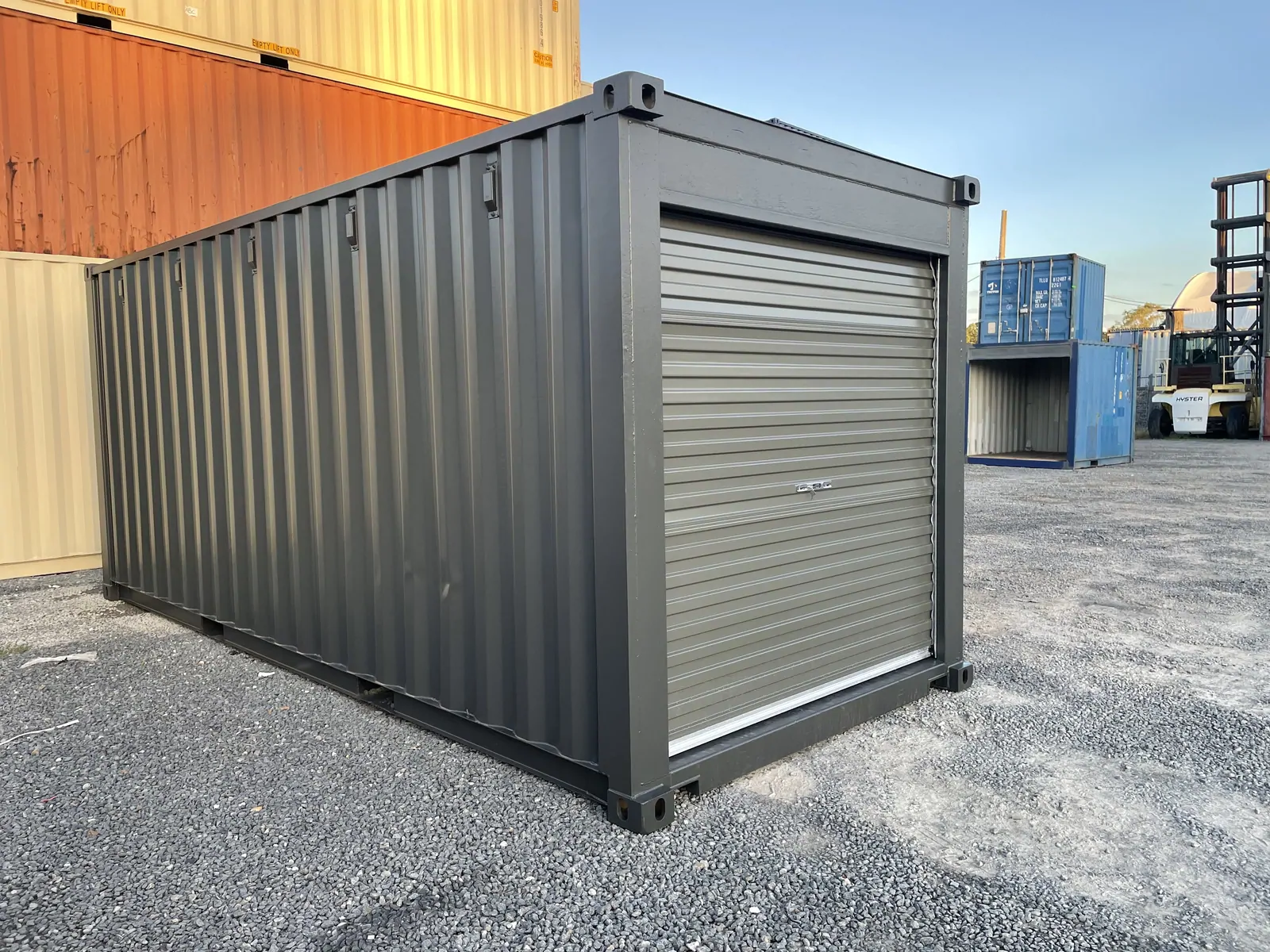
Dalby
The Surat Basin work has put a particular kind of demand on containers across this district. Laydown yards need lockable storage that can be dropped where the work is and picked up again when it moves. Crews need a tool store that does not depend on there being a building. Site offices, first aid points, spares and consumables all end up in steel, because steel is the only thing that can be delivered complete, locked the same afternoon and relocated in a year without demolition. A container is a shipping unit before it is anything else, so it is built to be lifted, stacked, dragged onto a tray and set down on uneven ground repeatedly, which is exactly what site work asks of it.
What that use does demand is honesty about condition. A unit that will be lifted, moved and stacked needs a sound frame, corner castings that are not deformed, and a floor that has not been chewed out by forklift tynes. If a container is going to sit on a site for years and then move to the next one, it is worth spending up at the start. Where site rules apply, they generally decide the details: access times, inductions, whether a crane or telehandler is already on site, whether the unit has to sit on bearers. Put us in touch with whoever runs the gate and we will work to their requirements rather than turning up and finding out.
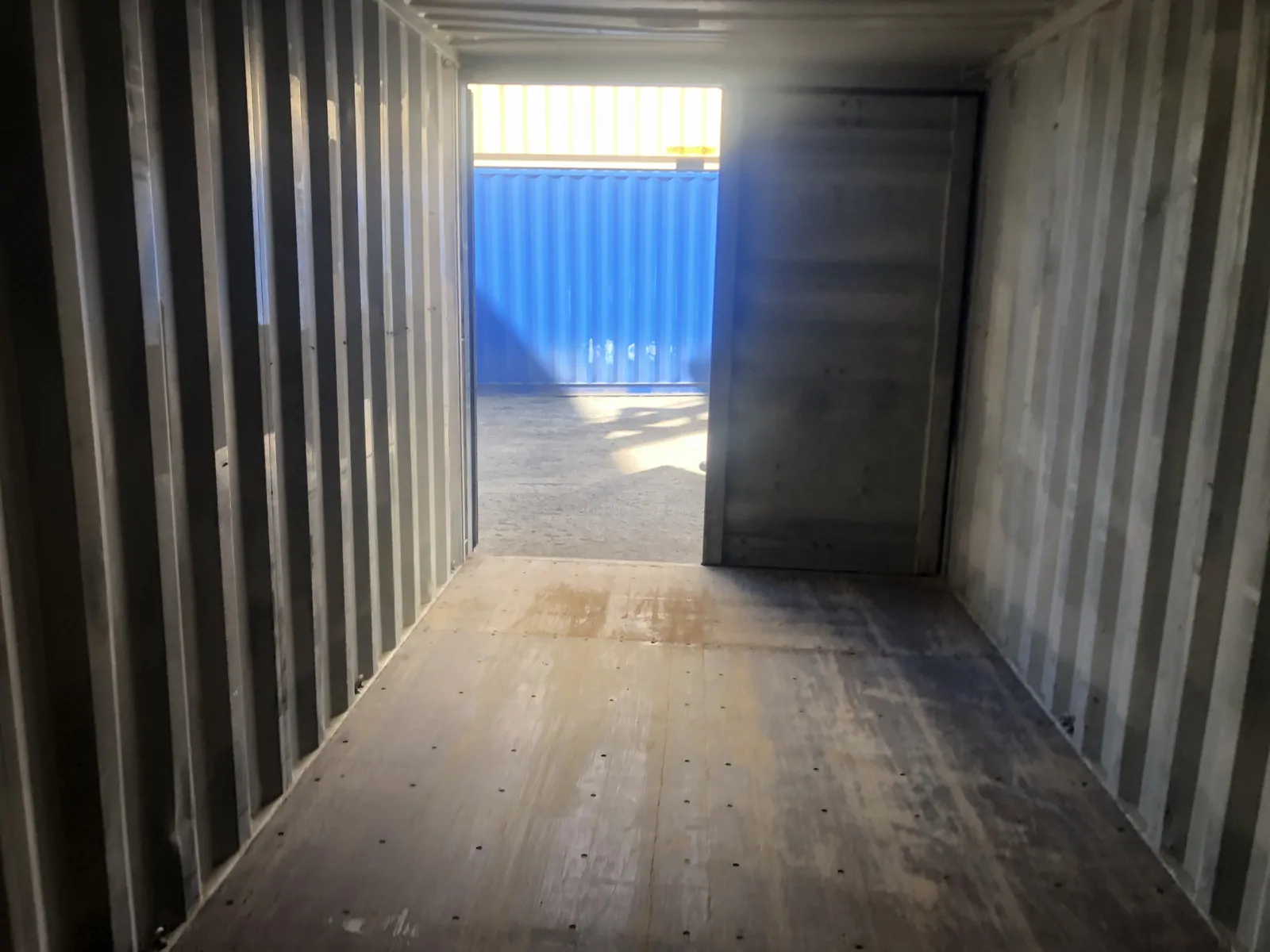
On the ground
Intensive livestock changes the storage question. A feedlot or a piggery runs machinery that cannot be down for a week waiting on a part, so the operation carries spares, including belts, bearings, augers, hoses, pump ends and electrical gear, and those spares have to be somewhere dry, somewhere organised and somewhere that is not the middle of a workshop floor. A 20ft fitted out with shelving becomes the parts store, and because it is sealed and it locks, it keeps dust, rodents and casual borrowing out of the expensive end of the inventory.
Dust is the underrated one. Anywhere with stock, feed and traffic runs a permanent haze of fine dust that finds its way into everything, and it is much harder on bearings and electrical components than moisture is. A container with intact door seals sitting level is a genuinely tight box compared with an open-sided shed, and the difference shows up on the shelf after twelve months. Face the doors away from the prevailing westerly if the layout allows it, keep the unit off the ground so air moves underneath, and open it deliberately rather than leaving it swinging on a windy afternoon.
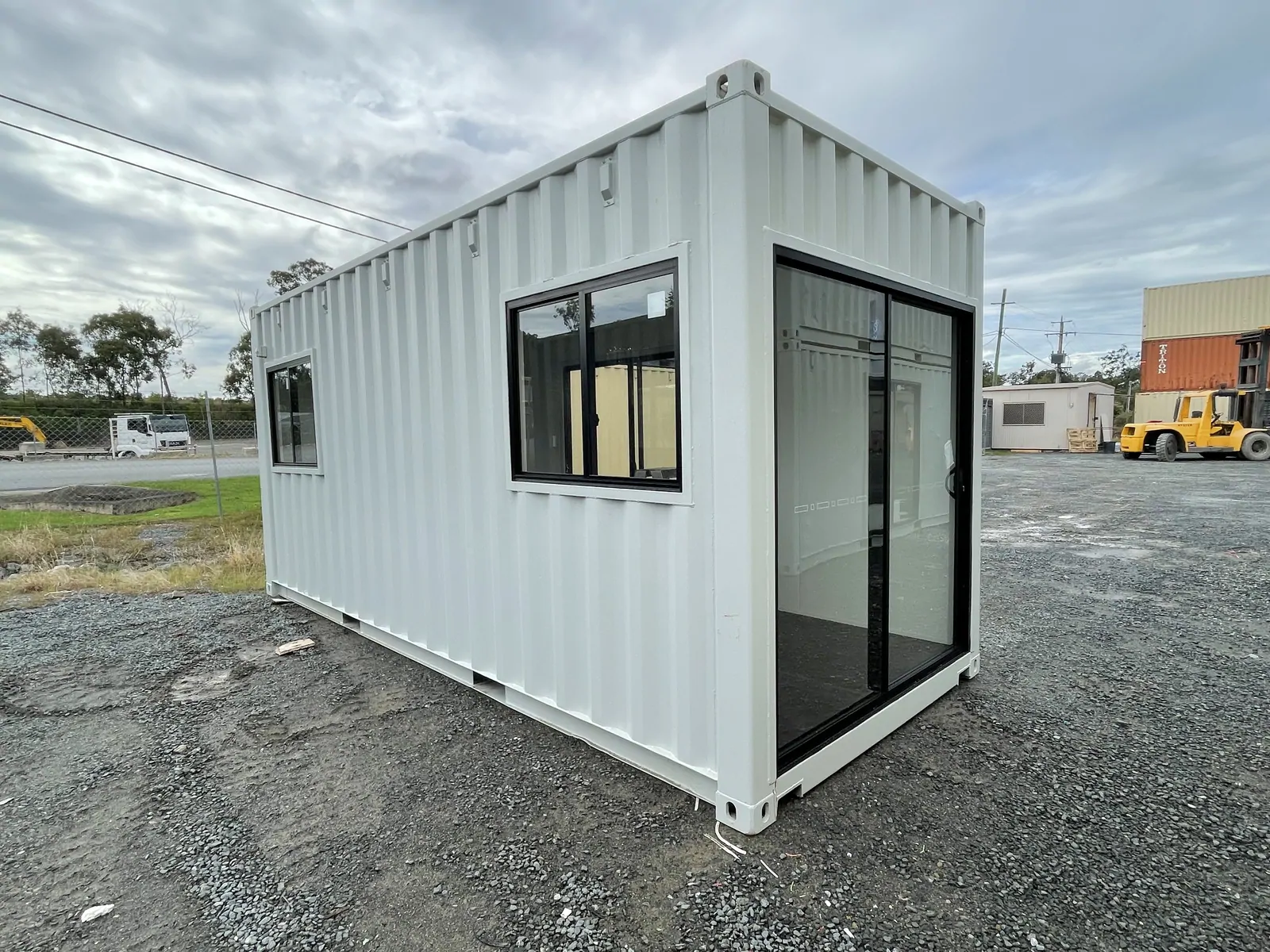
Worth knowing
Out here containers get relocated far more than most people expect. A unit bought for a block ends up at a shed, then at a work site, then back again, and every one of those moves puts the whole load through four corner castings. That is what they are for, but it makes condition matter in a specific way. Look at the frame and the castings before you look at the paint. A straight unit with sound castings and a solid floor lifts cleanly every time. As-is units are the cheaper end of the market and they are sold exactly as they stand. They are not sold as watertight, and some of them have been worked hard, which is fine for a fence-line lock-up that will never move again and a poor choice for something that has to be picked up twice a year. Every cargo-worthy unit we send out is checked wind and watertight before it leaves the yard, and if you want to see the actual unit first, photos are available on request and before delivery.
There is no flat delivery rate here worth publishing. What the truck has to do at your end changes it too much, so we quote it per job.
Tell us the job rather than the product. What goes in, where it sits and how the truck gets there decides the rest.
We also deliver to Bell, Jandowae, Kaimkillenbun, Macalister, Cecil Plains and the surrounding district. If your town is not on the list, ring — it almost certainly still works.
Common questions
It moves. Black soil roads and paddocks out here go from trafficable to impassable with one decent fall, and councils close unsealed black soil roads after rain for exactly that reason. We will not run a loaded truck onto country that is going to bog it and tear up your access, so we ring, we agree a new day, and we come when it has dried out. Everyone in this district already plans around that. If the timing is critical, order well ahead of when you need it rather than into a tight window.
Yes, but order earlier than you otherwise would. From about October the highway and the district roads fill with headers, chaser bins and grain trucks, everybody on the place is working long days, and finding a window where somebody can meet a truck at the gate gets harder than finding the truck. Deliveries still happen right through it. The failure mode is ringing on the Monday of a busy week and expecting Tuesday. Give it a bit of notice and harvest is not an obstacle at all.
Yes. Site storage is a large part of what containers get used for across the Western Downs. Where a site has its own rules, those rules generally decide the details: access times, inductions, whether there is already a crane or a telehandler on site, and whether the unit has to sit on bearers. Put us in touch with whoever runs the gate and we will work to their requirements rather than turning up and finding out. Units that will be relocated repeatedly are worth buying in better condition than units that will never move.
Most of the work is done by the unit itself, provided it is level and the door seals are intact, because a sound container is a far tighter box than an open-sided shed. Beyond that, face the doors away from the prevailing westerly if the layout allows it, sit it on sleepers or pads so it is off the ground and square, and open it deliberately rather than leaving it standing open on a windy afternoon. If it is holding electrical spares or bearings, a couple of sealed tubs inside finish the job.
Get a price
We deliver to Dalby and the surrounding district. Tell us what is going in it and what the access is like, and you will get a price with the cartage worked out. Every enquiry answered within one business day.
Or skip the form and ring us — 0477 410 500, Mon–Fri 7:30am–5pm, Sat 8am–12pm