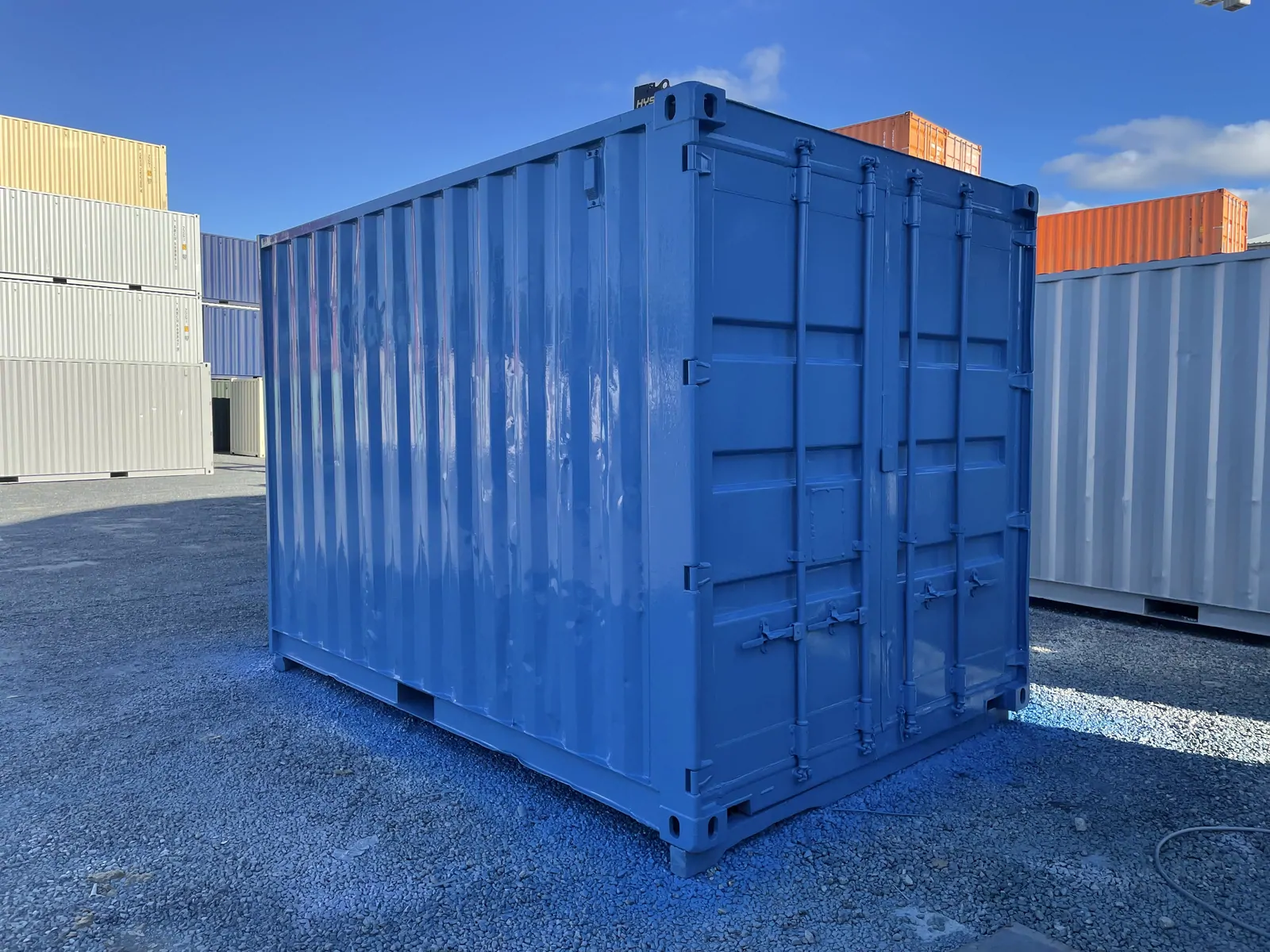
 10ft
10ft10ft Shipping Containers
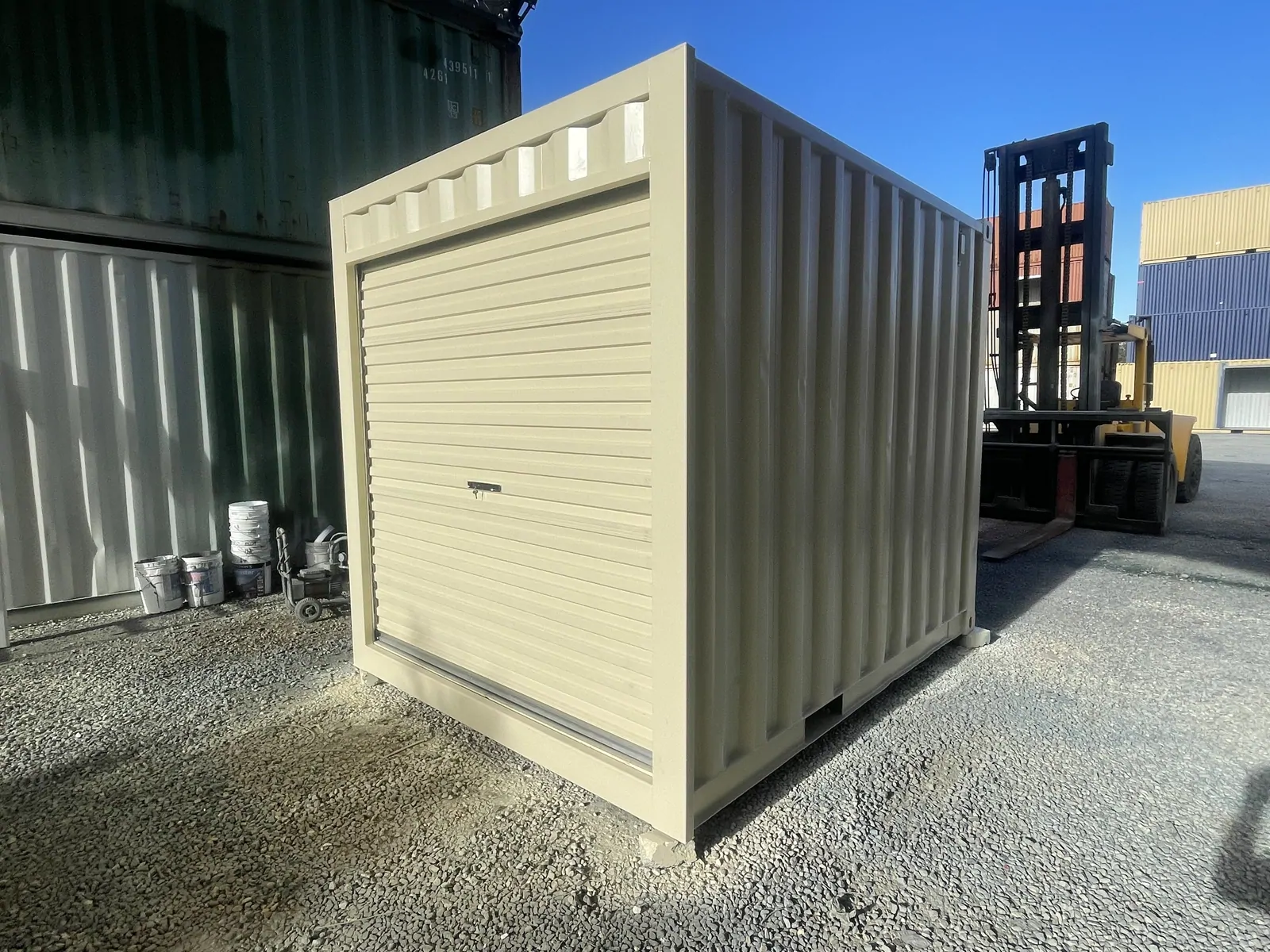
The side passage is narrow, the council setback leaves you nothing to play with, or all you need is somewhere lockable for a mower, a compressor and a rack of tools.
Used from$4,350
New from$6,400
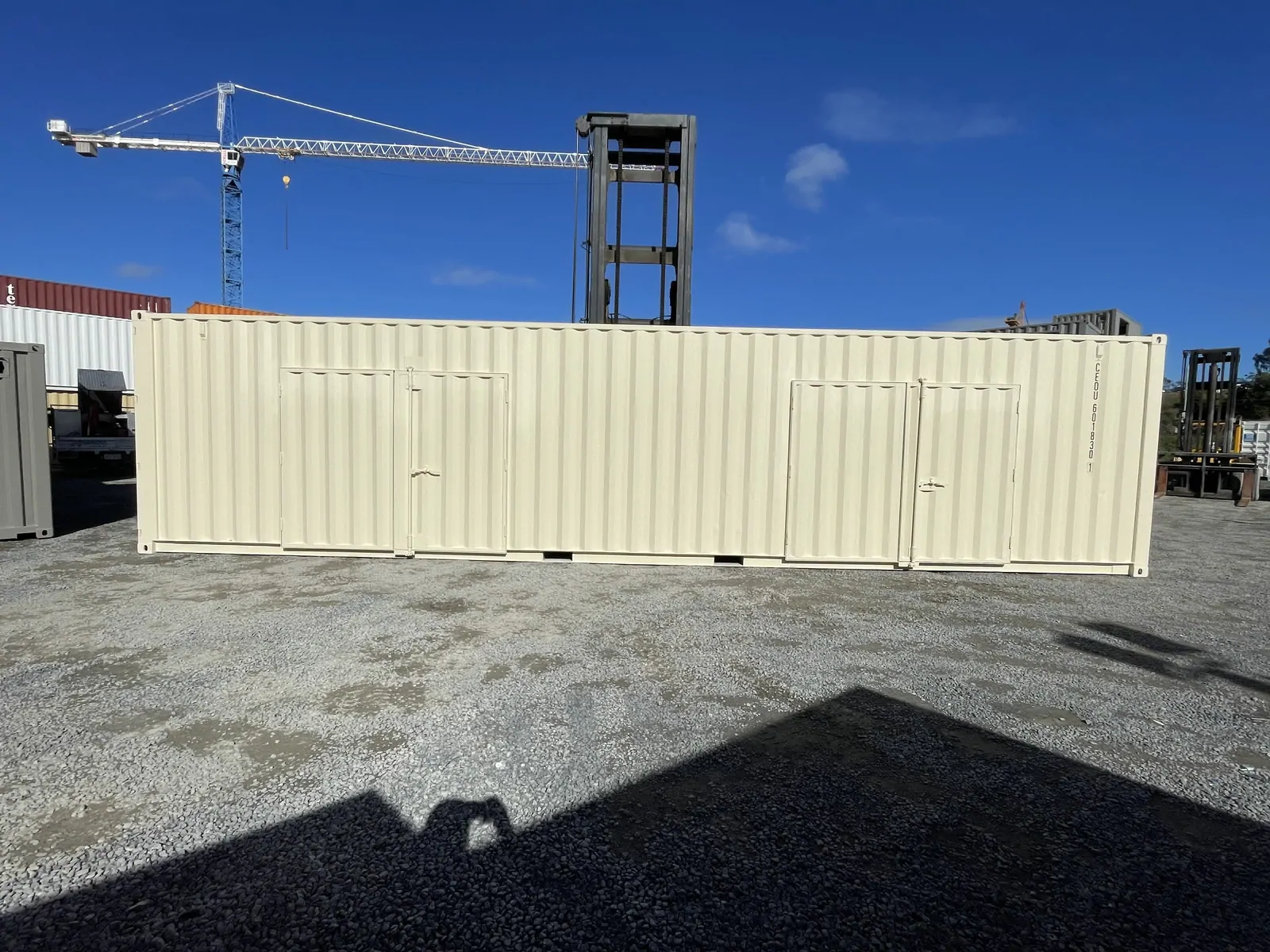
Jimboomba, QLD
Jimboomba is acreage country, and acreage is the friendliest delivery there is right up until it is not. There is space, there is no body corporate and nobody is parking a Corolla where the truck needs to stand. What there is instead is four hundred metres of unsealed driveway, a grid of unknown load rating, and a gate somebody set out for a tractor rather than a rigid truck.
The local picture, briefly.
Around Jimboomba we deliver containers for hay, chaff and feed kept dry and away from vermin, tack and rugs stored properly instead of in a leaking shed, tractors, slashers and side-by-sides locked up out of the weather, fencing gear and star pickets in one place instead of four, building materials and tools for owner-builders working on a block with no shed yet, and a secure store on a new acreage purchase where the house is still two years away.
The cattle grid is the first thing we ask about and the thing most often overlooked. A loaded rigid truck with a container on it is a serious weight concentrated over two axles, and a lot of private grids on rural-residential blocks were built by a previous owner out of whatever rail was available, sized for a ute and a float. There is usually no plate, no rating and nobody who knows. If we cannot establish that a grid will carry the truck, the choices are to use the side gate if there is one, drop at the front and shift the container in with a tractor, or crane it in from a firm stand. All of those work. Driving over a grid and finding out the hard way does not. After that it is the driveway. Four hundred metres of crushed rock or decomposed granite with a crown, table drains either side and a couple of culverts is a comfortable run in the dry. After a wet week the crown greases up, the table drains soften, and a truck that leaves the centre line puts a wheel into a drain and is going nowhere without a tractor. Long driveways also need turning space at the far end that is genuinely truck-sized — a tilt-tray needs room to line up straight before it starts unloading, and reversing four hundred metres out to the road in the dark is nobody's idea of a good afternoon. Then the block itself. Gates that measure narrower than they look. Powerlines running to the house or the pump shed at exactly the wrong height for a lifted bed. Old ironbarks with limbs at four metres. Ground that is hard clay in October and pudding in February. And on horse properties, the simple fact that a truck and a swinging container is not something most horses have seen before.
Grade moves the price more than size does, and it is what decides whether a unit is sold watertight — the full rundown is on the grades page.
The range
Guide prices in AUD, ex GST. Delivery is quoted with the container.
10ftThe side passage is narrow, the council setback leaves you nothing to play with, or all you need is somewhere lockable for a mower, a compressor and a rack of tools.
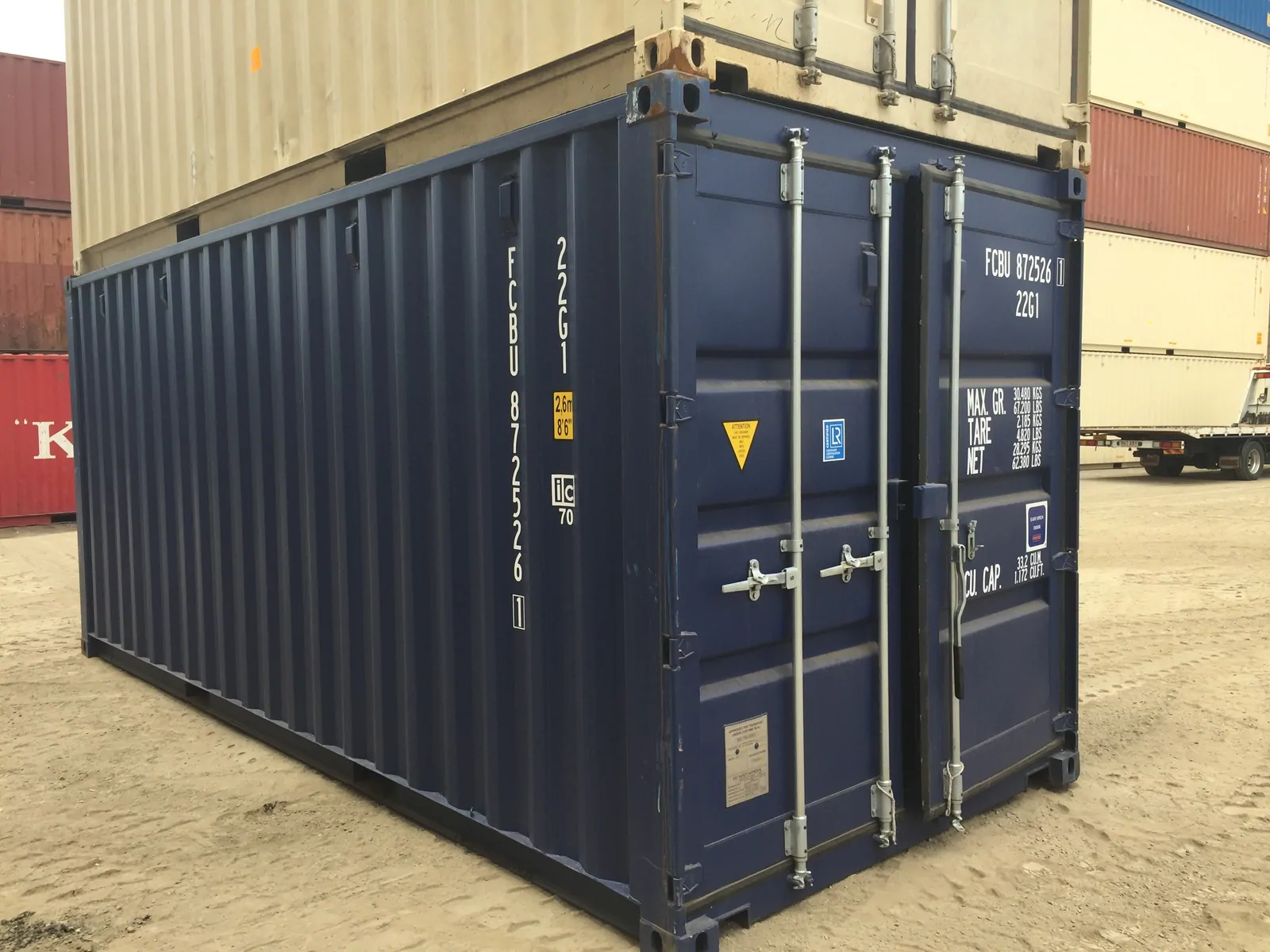 20ft
20ftYou have about seven metres of straight, reasonably level ground to put it on and you would rather not find out in six months that you should have gone bigger.
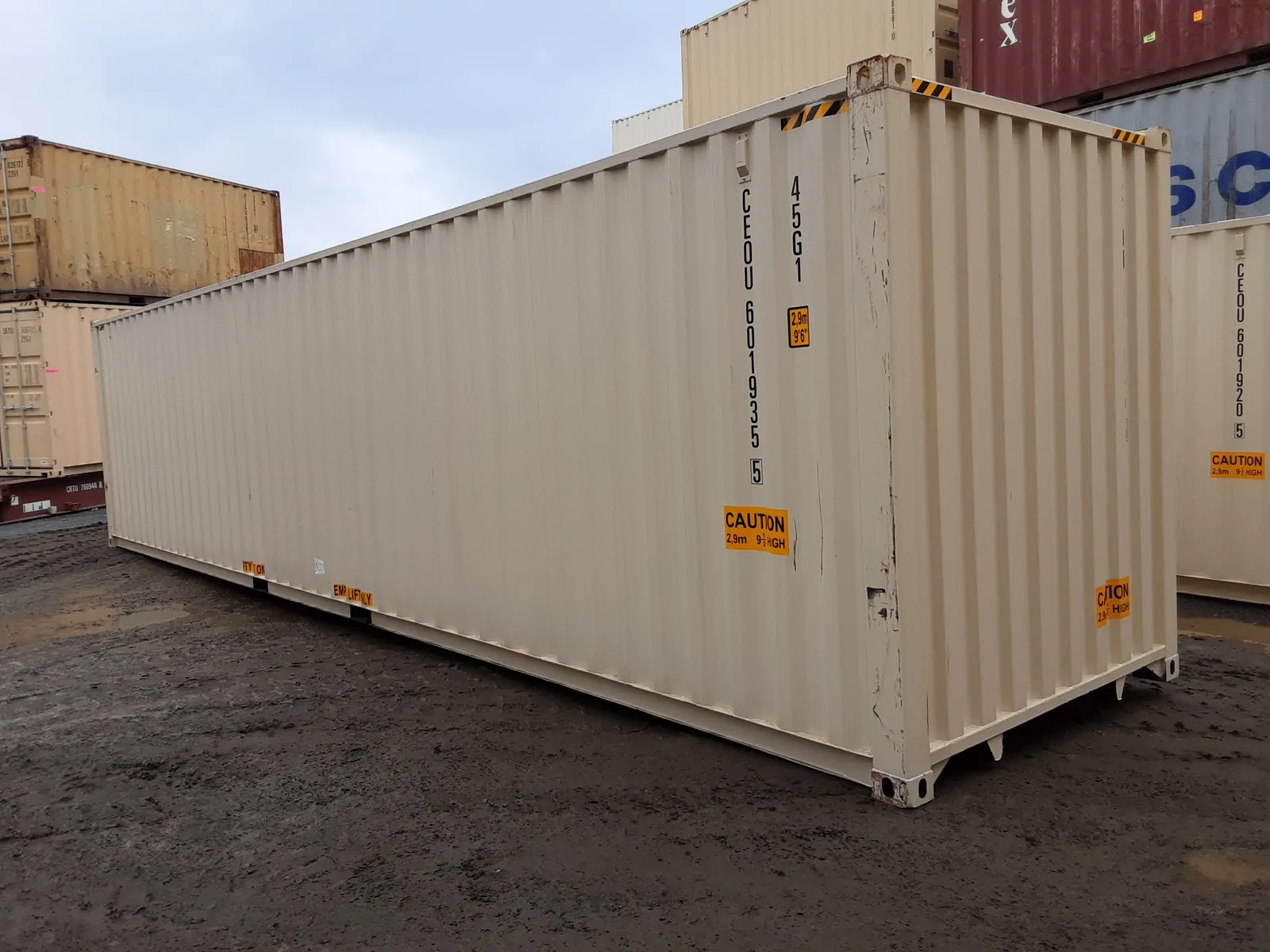 40ft
40ftYou have the room, the access is genuinely open, and you want the most storage per dollar available anywhere.
Jimboomba
Three pieces of infrastructure decide most Jimboomba deliveries, and all three are easy to check before you order. Measure the gate opening at its narrowest point rather than at the posts — a 20ft container on a tilt bed needs meaningful clearance either side, the bed is wider than you think, and a gatepost that has been clipped by a float once already is not going to survive a truck. Walk the driveway and look at the culverts: a pipe under a fill crossing that has been there thirty years, with grass growing out the end of it and a bit of subsidence over the top, is not one anybody wants to test with twenty tonne. And on the grid, if there is any doubt at all about what it will carry, say so at the enquiry rather than at the front gate on the day.
None of that means we cannot deliver. It means we bring the right truck. Where the driveway or the crossings are the issue, a common answer is to set the container down on firm ground near the road and let you shift it in with a tractor and chains at your own pace, or to bring a crane truck that can stand at the front and place it further in than a tilt could. What we want to avoid is a truck committed to a driveway it cannot back out of.
On the ground
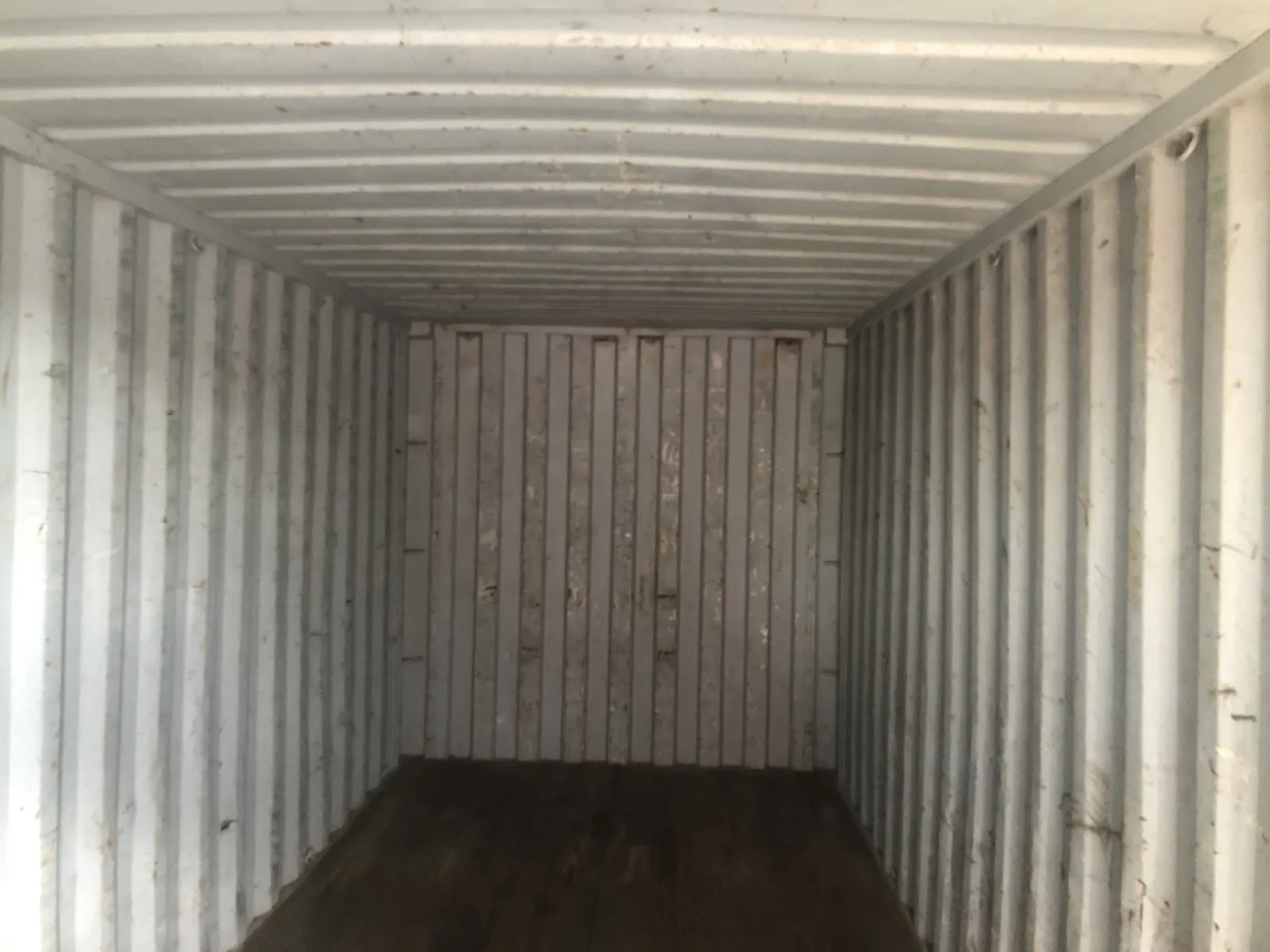
Acreage ground moves. The clay through this district takes up water through a wet summer and shrinks back hard through the dry months, and it does not do it evenly across a paddock. A container placed straight onto soil will follow that movement, one corner at a time, and it will not go back. A container out of square is a container with doors that will not shut, and the doors are the only part of it you interact with, so it turns a good store into a daily annoyance and then into something you have to pay to fix. The frame is built to carry everything through the four corner castings; the moment those four points stop sitting at the same height the box starts fighting itself.
Four hardwood sleepers or concrete pads under the corner castings, dug in level and checked both diagonals, is the whole answer. Get the door end on the high side of any fall so the doors swing with gravity. Keep the grass down around it so air moves and snakes have less reason to be interested, and keep the underside clear of stacked timber and drums so water can get away. Do that on day one and the container will still be sitting square and opening cleanly in fifteen years.
Worth knowing
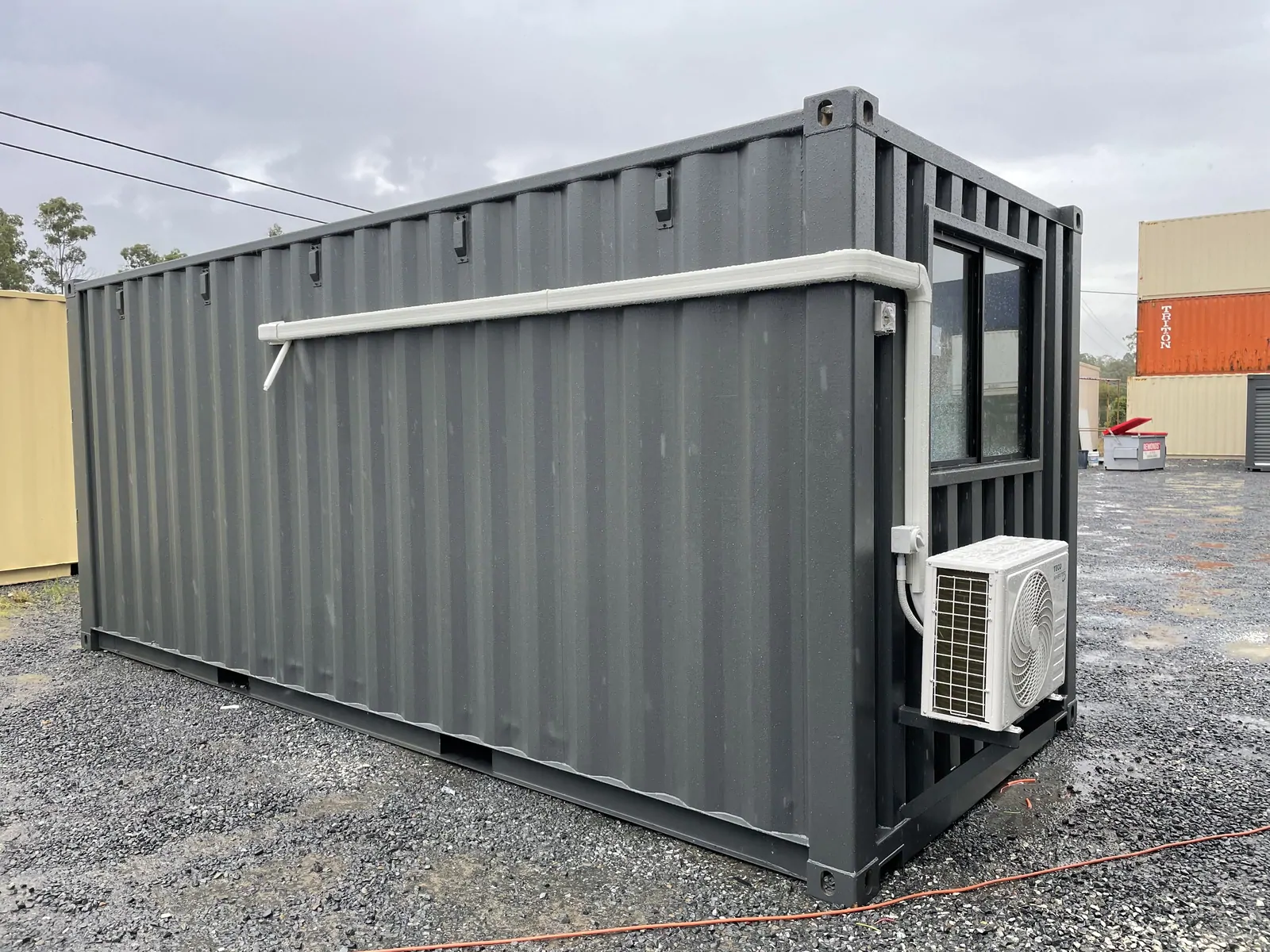
On a horse property the delivery is as much about the animals as the ground. A tilt-tray unloading makes noise — hydraulics, chains, and a steel box sliding off a steel bed. If there are horses in the paddock the truck has to pass or in a yard nearby, move them before we arrive rather than after the truck is committed to a driveway with no turning space. The same goes for dogs, which are usually more interested in the truck than is good for anybody. Tell us at the booking if there are animals to work around, whether the gates need to stay shut behind us, and if there is a preferred approach that avoids the arena or the laneway. It costs nothing to plan for and it makes the difference between a quiet twenty minutes and a bad day.
Cartage is worked out per address rather than off a table. Distance is only part of it — access is usually what moves the figure.
We would rather ask two more questions on the phone than send the wrong container up the road.
We also deliver to Cedar Grove, Munruben, Flagstone, Veresdale, New Beith and the surrounding district. If your town is not on the list, ring — it almost certainly still works.
Common questions
That depends entirely on the grid, and most private grids out here have no rating plate and no known history. A loaded truck with a container on it puts far more weight through the grid than the ute and float it was probably built for. If you know it is engineered and rated, tell us. If you do not, tell us that too — we will look at using a side gate, setting the container down on firm ground near the road for you to shift in with a tractor, or bringing a crane truck instead. All of those beat finding out mid-crossing.
Regularly, and most of them are fine in the dry. The things that stop us are a soft or greasy surface after rain, table drains that a wheel can drop into, culvert crossings of unknown condition, and no truck-sized turning area at the far end. A tilt-tray needs to line up straight to unload and it should not be reversing hundreds of metres back to the road. Send a photo from the gate looking down the drive and one of the spot with its surroundings and we can plan it properly.
Space is rarely the constraint out here, so it comes down to what you are storing. A 20ft handles feed, tack, fencing gear and a workshop bench comfortably and is far easier to get down a driveway and through a gate. A 40ft gives you machinery-length storage and suits a working block with good access from the road. Where the driveway is tight but you need the volume, two 20ft placed with a gap between them and a roof across the middle is a common and very useful setup.
Yes. The yard is at Forest Hill in the Lockyer Valley, off the Warrego between Gatton and Laidley, and the containers stand on hardstand where you can open the doors, look down the floor and check the seals. Ring first so somebody is there and the unit is accessible. If the drive is not worth it for you, ask for photos of the actual unit on request and we will send them before delivery — corners, door end, roof and internal floor.
Get a price
We deliver to Jimboomba and the surrounding district. Tell us what is going in it and what the access is like, and you will get a price with the cartage worked out. Every enquiry answered within one business day.
Or skip the form and ring us — 0477 410 500, Mon–Fri 7:30am–5pm, Sat 8am–12pm